The reporter likes your answer and wants to verify your background. Your company page lists an old job title, the headshot sits in someone else’s account, and the supporting document requires permission to open. A promising conversation has turned into an administrative task.
A HARO media kit brings those details together before a deadline exposes the gaps. Your professional credentials become easier to check, and you spend less time finding the same files. The useful version is built around a reporter’s immediate questions: who you are, what you know, and where the evidence sits. Organizing those answers takes less material than most businesses expect.
Give the Kit a Specific Job
Treat the kit as a reference a journalist can consult after reading your response. It should establish your identity and provide supporting material. Your pitch still needs to answer the request without requiring a visit to another page.
A report shows that 20% of journalists would move on when a pitch lacks enough information to develop the story.
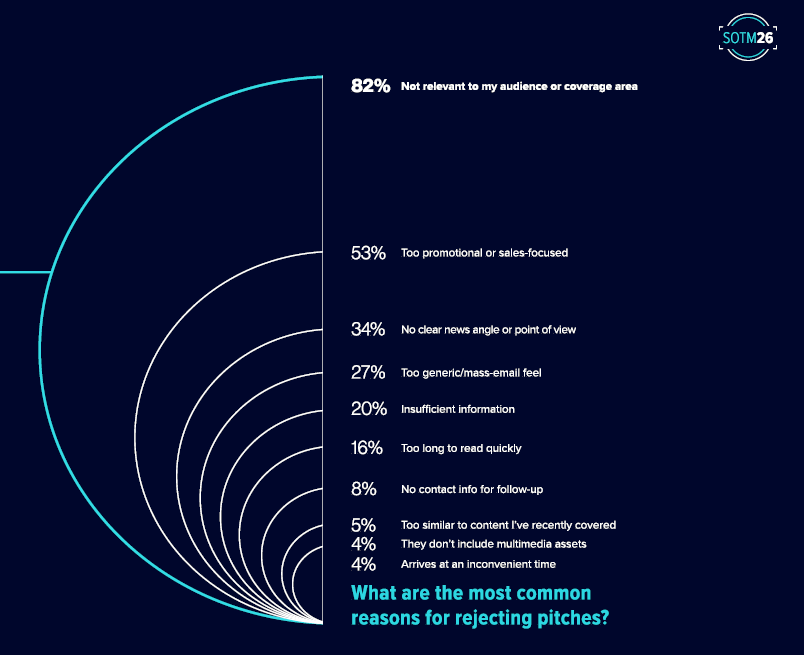
That finding supports keeping essential facts within reach.
Start with a simple public page containing your current biography, subject areas, contact details, and links to relevant files. A complicated folder hierarchy creates extra decisions for the reader. Organize deeper evidence separately, with clear labels explaining what each item contains and when it was last reviewed.
Write a Biography That Establishes Relevant Experience
Your opening biography should explain your current role and the work behind your expertise. A founder title establishes responsibility for a company; it does not explain why you are qualified to discuss every business subject. Name the area where you have direct experience.
For example, a software founder who previously managed customer onboarding has a clear basis for discussing implementation problems. Describe that experience accurately, including whether the work involved small businesses, enterprise clients, or a particular industry. Those boundaries help journalists assess fit.
Keep an expanded biography available for interview preparation. Include a consistent professional name, current company, and links to appropriate public profiles. The same details should appear wherever someone checks your background, so the reporter does not have to reconcile conflicting versions.
Define the Subjects You Can Discuss
Create a short section describing your areas of experience through questions you can answer. “Customer onboarding” is a starting point; “why handovers between sales and implementation fail” explains the contribution more clearly. Your topic list should make selection easier.
Consult your existing work before filling this section. Choose subjects supported by projects, responsibilities, or research you understand closely. Your subject focus should remain recognizable even when different publications ask different questions.
A HARO media kit also benefits from sensible boundaries. State where your experience ends when a subject could imply qualifications you do not hold. You do not need an exhaustive disclaimer; a precise description of your work usually removes the ambiguity. Review these subjects when your responsibilities change.
Attach Evidence to the Claims That Need It
Create a supporting entry for each experience or finding you regularly mention. Record what happened, your involvement, the relevant period, and where verification is available. Separate public evidence from internal material that requires permission before sharing.
If you discuss a process improvement, retain the document explaining how it was assessed. If you cite a published study, link to its original source and identify the finding you use. A copied chart without its context creates another verification problem.
Avoid presenting a client result as a general industry outcome. Explain the setting and its limitations. Your HARO media kit should make the claim easier to inspect, including when the evidence supports only a narrow conclusion. Remove sensitive details from the public version and offer further context only when you are authorized to provide it.
Make Images and Attribution Easy to Handle
Provide a current headshot with a descriptive filename and a clear identification of the person pictured. Include the photographer credit and any relevant usage permission. A journalist should be able to distinguish the approved image from an old event photograph without asking.
Keep your company name, professional title, and preferred spelling beside the download. Add a short factual company description that identifies what the business does. Avoid turning this section into promotional copy filled with unsubstantiated claims about market leadership.
Your published contributions can also help a reporter understand how you explain a subject. Link to selected examples and describe your role accurately. Being quoted in an article does not mean the publication endorses your business, and the kit should not imply otherwise.
Test Access Before Sharing the Link
Open the page and every download in a signed-out browser. Check that nothing requests access, opens the wrong version, or depends on your company account. Repeat the check on a phone, where filenames and download buttons often become harder to read.
Give the HARO media kit a stable address on your website. A straightforward page is usually easier to update than a presentation attachment that circulates indefinitely. If you also provide a downloadable version, display its review date and keep it aligned with the live page.
Assign an owner to maintain the material. Role changes, expired contact details, and superseded research deserve immediate attention. A regular review also catches smaller inconsistencies before they reach a reporter. Useful preparation loses its value when nobody is responsible for keeping it current.
Prepare Once, Then Keep the Details Dependable
A HARO media kit earns its place by reducing avoidable questions around a useful answer. Start with the material you already have, verify each claim, and publish a clear route to the evidence. Expand it when a real reporting need justifies the addition.
That preparation supports the reporter relationships your contributions create. You remain easier to identify, contact, and quote accurately across future stories.
Frequently Asked Questions
1. Do You Need a Designer to Create the Kit?
No. A readable webpage with clearly labeled downloads is enough to begin. Spend your effort on accurate information and reliable access before adding visual elements that do little to help a journalist verify your background.
2. Should You Attach the Whole Kit to Every Pitch?
Follow the reporter’s instructions. Usually, the response itself should contain the answer and essential identification, with an optional link to supporting material. Do not make the journalist download a large package to understand your point.
3. Can Several Experts Share the Same Page?
Yes, provided each person has a clearly separated biography, topic list, and supporting evidence. Give reporters a direct route to the relevant expert instead of making them search a long company directory for the right person.
4. Should Client Names Appear in the Kit?
Include them only when you have permission and the reference adds relevant evidence. An approved anonymized example is preferable to exposing confidential information. Keep the public explanation accurate about what you can substantiate.
5. Does Having a Media Kit Guarantee Coverage?
No. It supports verification and preparation, while the journalist decides whether your contribution fits the story. Keep improving the quality of your answers alongside the material that helps a reporter check them.