


.png)
Getting featured in WIRED is different from getting featured on most other websites. They don’t publish promotional stories. They don’t write about companies just because they exist. Their articles focus on ideas, trends, risks, and changes happening in technology, AI, cybersecurity, and digital culture. That’s why their coverage carries weight. When WIRED quotes someone, it builds instant credibility.
The challenge is, you cannot simply email them and ask to be featured. Most founders and experts never hear back. Because journalists are looking for clear, useful insight.
HARO gives you a way in. It connects you with journalists who are already looking for expert input for their stories.
In this guide, you’ll learn how to get featured in WIRED using HARO.
Step 1: Understand What WIRED Actually Publishes
Before you respond to HARO queries, it’s important to understand how WIRED works.
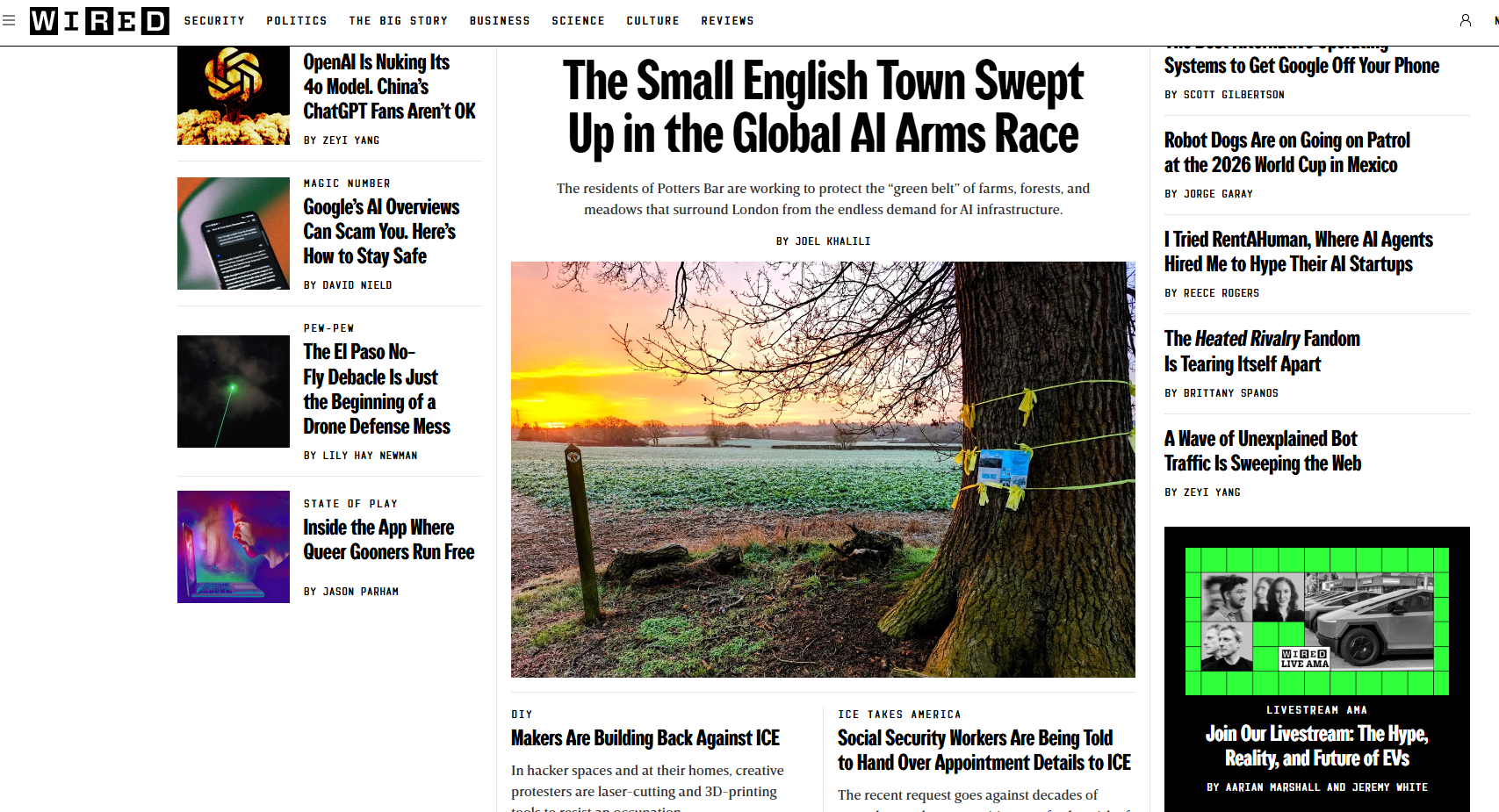
WIRED is not a general business or startup publication. Their stories focus on technology, AI, cybersecurity, privacy, science, and how these changes affect people and industries. They often cover trends, risks, and real-world impact.
Most of their articles include expert commentary. Journalists speak with founders, engineers, researchers, and industry professionals who can explain what is happening behind the scenes. They are not looking for someone to promote a tool. They are looking for someone who understands the topic and can explain it clearly.
This means your goal is not to sell anything. Your goal is to add useful perspective. For example, if a journalist is writing about AI replacing certain jobs, they want insight from someone who has actually seen this happening. Real observations and practical explanations are far more valuable than general opinions.
The more you understand the type of stories WIRED publishes, the easier it becomes to recognize which HARO queries are relevant to you and worth responding to.
Step 2: Choose HARO Queries That Match WIRED’s Coverage
Not every HARO query is worth replying to. One of the biggest mistakes people make is responding to everything. WIRED journalists usually ask about specific topics related to technology, cybersecurity, AI, digital privacy, startups, and emerging trends.
When reading HARO queries, look for topics that WIRED commonly covers. For example, queries about AI risks, software development trends, cybersecurity threats, or changes in how technology affects businesses are strong signals. These topics align closely with their editorial focus.
It’s also important to look at how the question is written. WIRED journalists often ask thoughtful, specific questions. They are usually trying to understand a trend, explain a problem, or gather expert insight. Queries that ask for expert opinion, technical explanation, or industry perspective are much more valuable than generic questions.
Instead of sending twenty weak replies, focus on sending a few strong ones. When your expertise matches the topic closely, your response becomes more useful. Journalists can easily tell when someone truly understands the subject versus someone giving general answers.
Step 3: Share Insight, Not Promotion
When responding to HARO, your answer should feel like expert insight, not a pitch. Journalists are not looking for advertisements. They are looking for clear explanations and useful perspective that help them write their story.
The strongest responses are based on real experience. For example, instead of saying your company offers AI solutions, explain what changes you have seen in how companies use AI. Share patterns, challenges, or unexpected outcomes. This makes your response more valuable because it adds depth to the story.
Keep your explanation simple and direct. Avoid buzzwords and marketing language. Write like you are explaining the topic to someone in a normal conversation. Journalists often copy quotes directly, so clarity matters.
When your response helps the journalist understand something better, you become a useful source. Over time, this increases your chances of getting quoted again, not just once, but across future stories as well.
Step 4: Write Responses Journalists Can Use Without Editing
Journalists work under tight deadlines. They prefer responses they can quickly read, understand, and use in their article without needing to rewrite everything. This is why clarity and structure matter a lot when replying to HARO queries.
Start with a direct answer to the question. Do not begin with your introduction or background. Focus on giving insight first. For example, explain what is happening, why it is happening, and what it means. Keep your sentences simple and avoid trying to sound overly technical or impressive.
Strong responses often include specific observations. For example, you can explain patterns you have noticed, common mistakes companies are making, or changes happening in your industry. This makes your answer feel real and useful.
At the end of your response, include your name, role, and company in one short line. This gives the journalist context about who you are. The easier you make their job, the more likely they are to use your quote.
Step 5: Respond Early Before Journalists Finalize Their Sources
Timing plays a bigger role than most people realize. Journalists often receive dozens or even hundreds of HARO responses. Many of them review replies in the order they arrive. Once they find enough good sources, they stop looking for more.
This means early responses have a clear advantage. If you reply within the first few hours, your chances of being seen are much higher. Waiting until the deadline often reduces your chances, even if your answer is strong.
This is why consistency matters. Check HARO regularly and respond when you see a query that fits your expertise. Over time, this increases your chances of getting noticed.
Journalists also remember reliable sources. When you consistently provide useful insight, they may reach out to you directly in the future without using HARO again.
Step 6: Focus on Consistency, Not One-Time Success
Getting featured in WIRED rarely happens from a single HARO response. Most successful placements come after multiple attempts. This is normal because journalists are selective and only use sources that fit their story perfectly.
Many people give up too early. They send a few replies, do not get featured, and stop trying. But HARO works best when used consistently over time. Each good response increases your chances of getting noticed.
Even if your first few responses are not used, journalists may still remember your name. When they see your replies again, your credibility grows. Over time, this builds familiarity and trust.
Wrapping Up
Getting featured in WIRED takes the right approach and consistency. HARO gives you access to journalists who are already looking for expert input. The key is to share clear, useful insight based on real experience. Journalists use responses that help them explain their story better.
Results do not always come immediately. But when you respond to the right queries and stay consistent, your chances improve. Journalists remember people who provide helpful answers.
A WIRED feature builds strong credibility. It shows your expertise to a large audience. Many experts get featured simply by sharing useful insight at the right time.
FAQs
1. How quickly should I respond to a WIRED HARO query?
Ideally, respond within the first hour of receiving the query. WIRED reporters often fill spots quickly, so early, clear responses get the most attention.
2. Do I need data or personal experience to get featured?
Yes. WIRED values unique insights backed by experience, statistics, or specific examples that journalists can quote directly.
3. Can small companies or startups get featured in WIRED?
Absolutely. What matters most is the value of your insight, not the size of your company. A well-crafted pitch with expertise can stand out.
4. Should I follow up if I don’t hear back?
No. Following up is discouraged. If the journalist is interested, they will contact you. Repeated emails can hurt your chances.
5. Are there alternatives to HARO for reaching WIRED journalists?
Yes. Platforms like Connectively, Qwoted, and Featured offer similar media opportunities and can help expand your chances of top-tier coverage.


.png)

