.png)
Every reporter has a private list. Not a spreadsheet from some database, but a personal collection of people they trust, saved in their contacts, their notes app, or just their memory. When a story needs an expert, they go to the list first, and the query you're competing on only gets posted when the list comes up empty.
That's the part most people pitching never realize. The public query is round two. Round one already happened, inside a list you're not on yet. So let's talk about how those lists actually get built, because every step of it is something you can influence.
A Great First Answer.
Almost everyone on a reporter's list got there the same way. They answered a public query well, once. The answer was fast, specific, exactly on topic, and easy to quote. The reporter used it, the story went fine, and a small mental note got made. This person delivers.
That means every pitch you send is really an audition for the list, not just for one placement. A response with a real number and a clean quotable paragraph does double duty. It might win today's story, and it definitely shapes how you're remembered if it does.
The Follow-Up Window.
The list decision often gets made after the first quote, in a window most sources waste. A reporter emails a follow-up question. The source who replies in twenty minutes with a clear answer just proved they're reliable under deadline. The source who replies two days later proved the opposite, politely.
Reporters remember response speed more than almost anything else, because their whole job runs on clocks. Answer follow-ups fast, keep the answers tight, and never make them chase you for a headshot or a title spelling. Three smooth interactions and you've moved from “source I used once” to “person I can count on,” which is the actual entrance to the list. I've seen sources with average expertise beat brilliant ones purely on this, because on deadline, reliable beats impressive.
What Keeps Someone on the List
Getting on is one thing. Staying on has its own rules, and reporters drop people who break them without ever announcing it.
Stay inside your lane. The list entry next to your name says something specific, like “payroll expert” or “e-commerce logistics.” Reporters call you for that. Sources who start stretching into every topic dilute their own entry until it gets deleted. Depth is what you're on the list for, so keep proving it.
Never go promotional. The fastest way off any list is turning an expert relationship into a sales channel. One pushy “could you also mention our new product” can undo a year of trust, because it changes what you are to them. The mention and the link come naturally with the quote. That has to stay enough.
And stay reachable. Same email, same name, same title everywhere, with an online presence that confirms you're real and current. Reporters re-check sources before big stories, and a dead LinkedIn or a changed job title they didn't know about creates exactly the risk the list exists to avoid.
The Multiplier Nobody Talks About
Lists spread. Reporters change outlets and take their contacts with them. They recommend sources to colleagues on other beats. Editors ask “who did we use for that piece last spring” and your name travels rooms you've never been in. One list spot becomes three without you sending a single extra email, and you usually find out when a stranger's interview request lands in your inbox.
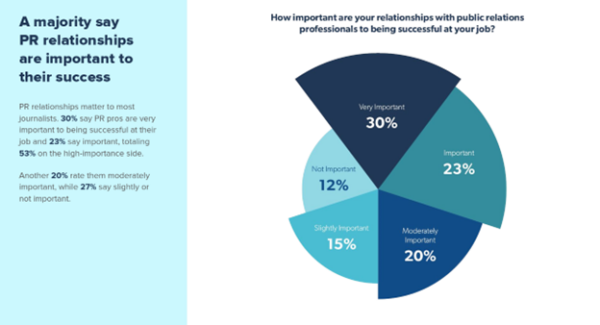
Muck Rack's data shows why this network effect is so strong. 70% of journalists say PR professionals and sources are at least somewhat important to their work.
Source: PR Daily
They want good sources, they talk to each other, and a proven name is a gift they happily pass around. It also works in reverse, which is worth saying plainly. Burn one reporter and the story of it travels the same roads.
How to Speed the Whole Thing Up
You can't force your way onto a list, but you can shorten the road. Concentrate your pitching in one narrow lane so the same beat reporters see your name repeatedly. Familiarity plus quality is the recipe, and scattered pitching gives you neither.
After a placement publishes, send one short thank-you and share the piece where your audience can see it. No ask attached. Reporters notice sources who promote the work, because it helps their numbers too. Then, occasionally, send something useful with no pitch at all. A relevant stat, a heads-up on an industry change, two lines long. Useful-with-no-ask is the rarest email in their inbox, and it's remembered.
Do this consistently and the direct emails start, usually within a few months. “Writing about X again, can I get your quick take?” That message means you've arrived, because there's no query, no competition, and no pile.
Final Thoughts
The go-to source list is the hidden economy of expert coverage. Public queries are what's left over after the lists have been consulted, which means the biggest prize in this whole game isn't any single placement. It's becoming round one.
And the way in has no secret to it. Answer queries in your lane with real substance, be lightning fast when they follow up, never sell inside the relationship, and stay findable. Do that for a season and reporters start doing your outreach for you, one saved contact at a time. The list is being written every week either way. You might as well be on it.
FAQs
1. How long does it take to get on a reporter's source list?
Usually two to four strong interactions with the same reporter. One great answer gets you noticed, fast follow-up responses build the trust, and a smooth second placement usually seals it. In a focused lane, that can happen within a few months of consistent pitching.
2. Should I email reporters directly instead of using queries?
Earn the direct line first. Cold emails from unknown sources mostly get ignored, while a reporter who has already quoted you welcomes a relevant note. Use public queries to create the first interaction, then let the relationship justify direct contact. Sequence matters.
3. What should I send a reporter between stories?
Occasionally, something useful with no ask attached. A fresh stat in their beat, a heads-up on a change in your industry, or a short congratulations on a strong piece. Two or three lines, a few times a year. Anything more frequent starts feeling like pressure.
4. Do reporters share sources with other journalists?
Yes, constantly. They recommend trusted sources to colleagues, carry contact lists between jobs, and answer newsroom questions about who to call. One solid relationship often produces coverage from reporters you've never pitched, which is why treating every interaction well compounds so strongly.
5. Can being on source lists replace regular pitching?
Eventually it reduces it a lot, but don't stop early. Direct requests grow slowly and unevenly, so keep answering public queries in your lane while the lists build. Most established sources run both at once, and the pitching keeps feeding new reporters into the pipeline.