.png)
A journalist gets a pitch from a “finance expert with 15 years of experience.” Thirty seconds later, they know the person has never worked in finance. No background check, no phone call. Just a few tells that experienced reporters read the way you read a stop sign.
Fake experts flooded these platforms over the past few years, some running pure link schemes, some just stretching thin credentials into full costumes. Journalists got burned, sometimes publicly, so they built fast filters. Knowing those filters matters even if you're completely legitimate, because real experts fail them all the time by accident.
The Google Test
The first thing many journalists do with an interesting pitch is search the sender's name. It takes fifteen seconds, and it ends most fake-expert stories immediately. No LinkedIn, no company page listing them, no trace of the claimed career. Or worse, a trail that contradicts the pitch, like a “veteran cybersecurity researcher” whose only footprint is three months of marketing posts.
Real experts sometimes fail this check too, and it costs them placements they deserved. If your online presence doesn't confirm your pitch, the journalist can't take the risk, no matter how good your answer was. Same name, same title, same claims everywhere, with a LinkedIn that actually reflects your work. That's the whole fix, and it's worth an afternoon.
The Specificity Sniff
Fake expertise talks in generalities, because generalities are all it has. “Communication is key.” “It's important to plan ahead.” “Quality matters more than quantity.” A reporter reads three lines like that and knows there's no practice behind the theory, because people who do the work can't help being specific about it. Ask a real chef about knives and you'll get opinions, brand names, and a scar story. Ask a fake one and you'll hear that sharp knives are important.
Real experience leaks details. Numbers, tools, timeframes, things that went wrong. “We switched payroll providers mid-year and the tax filing handoff cost us six weeks” cannot be faked by someone who hasn't lived it, and journalists know that. This is the deepest filter of all, because it's checking the texture of your knowledge, not your claims about it. It's also the filter that decides who earns the links.
The Lane Check
Journalists on a beat see the same names repeatedly, and they notice when one name claims a different expertise every week. Monday's “HR expert” becomes Wednesday's “crypto analyst” and Friday's “nutrition specialist.” Platforms show reporters little of your pitch history, but reporters talk, and beat communities are smaller than they look.
The lane check is also why scattered pitching poisons your results even when nobody says anything. Every off-lane pitch is evidence against your on-lane ones. Pick the expertise you can defend under any follow-up question and stay inside it.
The Follow-Up Trap
When a reporter is half-convinced, they ask a follow-up question. It looks casual. It's a trap, in the most professional sense, because a real expert answers easily and a fake one stalls, generalizes, or disappears. “Interesting point about inventory buffers, what buffer size did you actually run?” has ended a thousand fake-expert conversations.
If you're real, follow-ups are your best friend, and speed doubles their value. A clear, specific answer within the hour converts a maybe into a quote more reliably than anything in your original pitch. Slow, vague follow-up answers do the opposite, even from genuine experts, because from the reporter's chair, vague and fake look identical.
The Personalization Tell
Mass-produced fakery has a signature. The pitch could have been sent to any query on any topic, because it basically was. Even 82% of journalists reject pitches because they aren't relevant to their audience or coverage area, while 27% say a generic, mass-email feel is a reason for rejection.
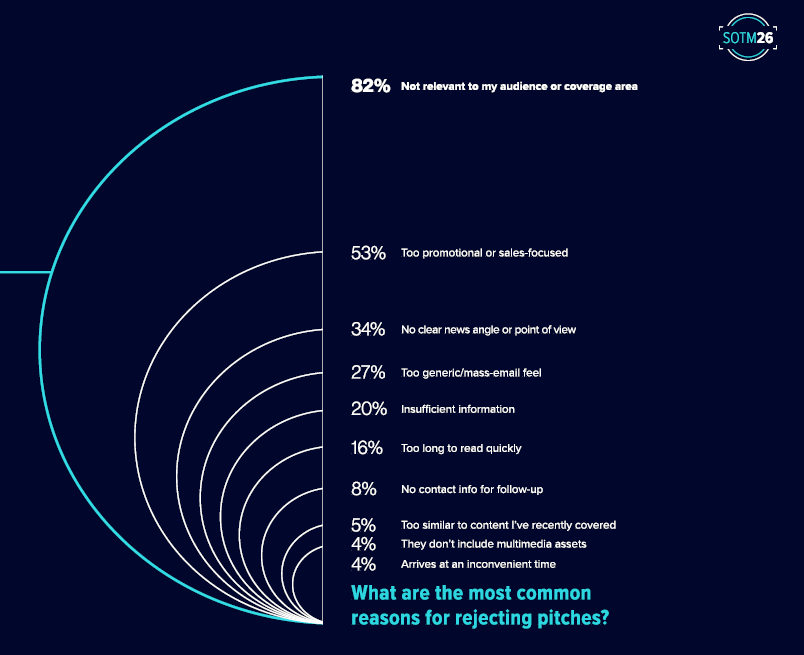
That’s exactly what fake experts tend to produce. When someone is running the same persona across dozens of queries a day, there’s little time to actually read or understand the question. The result is usually a pitch that feels promotional, generic, or disconnected from the journalist’s needs. 53% of journalists cite overly promotional or sales-focused pitches as a reason for rejection.
A genuinely tailored response signals a real person who cared about this specific question. Reference the exact question asked. Answer it and nothing else. That alone helps separate you from most of the pile.
How Real Experts Accidentally Look Fake
This is the part worth reading twice, because the filters catch innocent people daily. A real consultant with a thin LinkedIn looks fake. A real practitioner who writes in polished generalities, trying to sound professional, looks fake. A genuine expert who answers follow-ups two days later looks fake. The filters can't see your actual experience. They can only see the signals, and signals can be accidentally wrong.
So audit yourself the way a reporter would. Search your own name and see what a stranger finds. Reread your last three pitches and count the specifics. Check how fast you answered your last follow-up. Fixing those three things does more for your placement rate than any template, and if you'd rather have professionals manage the whole credibility layer while you supply the actual expertise.
Final Words
Journalists spot fake experts through five fast checks. A name search, a specificity read, a lane check, a follow-up question, and a personalization scan. None of them takes more than a minute, and together they've made these platforms hostile territory for pretenders, which is genuinely good news for everyone real.
Because the flip side is better. The same filters that delete fakes fast-track the authentic. A findable name, detailed answers, one defensible lane, quick follow-ups, and tailored responses don't just avoid suspicion. They actively win placements, since reporters are hunting for exactly those signals in every pile. You don't have to beat the filters. You just have to be visible as what you already are.
FAQs
1. Do journalists really check every source they quote?
For anything beyond a light roundup, usually yes. A quick name search, a LinkedIn look, and often a follow-up question are standard before quoting someone new. Higher-stakes stories get deeper checks. Assume you'll be searched, and make sure what they find confirms what you claimed.
2. I'm a real expert with a small online presence. What should I fix first?
Your LinkedIn, in one afternoon. Current title, real work history, a clear line about your specific expertise, and a photo. Then make sure your pitches use the exact same name and title. You don't need a big following. You need consistency a stranger can verify in a minute.
3. Can I pitch outside my main expertise sometimes?
Only where your real experience genuinely touches the topic, and say so honestly. A payroll expert can answer a small business cash flow question through a payroll angle. Claiming standalone expertise in a second field you can't defend under follow-up questions damages your credibility in both.
4. Why did a journalist ask me a follow-up instead of just quoting me?
It's usually a good sign. Follow-ups mean your answer interested them and they're verifying before committing. Answer quickly and specifically, since the speed and texture of your reply is the actual test. Many placements are won in the follow-up, not the original pitch.
5. Do verification systems on newer platforms make pitching harder?
Slightly slower to start, dramatically better after. Verification thins out the fake competition, which means journalists actually read the responses that arrive. For real experts, verified platforms typically produce higher win rates per pitch, because you're finally competing on substance instead of volume.


.png)