
Your name appears in a publication your customers read. Beside it sits a useful observation, the kind you could only make after doing the work. A reader pauses, recognizes a problem, and remembers who explained it clearly. Your backlink report has no column for that moment.
HARO creates opportunities for those introductions, provided your credentials and your answers hold up. The link matters, but so does the impression attached to your name.
Choosing where you appear, what you contribute, and how you use the coverage afterward determines whether that brief introduction develops into something your business can build on.
How HARO Turns Your Experience Into Earned Media
HARO connects journalists seeking sources with people who have relevant expertise. You respond to a request, explain why you have something useful to contribute, and provide an answer. The journalist decides whether your contribution belongs in the story and how to present it.
That editorial decision is the foundation of earned media. You supply knowledge; the publication retains control. Hiring an agency to find suitable requests and prepare responses pays for that work. It does not purchase the journalist’s approval or guarantee a published quote.
Brand authority grows when people encounter convincing evidence that you understand your subject. A published explanation gives them something concrete to assess beyond the claims on your homepage. Your contribution still needs substance: appearing beside a recognizable publication name cannot rescue an empty answer.
Why the Right Publication Helps Buyers Take You Seriously
A familiar outlet provides context for an unfamiliar name. Readers have arrived to understand a subject, and your contribution helps them do that. You get an introduction while their attention is already on a problem connected to your expertise.
Consider a warehouse consultant quoted about inventory mistakes. A retail operations manager reading that story has a reason to notice the consultant’s explanation. A mention in an unrelated lifestyle feature offers a different audience and far less context for the consultant’s work.
Your publication choice should reflect who you want to reach. Read recent stories, examine the questions they answer, and assess whether your customers would find them useful. A specialist outlet deserves consideration alongside household names.
Give Readers an Explanation Worth Remembering
Generic advice gives readers little reason to remember its source. “Businesses should improve customer service” leaves all the useful questions unanswered.
- Where does service break down?
- What should someone check?
- Which mistake keeps recurring?
A stronger contribution identifies a specific problem and explains the judgment behind your response. For a question about customer onboarding, you could describe how conflicting instructions between sales and support confuse new customers. Explain how to spot that handover problem and what you would examine first. Use details from your own experience and respect client confidentiality.
Relevance also matters before your words reach readers. Cision reports that 82% of journalists consider relevance essential before considering a story.
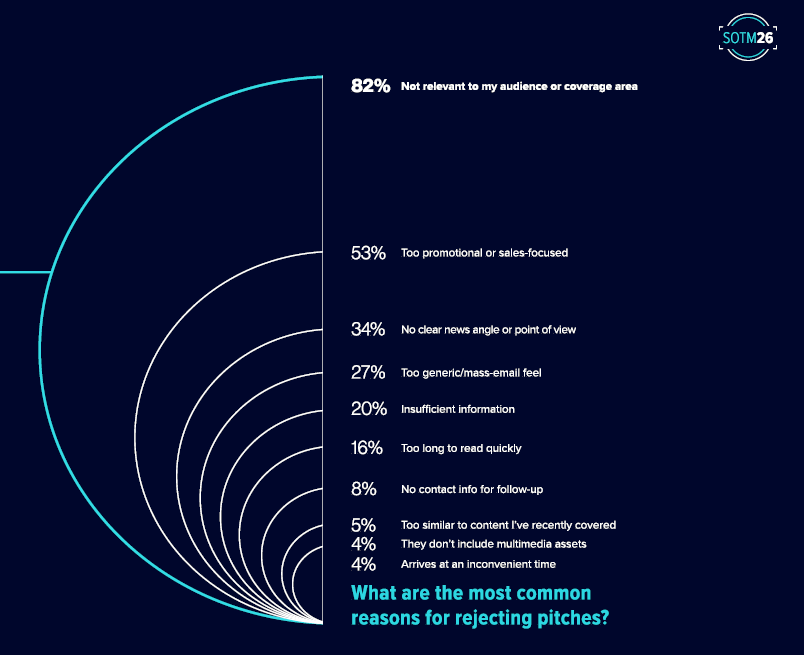
That finding concerns pitching generally, but it gives you a useful filter for HARO responses: answer the question the reporter actually needs help with.
Make It Easy for Reporters to Return to You
A published quote creates a starting point for a professional relationship. What happens around that quote matters too: whether you answer a clarification, provide supporting material, and flag anything you cannot confidently verify.
Reporters need sources they can work with under deadline. Keep your biography current, make your role easy to confirm, and respond within the timeframe requested. If a question falls outside your experience, say so. An honest boundary protects the credibility of the answers you do provide.
You give yourself a stronger chance of receiving repeat requests when each interaction is useful and straightforward. After publication, a brief thank-you is appropriate. Repeated requests to add promotional language make the relationship harder to maintain.
Future coverage remains an editorial choice, but a returning reporter offers a meaningful sign of progress. Someone who has already worked with you has decided your knowledge deserves another conversation. Record that alongside the placement itself.
Let Published Coverage Support Your Sales Conversations
Coverage has another job after publication: helping prospective customers evaluate you. A buyer comparing providers often wants evidence that your team understands the problem behind the purchase. A relevant media contribution gives you a concrete example to share.
Suppose a prospect asks about a difficult onboarding process. If you have been quoted explaining that exact issue, include the article in your follow-up and explain its relevance to their question. Keep the customer’s concern at the center of the message. Sending every press mention you have collected adds reading without necessarily adding value.
On your website, create a simple press section that names the outlet, links to the original story, and explains your contribution. A clear description such as “Commentary on warehouse staffing” tells visitors what they will find. Avoid suggesting an endorsement the publisher never gave.
Used thoughtfully, earned coverage gives brand authority a practical role in the buying process. Prospects can inspect your reasoning before deciding whether to speak with you.
Measure the Response Beyond the Backlink
A backlink report answers a narrow question about the links you earned. To understand whether coverage is helping your reputation, record the subject of each contribution, its audience, and what happens afterward.
Track referral visits and inquiries where attribution is available. Ask new prospects how they heard about you, and note when someone mentions a particular article during a call. Monitor branded searches for context, while recognizing that advertising, referrals, events, and other activity also influence those searches.
Include reporter follow-ups, interview invitations, and relevant partnership inquiries in your review. These outcomes deserve attention even when a placement sends little measurable traffic. Equally, a recognizable publication name alone does not prove the campaign has helped your business.
Look for a pattern that connects coverage to the people you want to reach. Brand authority has no single definitive score. Your evidence becomes stronger when relevant mentions are accompanied by identifiable audience responses and worthwhile conversations.
The Bottone Line
The strongest reason to use HARO is the opportunity to put your knowledge in front of people who need it. Choose a clear specialty, contribute explanations you can defend, and treat every reporter interaction with care. Each useful appearance adds another example of your expertise for prospective customers to examine.
Building brand authority takes follow-through after the quote goes live. Share coverage where it answers a real question, notice the conversations it creates, and refine your approach.
FAQs
1. Does a HARO Mention Have Value Without a Backlink?
Yes. A named contribution still introduces your expertise to readers and gives you published material to reference in relevant conversations. Its value depends on the audience, the substance of your quote, and how clearly you are identified.
2. Is HARO Coverage the Same as Paid Media?
No. Earned coverage depends on an independent editorial decision to use your contribution. Paying an agency to manage outreach covers its services; paying a publisher for placement is a different arrangement and should be described accurately.
3. Do You Need a Well-Known Brand to Get Quoted?
You need expertise that fits the request and credentials the journalist can verify. A smaller business with relevant firsthand experience has something useful to offer, although selection depends on the story’s requirements and the other responses received.
4. How Long Does It Take to See Results From HARO?
There is no dependable universal timeline. Deadlines, publication schedules, query availability, and the quality of your responses all affect progress. Track early signs such as substantive replies and published contributions before expecting a measurable effect on inquiries.
5. Should Every HARO Response Mention Your Product?
No. Include your name, role, and company for identification, then concentrate on answering the question. Discuss your product when the request makes that relevant, and disclose your connection so the journalist can assess your contribution fairly.