


.png)
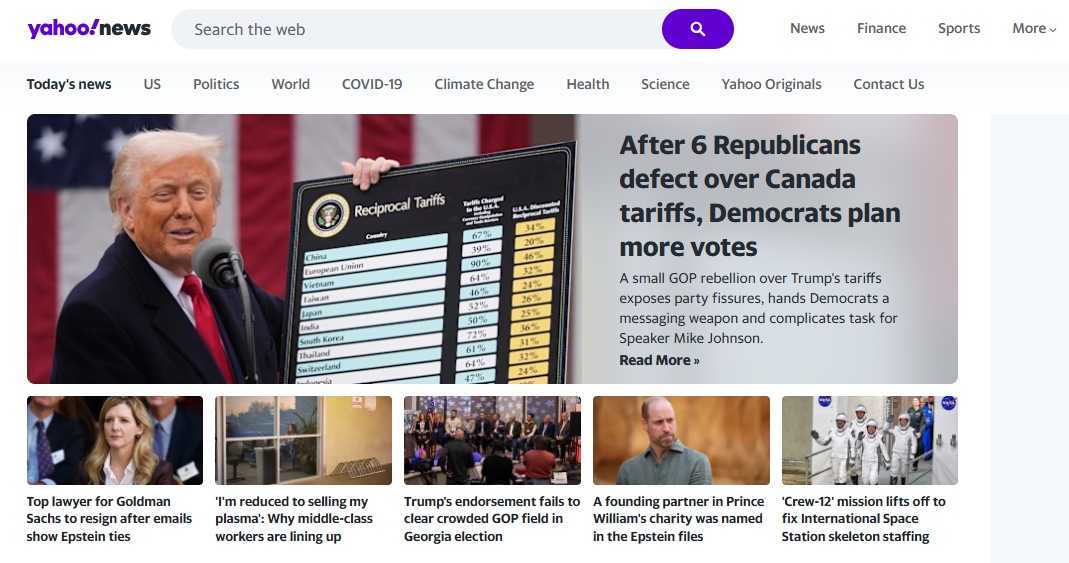
A quote in Yahoo News can do a lot for your credibility. It adds instant trust, strong media proof, and visibility you can reuse across your website and client conversations. Many people assume these mentions only go to big brands or well-known names, but a large number of sources are picked simply because they gave a clear, useful answer when a reporter asked.
HARO makes that possible by sending out real journalist questions every day. Reporters need short, practical input from people with direct experience. When your reply is specific and easy to use, you have a real chance.
This guide covers how to respond the right way and improve your odds of being selected.
Step 1: Set Up HARO for News-Level Opportunities the Right Way
If you want media mentions from outlets like Yahoo News, your HARO setup needs to be intentional.
Most people rush the signup, select every category, and then get buried under irrelevant queries. That quickly leads to burnout and missed chances.
Start by choosing only the categories that truly match your working expertise — business, finance, tech, marketing, real estate, health, or whatever you actively operate in. This keeps your feed focused and easier to scan.
Next, fix your inbox workflow. Create a dedicated label or folder so journalist requests never mix with normal mail. Mark them as priority so you see them early. Timing matters a lot in news queries because reporters often review responses as they arrive. Late replies often go unread.
Prepare a short expert bio in advance — three to four lines with your role, years of experience, and area of work. Keep it plain and factual. Save it in a document so you can paste it quickly. Good setup reduces friction and helps you respond faster with better quality.
Step 2: Choose Queries Where You Can Add Real Value
Not every HARO request is worth answering. Strong results come from selective replies, not mass replies. When you open a query, read the question slowly and check whether you can add real, first-hand insight. Reporters are not looking for recycled tips — they want experience, patterns, lessons, and practical detail. If your answer would just repeat common advice, it’s better to skip that query and wait for a better fit.
Pay attention to how specific the question is. Requests that ask for examples, mistakes, numbers, or direct opinions are usually better opportunities. Very broad questions attract too many responses and lower your chances. Also check the angle of the story. News pieces often look for timely, useful input, not long theory.
Review the deadline and urgency as well. If the cutoff is close and you can’t send a clean answer without rushing, let it go. One solid reply to a good-fit query is far more valuable than five weak replies to random ones.
Step 3: Write Quotes Reporters Can Use Without Rewriting
Your goal is to send a reply that feels ready to publish. News reporters don’t have time to reshape messy answers. Start with a short identification line that gives context — your name, your role, and your field. Keep it tight and factual. Then move straight into the answer. Don’t warm up with long introductions or side talk. Address the exact question clearly.
Write in normal, spoken language — the way you would explain something to a client. Use complete thoughts and practical wording. Add one real example, observation, or number if you can, because specifics make your quote feel grounded and trustworthy.
Do not promote your company or service inside the quote. No selling, no hype words, no slogans. Neutral expert input gets used more often than branded commentary. Keep your response focused, useful, and easy to paste into an article. That alone puts you ahead of most replies.
Step 4: Respond Quickly, But Keep Your Answer Clean and Thoughtful
News reporters usually work on tight timelines, and that changes how HARO replies are reviewed. Many journalists start reading responses as soon as they arrive instead of waiting for the deadline. That means timing can directly affect your chances. You should build a simple habit of checking HARO emails multiple times a day and scanning them quickly for strong matches. When you find a relevant query, try to respond the same day while the topic is still active.
At the same time, fast should not mean carelessness. A rushed answer full of filler lines, unclear sentences, or half-formed thoughts often gets ignored. Take a few extra minutes to tighten your wording and remove anything that doesn’t directly help the reporter. Read your reply once from the journalist’s point of view and ask yourself if it’s clear and usable without extra work.
Step 5: Use Specific Experience and Simple Facts, Not Theory
Strong HARO quotes for news stories are built on direct experience and simple facts, not textbook theory. Reporters already know the general advice around most topics. What they need is grounded input from someone who has actually done the work and seen real outcomes. When you write your reply, think about situations you’ve handled, mistakes you’ve seen repeated, or small patterns you’ve noticed in your field.
Instead of giving broad tips, explain what happens in practice and why. One short real example is more powerful than a list of generic suggestions. If you can include a small number, comparison, or result, that adds weight to your quote and makes it easier to trust.
Wrapping Up
A mention on Yahoo News can add real credibility to your name or business, but the path to it is more practical than most people think. Through HARO, reporters openly ask for expert input every day. When you answer with clear, experience-based insight, you give them exactly what they need.
But reply only where you truly fit, write in plain language, and stay focused on the question. Many submissions will be ignored, and that’s part of the process. One strong quote can still make a big impact.
FAQs
1. How does HARO help in getting featured on Yahoo News?
HARO connects journalists with expert sources. When you provide useful answers to journalists' queries, your quotes may be included in articles that are later published or syndicated on platforms like Yahoo News.
2. How quickly should I respond to HARO queries?
It’s best to respond within the first hour if possible. Journalists often review early responses first, so quick and relevant replies increase your chances of being selected.
3. What type of queries should I respond to for Yahoo News exposure?
Focus on queries related to business, finance, lifestyle, or topics where you have real expertise. Anonymous or high-authority requests often lead to major publication opportunities.
4. Should my HARO pitch promote my business directly?
No. Journalists want expert insights, not advertisements. Provide helpful, informative answers and include a short professional bio instead of promotional language.
5. What should I do after getting featured on Yahoo News?
Share the feature on social media, add it to your website or media page, and reuse insights in blogs or presentations. This helps build credibility and attracts future media opportunities.



.png)

