



You might spend time writing a HARO pitch, send it to a journalist, and still never hear back. Many people assume the problem is the idea they shared, but sometimes the issue is simply the words used in the email. Certain phrases can make a pitch feel promotional, vague, or difficult to use in an article.
Journalists often scan dozens of responses in a short amount of time. If a pitch sounds like marketing language or doesn’t get to the point quickly, it can easily be skipped. That’s why the wording of a HARO response matters more than many people realize.
Here are some words and phrases to avoid in HARO pitches that can reduce your chances of getting a reply.
Words and Phrases That Reduce HARO Response Rates
Even small wording mistakes can ruin a HARO pitch before a journalist reads it. Certain words and phrases make a pitch seem untrustworthy, promotional, or vague, reducing the chances of getting a response.
Overly Promotional Words
Words like “best product,” “must-have,” or “guaranteed results” make a pitch feel like an advertisement rather than a helpful insight. Journalists want expertise, not marketing copy. Using these terms often causes responses to be deleted or ignored.
Vague or Generic Terms
Phrases like “innovative,” “leading,” or “cutting-edge” without supporting examples add little value. Generic claims fail to demonstrate authority or expertise. Instead, provide concrete data, examples, or case studies that show credibility.
Buzzwords and Jargon
Excessive use of technical terms, trendy buzzwords, or insider jargon can confuse journalists or make a pitch seem pretentious. Simple, clear language ensures the message is understood quickly and accurately.
Superlatives and Hype
Words like “revolutionary,” “unmatched,” or “world-class” often sound exaggerated. Journalists prefer factual, verifiable insights. Overhyping can make a pitch feel insincere or unreliable.
Fillers and Fluff
Unnecessary words like “really,” “very,” or “extremely” add bulk without meaning. Concise, actionable sentences improve readability and make it easier for reporters to extract useful information.
Tips to Improve HARO Response Rates
Here are the tips to improve HARO response rates.
Respond Quickly
Timing plays a big role in HARO success. Journalists often start reviewing responses soon after a query is sent. Many reporters select quotes from the first batch of replies they receive, especially when they are working on tight deadlines. If your pitch arrives hours later, it may never be opened. Checking HARO emails frequently and replying within the first hour can significantly improve your chances of being noticed.
Keep Your Answer Clear and Direct
Journalists rarely have time to read long explanations. Most of them scan responses quickly to find usable quotes. A strong HARO pitch should answer the question in the first few lines and stay focused on one clear idea. Avoid unnecessary background information and complicated language. When your insight is simple and easy to understand, it becomes much easier for a journalist to include it in their article.
Focus on Highly Relevant Queries
One common mistake is replying to every query that appears in the HARO email. This often leads to weak pitches that only partially match the journalist’s request. Instead, choose opportunities that closely match your expertise and industry. When your background clearly fits the topic being covered, your response feels more credible and relevant. This matters for SEO too.
Research shows that over 96.55% of web pages get no organic traffic from Google largely because they have no backlinks.
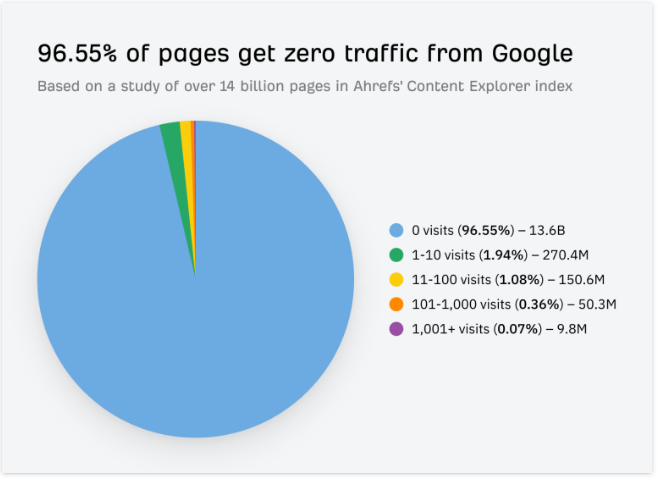
That’s why earning relevant media mentions can be so valuable.
Structure Your Pitch Like a Quote
Journalists prefer responses that can easily fit into their story. Instead of writing a long paragraph, structure your insight like a short quote they can copy and paste. A concise explanation followed by one supporting example often works well. When the response reads like a finished quote, it saves time for the reporter and increases the chances that your words will appear in the final article.
Conclusion
Getting responses from HARO isn’t only about sending pitches quickly. The way you write your response matters just as much. Certain words can make a pitch sound promotional, vague, or difficult for journalists to use in their article. When that happens, reporters often skip the email and move on to the next reply.
Simple and clear language usually works much better. Journalists want insights they can easily understand and quote in their story. When your pitch is direct and focused on the topic, it stands out much faster.
If you need help writing pitches that get accepted, reach out today.
FAQs
1. Which words most commonly hurt HARO pitches?
Words like “best,” “revolutionary,” “cutting-edge,” or overly promotional phrases often turn journalists off. These make a pitch seem like marketing rather than valuable insight.
2. How can I make my HARO pitch more credible?
Use clear, concise language, provide specific examples or data, and avoid hype. Pitches that focus on expertise and actionable insights gain more attention.
3. Does the email address affect response rates?
Yes. Journalists are more likely to trust pitches from a professional, domain-based email rather than generic accounts like Gmail or Yahoo.
4. How long should a HARO pitch be?
Pitches should typically be 150–300 words—long enough to provide valuable insight but concise enough for journalists to read quickly.
5. Can follow-ups improve HARO response rates?
Yes, but timing matters. A single, polite follow-up after 1 or 2 weeks is effective. Excessive or late follow-ups can reduce credibility and annoy reporters.



.jpg)

