When people start learning about SEO and backlinks, one of the first things they hear is the debate around dofollow and nofollow links. Both types appear across the web, and both can play a role in how websites build authority online. However, many beginners find the difference confusing. Some believe only one type matters for rankings, while others assume both work the same way.
In reality, these links serve different purposes. Search engines treat them differently, and understanding how they work can help you make smarter decisions when building backlinks for your website.
In this guide, we’ll explain dofollow vs nofollow links, the SEO difference between them, and how each type affects your website’s rankings and authority.
What Are Dofollow Links
Dofollow links are the standard type of hyperlink on the web. They allow search engines to follow the link and pass authority, often referred to as “link juice,” from one website to another. These links are essential for improving a site’s visibility and overall search rankings.
How Dofollow Links Work
Dofollow links pass ranking power from the linking site to the linked site. When a trusted website links to your page with a dofollow link, it signals search engines that your content is credible and valuable. This helps boost your domain authority, PageRank, and the chances of ranking higher in search results.
SEO Benefits of Dofollow Links
The main advantage of dofollow links is their direct impact on SEO. They improve website authority, which makes your pages more visible in search engines. High-quality dofollow links from reputable sites act as endorsements, showing that your content is trustworthy and relevant. Over time, these links can significantly improve organic traffic and search rankings.
What Are Nofollow Links
Nofollow links are a special type of hyperlink that tells search engines not to pass ranking authority to the linked site. While they don’t directly improve search rankings, they are still valuable for traffic, exposure, and maintaining a natural backlink profile.
How Nofollow Links Work
Nofollow links include a simple HTML attribute: rel="nofollow". This tells search engines not to count the link when calculating PageRank or domain authority. Websites often use nofollow links for sponsored content, affiliate links, or user-generated content like blog comments and forum posts.
SEO Benefits of Nofollow Links
Even though nofollow links don’t pass link juice, they still offer benefits. They can drive referral traffic to your website, increase brand visibility, and show search engines a natural link pattern. Having a mix of dofollow and nofollow links makes a backlink profile look balanced and trustworthy, which can indirectly support SEO efforts.
Dofollow vs Nofollow: Key Differences
Dofollow and nofollow links serve different purposes, and understanding their differences is essential for a strong SEO strategy.
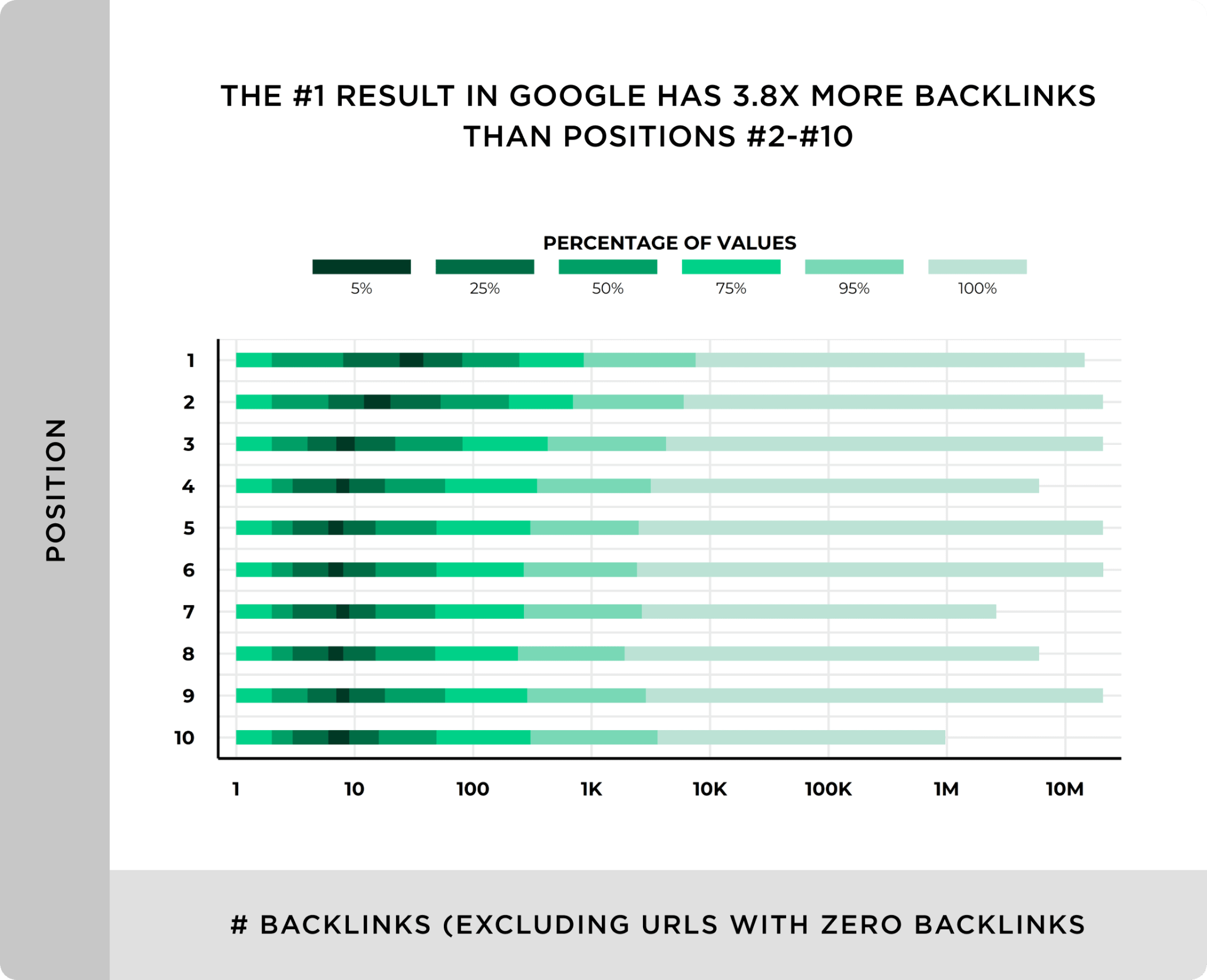
The main distinction lies in how they interact with search engines. Dofollow links pass authority from one site to another, boosting rankings and domain trust. On the other hand, nofollow links do not pass ranking power but still help drive traffic and maintain a natural link profile. In fact, industry studies often show how powerful backlinks can be. Research found that pages ranking #1 on Google typically have about 3.8 times more backlinks than pages ranking lower on the first page.
Another key difference is the signal each link type sends. Dofollow links act as endorsements, showing search engines that the linked content is reliable and worth referencing. NoFollow links signal neutrality, letting search engines know that while the link is valid, it should not influence rankings. This makes nofollow links useful for sponsored content, paid links, or user-generated posts.
The impact on SEO also varies. Dofollow links contribute directly to improving PageRank, authority, and search visibility. Nofollow links provide indirect benefits by attracting visitors, increasing brand exposure, and supporting a diverse backlink profile.
How to Identify Dofollow and Nofollow Links
Here’s how you can identify dofollow or nofollow links.
Inspecting the Link in the Browser
One of the quickest methods is to right-click on a link and select “Inspect” or “Inspect Element” in your browser. This opens the HTML code of the page. If the link contains the attribute rel="nofollow", it is a nofollow link. If the attribute is missing, it is a dofollow link by default. This method works on any website and provides a clear, accurate view of link types.
Using SEO Tools and Extensions
Several browser extensions make identifying link types faster. Tools like MozBar, SEO Quake, or Ahrefs SEO Toolbar can highlight nofollow links on a page automatically. These tools are especially useful when auditing multiple pages or analyzing a competitor’s backlink profile.
Contextual Clues
Sometimes, you can identify link types based on how they are used. Sponsored links, affiliate links, or links in comment sections are often marked as nofollow. Regular editorial links, such as references in blog posts or citations from authoritative sites, are usually dofollow. While not always guaranteed, these clues can give a quick sense of the link’s purpose.
Conclusion
Dofollow and nofollow links are both part of how the web works, and understanding the difference helps when building a backlink strategy. Dofollow links can pass authority and may influence search rankings, while nofollow links usually don’t pass the same signal but can still bring traffic and brand visibility.
Many well-known websites use nofollow links, so they still have value in a natural link profile. Instead of focusing only on one type, it’s better to aim for balanced, genuine mentions across different websites.
FAQs
1. What is the main difference between dofollow and nofollow links?
Dofollow links pass authority (link juice) to the linked website and improve SEO rankings, while nofollow links do not pass ranking power but still drive traffic and support a natural backlink profile.
2. Do nofollow links have any SEO benefits?
Yes. While nofollow links don’t directly boost rankings, they increase referral traffic, improve brand visibility, and help maintain a balanced and trustworthy backlink profile.
3. How can I identify if a link is dofollow or nofollow?
You can check a link by inspecting the HTML code in your browser for the rel="nofollow" attribute. SEO browser extensions like MozBar or SEO Quake can also highlight nofollow links automatically.
4. Should I use dofollow links for sponsored or affiliate content?
No. Sponsored or paid links should generally use the nofollow attribute to prevent passing authority and to comply with search engine guidelines, keeping your website safe from penalties.
5. What is the best link strategy for SEO?
The best link strategy for SEO focuses on earning high-quality backlinks from relevant and trusted websites. Instead of building many low-value links, it’s better to focus on editorial mentions through digital PR, guest contributions, expert quotes, and useful content. A natural mix of dofollow and nofollow links also helps maintain a healthy backlink profile.

![What Earned Media Really Means in the AI Era [Clear Explanation]](https://cdn.prod.website-files.com/66212eff7fb83b815e147071/698504857b3ed9934a51a963_What%20Does%20%E2%80%9CEarned%20Media%E2%80%9D%20Really%20Mean%20in%20the%20AI%20Era_%20(1).png)