Search engines and AI-driven search tools evaluate links differently now. They look at where the link appears, why it was given, and how relevant the source is to your topic. A single editorial link from a trusted, relevant publication can be more valuable than dozens of low-quality placements. Brand mentions and citations across authoritative sites also contribute to overall trust.
People also discover brands differently. Buyers read comparisons, expert roundups, and media features before visiting a company website. If your brand is referenced in these places, you earn both visibility and authority — and the backlinks come naturally as a result.
This guide covers five practical backlink strategies that work in 2026.
Strategy #1: Digital PR and Journalist Request Platforms
Digital PR is one of the most reliable ways to earn high-quality backlinks today because it’s built on editorial need, not link exchange. Journalists constantly look for expert quotes, data points, and real-world insights to support their stories. When you become a useful source, links happen naturally as part of the article — not as a favor, but as attribution.
In 2026, this works even better because media citations influence both search rankings and AI answer systems. When your brand is quoted in reputable publications, it builds authority beyond just SEO metrics. You’re not just getting a backlink — you’re being positioned as a reference. This lines up with industry sentiment as well. Recent SEO surveys show that 93% of SEO experts believe links will continue to impact Google rankings in the coming years, with most saying their influence will either grow or stay the same.
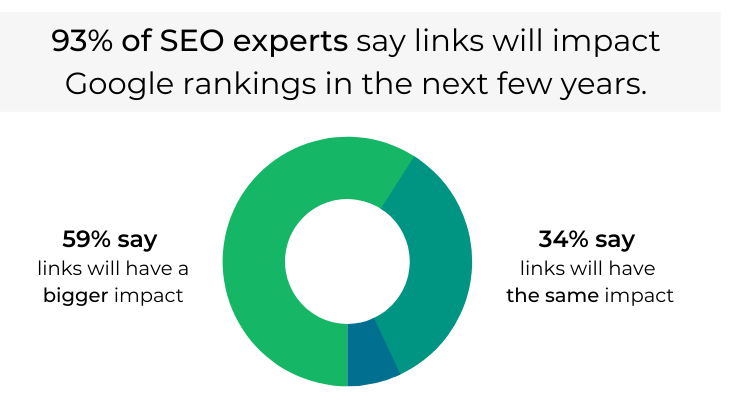
That tells you one thing clearly: editorial links still matter.
The process requires discipline. Monitor journalist request platforms and editorial query feeds daily. Look for topics directly connected to your expertise.
Speed matters — many journalists pick sources within hours. Your response should be clear, specific, and usable without heavy editing. Avoid promotional language. Give insight, examples, or short data-backed points they can drop straight into the article.
Preparation improves results. Keep a ready bank of expert quotes, short bios, credentials, and topic-specific insights. That way you’re not writing from scratch each time. Over time, patterns emerge — you’ll see which topics journalists repeatedly cover and can prepare better material in advance.
The biggest mistake people make is pitching broadly instead of selectively. Ten highly relevant responses beat fifty generic ones. Another mistake is over-selling the brand instead of answering the question. Journalists want clarity, not marketing copy.
Strategy #2: Data-Driven Linkable Assets
Original data earns links because writers, editors, and researchers need sources they can cite. When you publish something that contains fresh numbers, analysis, or benchmarks, you give other creators a reason to reference you. That reference often includes a backlink.
In 2026, this strategy is especially powerful because AI summaries and editorial articles both favor verifiable data sources. If your page contains unique statistics or structured findings, it becomes citation material — not just content.
A linkable asset doesn’t need to be a massive industry report. Smaller studies work well too. For example, a niche survey, a dataset analysis, a pricing benchmark, a trend breakdown, or a tool that calculates something useful. Specific beats are broad. Narrow topics often attract more qualified links because they fill a real information gap.
Execution should be practical. Start with a focused question in your niche. Gather data through surveys, internal anonymized data, public datasets, or structured observation. Then present the findings clearly with charts, short explanations, and key takeaways. Make the page easy to quote. Pull out statistics in bold lines so writers can grab them quickly.
Promotion matters as much as creation. Share the asset with journalists, bloggers, newsletter writers, and industry analysts who already cover that topic. Don’t just say “we published a report.” Highlight one surprising or useful stat and why it matters to their audience.
Strategy #3: Listicle and Comparison Inclusion
“Best tools,” “top services,” and comparison listicles drive a huge share of buyer research today. They also attract strong backlinks and are frequently referenced by AI answer engines. Getting your brand included in these articles can generate both authority links and qualified traffic.
These pages rank because they help users make decisions. That makes them high-trust environments. A backlink from a well-maintained comparison article is usually contextual, relevant, and editorial — exactly what modern SEO values.
Start by identifying listicles and comparison pages that already rank for your main keywords. Focus on sites that update their lists regularly, not one-time blog posts. Look for signs of real editorial review — testing notes, pros and cons, use cases, and version updates.
Your outreach should focus on usefulness, not begging for placement. Provide a reviewer kit — product details, differentiators, customer proof, short demos, data points, and clear positioning about who your product is best for. Make the editor’s job easier. If they can understand and evaluate you quickly, your chances improve.
It also helps to match the article’s angle. If the list is “best for small teams,” explain exactly why you fit that category. Generic pitches get ignored. Specific positioning gets considered.
Don’t overlook niche listicles. Smaller industry roundups are often easier to enter and still pass strong topical relevance. Multiple niche mentions can be as powerful as one broad mention.
The common mistake here is chasing every list instead of the right lists. Relevance and editorial quality matter more than raw domain metrics. When your brand appears in trusted comparisons, you gain links, credibility, and decision-stage visibility at the same time.
Strategy #4: Strategic Partnerships and Co-Marketing Links
Some of the strongest backlinks don’t come from outreach campaigns — they come from real business relationships. Strategic partnerships naturally create link opportunities because both sides have a reason to reference each other publicly. These links are usually relevant, contextual, and hard to replicate, which makes them more valuable in modern SEO.
Think in terms of the ecosystem, not just promotion. Every business sits next to complementary tools, services, platforms, and providers. When you collaborate with them, links often appear on partner pages, integration directories, case studies, joint resources, and event announcements. These placements make sense editorially because they reflect a real connection.
In 2026, search systems give more weight to these relationship-based links because they signal entity association. When your brand is repeatedly mentioned alongside related, credible companies, it strengthens topical trust — not just link equity.
There are several practical ways to create these opportunities. Build integration pages if your product connects with other tools. Publish joint case studies showing shared customer results. Run webinars or reports together and host them on both sites. Create resource hubs that feature trusted partners. Even supplier and vendor pages can produce solid backlinks when written with substance.
Avoid fake partnerships created only for SEO. They’re easy to spot and rarely maintained. Real partnerships produce durable links that stay live because they serve a business purpose.
Strategy #5: Expert Content Contributions
Guest publishing still works — but only when done selectively and with real expertise. The old model of mass guest posting across generic blogs has lost most of its value. In 2026, what works is contributing high-quality, experience-based content to respected, relevant publications in your niche.
The difference is intent and standard. You’re not publishing to “get a link.” You’re contributing because you have something useful to say to that audience. When the content is strong and the site is credible, the backlink becomes a natural author attribution, not a forced placement.
Start by targeting publications your actual customers read — industry blogs, trade sites, professional communities, and editorial platforms. Check their content quality first. If articles show depth, expert authors, and editorial review, it’s a good sign. If every post looks like outsourced filler, skip it.
Your contribution should bring original insight: field experience, tested frameworks, real examples, or contrarian analysis. Avoid recycled SEO advice. Editors accept repeat contributors who teach, not promote. Write from practice, not theory.
Conclusion
High-quality backlinks in 2026 come from being genuinely useful in places where real content is being created. When you share expert insight with journalists, publish original data, take part in real comparisons, and collaborate with relevant partners, you give editors a clear reason to reference and link to you. That link carries more weight because it exists for the reader first, not for SEO.
The five strategies in this guide work because they match how publishing actually happens today. Writers need sources. Editors need proof. Buyers look at comparisons. Companies highlight partners. Good sites accept thoughtful expert contributions. When you show up prepared and add value in these situations, backlinks happen naturally and tend to last longer.
FAQs
1. What are high-quality backlinks, and why do they matter in 2026?
High-quality backlinks are links from trusted, relevant websites that signal authority to search engines. In 2026, they will help improve SEO rankings, brand credibility, and visibility in AI-driven search results.
2. What is a linkable asset, and how does it earn backlinks?
A linkable asset is content designed to be valuable and shareable, like original research, tools, templates, or guides. People link to it naturally because it provides unique insights or practical help.
3. How can HARO and Digital PR help me get backlinks?
HARO and Digital PR connect you with journalists and bloggers looking for expert input. By providing useful answers and insights, you can earn authoritative editorial links from trusted sites.
4. Why should I analyze competitor backlinks?
Competitor backlink analysis shows where your competitors are earning links. This helps you identify opportunities, create better content, and target sites likely to link to your content as well.
5. Is guest posting still effective for SEO in 2026?
Yes, but only when it’s strategic. Guest posting on relevant, trustworthy sites with helpful content builds authority, earns high-quality backlinks, and strengthens your brand’s reputation without spammy tactics.


.png)