
If you’ve been sending HARO pitches and hearing nothing back, you’re not alone. Almost everyone starts there. You read the query, feel confident, write a detailed answer, hit send — and then… silence. After a while it starts feeling random, like reporters just pick names out of a hat. But that’s usually not what’s happening.
Most HARO rejections don’t happen because your expertise isn’t good enough. They happen because the pitch isn’t usable enough. Journalists are under time pressure. They scan fast, pick fast, and move on fast. If your reply takes effort to read, edit, or understand, it gets skipped, even if your knowledge is solid.
The good news is this — acceptance is more about format, clarity, and timing than “perfect writing.” Small fixes can change your hit rate a lot.
In this blog, we’ll cover the five most common reasons HARO pitches get rejected and what to fix so your next replies actually get picked.
1. Replying Too Late
Timing kills more HARO pitches than bad writing does. Most reporters don’t wait until the deadline to choose sources. They start scanning replies as they come in, and often pick usable quotes within the first batch. If your pitch goes out hours later — even if it’s excellent — it may never get read. By the time you respond, the story might already be drafted.
A lot of people assume the listed deadline is the real cutoff. In practice, it’s usually not. Journalists work under tight editorial pressure. Once they collect enough strong quotes, they move forward. That means HARO is not just about quality — it’s about speed plus quality.
This is especially true for popular topics like finance, legal, health, AI, and business. Those queries get flooded with replies. If you’re not early, you’re invisible.
How to fix it:
- Set up instant email alerts and filters for HARO queries in your niche so you see relevant requests within minutes, not hours. Don’t rely on checking manually. Speed matters more than perfection in early screening stages by reporters.
- Prepare a ready-to-paste expert bio and attribution block in advance. When credentials are pre-written and formatted, you remove decision time and friction, which helps you send complete, usable replies much faster.
- Create short pre-built answer frameworks for common topic types in your industry. You’re not copying answers — you’re speeding up structure so you only customize the insight instead of starting from zero each time.
- Block a fixed daily time window dedicated only to HARO replies. When it becomes scheduled work instead of “when I get time,” your response speed becomes consistent and your pickup rate usually improves.
- Skip queries you can’t answer quickly and well. A fast strong reply beats a slow perfect one. Selectivity plus speed produces better results than trying to respond to everything poorly.
2. Answer Is Too Long and Hard to Use
Many HARO pitches get rejected because they read like mini blog posts. Long intros, background explanations, side notes, and layered arguments make your answer harder to extract. Reporters are not looking for essays — they’re looking for quotes they can drop directly into an article with minimal editing.
When a journalist opens replies, they scan. If your pitch looks dense, they postpone reading it. Most postponed replies never get reopened. That’s the harsh truth. Even great insights lose if they’re buried inside heavy paragraphs.
Losing a media opportunity is a big loss for your site because quality links really matter for building authority.
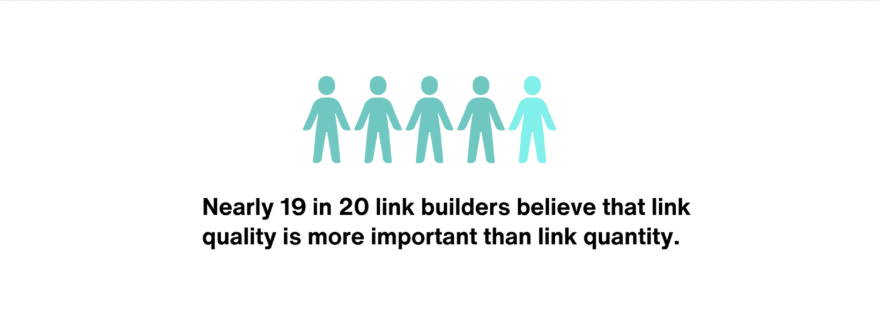
Even 19 in 20 link builders say link quality matters more. Here’s how to write answers that accept:
- Aim for 150-250 words per answer unless the query asks for more. That length is usually enough to show expertise while staying readable and easy for reporters to paste directly into their draft.
- Put your strongest sentence first instead of warming up slowly. Journalists often read only the first lines before deciding whether to keep or skip a reply, so lead with the usable insight immediately.
- Write in quote style, not article style. Use clear statements someone can attribute to you directly. If it sounds like something that could sit inside quotation marks, you’re doing it right.
- Break ideas into short paragraphs instead of one block of text. Visual readability affects selection more than most people realize when reporters are scanning dozens of responses quickly.
- Remove filler phrases like “In today’s world,” “It’s important to note,” and “There are many factors.” These waste space and weaken clarity without adding usable value to the quote.
3. You Sound Promotional Instead of Helpful
Reporters are not looking for brand promotion — they’re looking for expert contribution. The moment your pitch sounds like marketing copy, trust drops. Lines about your company being “leading,” “top-rated,” or “industry-best” are instant red flags. Even if true, they don’t belong in a HARO quote.
Journalists avoid promotional tone because it creates bias and editorial risk. They want neutral, informative, experience-based input. If your reply feels like a disguised ad, it gets filtered out. This is one of the most common silent rejection reasons.
The safest approach is to teach, not sell. Explain. Clarify. Give perspective. Let your expertise show through usefulness, not claims. Your brand attribution comes at the end anyway — that’s where your firm name and title do the branding work.
4. Not Actually Qualified for the Query
One common reason HARO pitches get rejected — and people rarely admit this — is simple mismatch. The query asks for a specific type of expert, but the reply comes from someone stretching their relevance. Reporters can spot that quickly. If the topic is about employment law and the reply comes from a general marketer with “interest in HR topics,” it won’t make the cut. Even if the answer is decent, credibility won’t hold.
Journalists are careful about who they quote because their name is attached to the article. They often check your title, company, and background before using your input. If your expertise doesn’t clearly line up with the question, your pitch gets filtered out quietly.
HARO is a fit game. Sending fewer, highly relevant replies beats sending many weakly related ones. When your role and experience match the query tightly, acceptance rates go up naturally.
The fix is discipline. Be strict about which queries you answer. Relevance first, opportunity second.
5. Your Pitch Format Is Messy or Incomplete
Even strong answers get rejected because the format is messy. Reporters open dozens — sometimes hundreds — of replies. If your pitch is hard to scan, missing attribution details, poorly structured, or buried in cluttered text, it creates friction. And friction gets skipped.
Common format problems include no clear quote section, missing full name or title, no company attribution, giant text blocks, or confusing layouts. Some replies even forget to include permission to quote. When a reporter has to chase details, they usually move on instead.
HARO queries selection is heavily influenced by usability. Clean format signals professionalism. It shows you understand how media workflows operate. Think of your reply like a ready-to-drop content block, not a casual email.
Final Thoughts
Most HARO pitches rejections don’t happen because you’re not smart enough or expert enough. They happen because the pitch wasn’t fast, clear, relevant, or easy to use. Reporters are busy. They don’t have time to decode long answers, verify stretched credentials, or clean up promotional language. They pick what’s usable right away.
The good part is, these are fixable problems. Reply earlier, keep answers tight, stick to what you truly know, and write like a helpful expert, not a marketer. When you make a reporter’s job easier, your acceptance rate goes up. Simple as that.
FAQs
1. How many HARO pitches should I send per day?
There’s no perfect number. But quality beats volume. Sending 3–5 highly relevant, well-written pitches is usually better than sending 20 in a day. Focus on queries that truly match your expertise instead of replying to everything you can.
2. What is the ideal length of a HARO reply?
In most cases, 150-250 words works best. Reporters prefer short, quote-ready answers they can paste directly into their article. If your reply looks like a mini blog post, it usually gets skipped, even if the insight is good.
3. Should I include my website link inside the HARO answer?
No — keep links and promotion out of the main answer unless the reporter asks. Put your website in the attribution line with your name and title. Promotional links inside the quote often reduce your chances of getting selected.
4. How long does it take to start getting placements from HARO?
It varies. Some people land a placement in their first week, others take a month or more. Consistency matters. Once you improve timing, formatting, and relevance, your pickup rate usually increases steadily over time.
5. Can I reuse the same HARO answer for multiple queries?
You can reuse structure, but not copy answers word-for-word. Reporters want responses tailored to their specific question. Use templates for speed, but always customize the insight so it directly fits the query.

.png)