



HARO can help you get featured in top media, but not every request is worth your time. If you reply to the wrong ones, you’ll just waste effort. Learning how to qualify HARO queries makes sure you focus on the opportunities that really matter.
In this guide, we’ll show easy steps to spot the requests that fit you best, so you can save time, get better results, and get quoted in the right publications.
Step 1: Check the Publication
The first thing you should do when reviewing a HARO query is check the publication that posted it. Not all media outlets carry the same weight, and your time is valuable, so it’s important to prioritize quality over quantity. Start by asking yourself a few questions:
- Is this a reputable site in your industry?
- Does it have an established audience?
- Will being featured here actually benefit your brand, credibility, or visibility?
Many HARO queries come from small, unknown, or low-quality websites. While responding to every query might feel tempting, it often leads to wasted effort and little to no return. Instead, focus on publications that are known for sharing accurate information and that your target audience actually reads. Even if it’s not a top-tier outlet, relevance matters.
For example, if you’re a fitness coach, a niche health magazine could be more valuable than a large general news site that rarely covers fitness.
Before you pitch, do a quick Google search of the publication. Look at their recent articles and social media presence. Check their domain authority if you care about SEO or backlinks. By taking this step, you ensure that every pitch you make is worth your time and aligns with your goals, rather than just filling inboxes.
Step 2: Evaluate the Topic Fit
Once you know the publication is credible, the next step is to make sure the query fits your expertise. Many people make the mistake of responding to any query that looks “interesting,” even if they don’t have real experience in that area. This rarely works. Journalists want quotes from people who actually know their subject — they can spot generic or shallow answers immediately.
Start by reading the query carefully.
- What is the journalist asking for?
- Are they seeking advice, data, analysis, or personal experience?
- Can you confidently provide an answer that will be useful to the journalist and their readers?
If yes, that’s a query worth your time. If not, skip it.
It’s better to respond to fewer HARO queries with strong, useful answers than to reply to dozens with generic comments. Providing real value not only increases your chances of being featured but also helps you earn backlinks from authoritative sites.
Backlinks are still one of the most important signals Google uses to rank pages. And studies show that top-ranking pages often have more backlinks than lower-ranked pages.
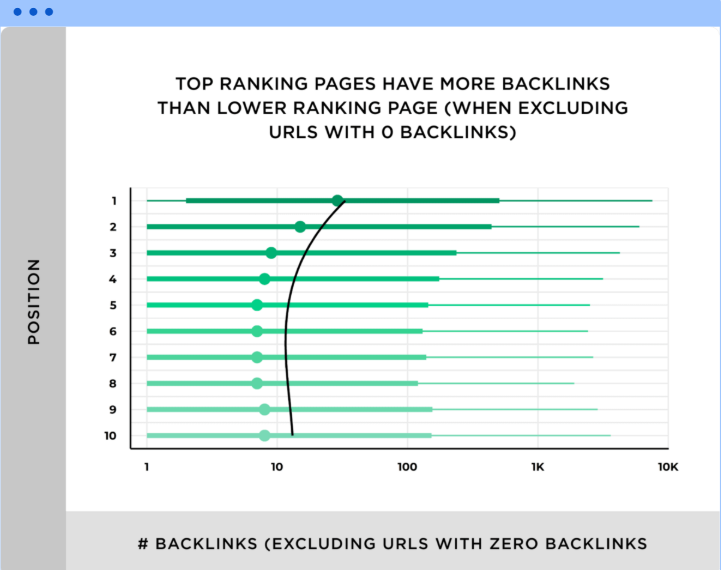
Source: BuzzStream
Getting featured on reputable sites through HARO can boost your credibility, drive traffic, and improve your website’s search visibility.
Step 3: Review the Deadline
Deadlines are a critical part of HARO queries. Journalists often work on tight schedules, and late submissions are rarely considered. Before you respond, check exactly when the journalist needs answers.
If the deadline is today or tomorrow, make sure you have the time to craft a thoughtful, high-quality response. Don’t rush your pitch just to submit something; a poorly written answer is worse than no answer.
Timing matters because journalists are juggling multiple stories. Even if your expertise is perfect for the query, missing the window means your input will go unused.
On the other hand, responding promptly increases the chance that your quote will be included. Some experts get featured simply because they were the first to send a clear, relevant response.
To manage deadlines effectively, consider setting aside a specific time each day to scan HARO emails. Flag queries with deadlines you can meet and draft your response immediately. This way, you don’t waste time overthinking or scrambling at the last minute.
Step 4: Assess the Opportunity Type
Not all HARO queries are created equal. Some ask for a quick one-line quote, others want detailed insights or even a full interview. Before responding, understand what the journalist is asking for and whether the effort is worth it. If a query requires hours of research or a lengthy response, make sure the potential exposure justifies your time.
Consider the outcome: Are you likely to get a simple mention, a backlink, or a full feature?
Some HARO queries are more strategic, offering SEO benefits or linking opportunities that can boost your website authority. Others may give you visibility among a highly relevant audience. Understanding the type of opportunity helps you prioritize the queries that deliver the most value.
If a query is too broad, vague, or outside your comfort zone, it’s okay to skip it. Quality matters more than quantity. Experts who focus on responding to the right queries consistently see better results than those who pitch to every request indiscriminately. Assessing the opportunity type ensures your effort is targeted and productive.
Step 5: Check the Audience & Impact
Before pitching, consider who will read the journalist’s story. Not every publication reaches the same audience, and being featured in the wrong place might not benefit your goals.
For example, if your target clients are business professionals, a lifestyle blog with a mostly casual audience may not be worth your time. Focus on queries from publications that reach people who matter to your brand, product, or service.
Audience relevance also affects long-term value. Being quoted in the right outlets can lead to credibility, authority, and even future media opportunities. Think beyond the immediate quote: who will see it, and how will it impact your reputation? Prioritizing queries that align with your audience ensures that every pitch has a measurable benefit.
Checking the audience also helps you decide how to craft your response. If the readers are industry insiders, you can use technical language and data. If it’s a general audience, keep your answer simple, relatable, and actionable. Understanding impact ensures that your time spent pitching translates into real results.
Step 6: Skip Over Spam or Generic Requests
HARO is full of queries that aren’t worth your time — vague, promotional, or spammy requests that don’t lead to meaningful media coverage. Part of qualifying HARO queries is learning to recognize these early. Avoid any query that seems more like an advertisement than a genuine story request.
Look for clear, specific requests that give enough context for you to provide a thoughtful answer. If a query is extremely generic or asks for self-promotion disguised as expertise, skip it. Responding to low-quality queries can waste hours without any benefit.
Focusing only on authentic requests keeps your efforts efficient and effective. Over time, you’ll learn to spot good opportunities immediately, saving time and increasing your success rate.
Conclusion
Knowing how to qualify HARO queries before pitching is key to making your efforts count. By checking the publication, evaluating topic fit, reviewing deadlines, and focusing on quality opportunities, you save time and increase your chances of being featured in top outlets.
Fewer, well-targeted pitches with real value get you noticed by journalists and also earn authoritative backlinks, boost your credibility, and improve your visibility.
If you don’t have time to scan queries and write better pitches, don’t worry. Just reach out today. We’ll handle the complete process and land top media links for you.
Frequently Asked Questions
1. What does it mean to qualify HARO queries before pitching?
Qualifying HARO queries means carefully reviewing each request to ensure your expertise, experience, and insights match the journalist’s needs. It helps you avoid irrelevant pitches and increases your chances of getting featured.
2. Why do some HARO pitches fail to get published?
Most HARO pitches fail because they are irrelevant, too promotional, poorly formatted, or don’t provide original insights. Timing and clarity also play a major role in whether a pitch gets noticed.
3. How can I improve my HARO success rate?
Focusing on relevant queries, providing concise and original responses, following all instructions, and responding quickly improves your HARO success rate. Consistency and attention to detail make a big difference.
4. Should I respond to anonymous HARO queries?
Proceed carefully. Anonymous queries can sometimes come from reputable sources, but they may also be low-authority outlets. Only respond if the potential value outweighs the uncertainty.
5. What are the key filters to use before pitching on HARO?
Check expertise match, query relevance, publication quality, content originality, deadline, and your ability to meet the journalist’s specific requirements. These filters save time and improve results.

.png)

.png)

