One of the most common mistakes in link building happens before the first outreach email is even sent. Businesses spend time finding websites, building relationships, and earning backlinks, but they never stop to ask a simple question… where should those links actually go?
Some people send almost every backlink to blog posts because they are easier to promote. Others push every link toward product or service pages because those are the pages that generate revenue. Both approaches can work, but both can also create problems when taken too far.
In this blog, you’ll learn the strengths of both approaches, when each one makes sense, and how to decide where your next backlink should go if you want better SEO results and stronger business outcomes.
Understanding the Difference Between Product Pages and Blog Posts
Before deciding where to build links, it helps to understand that product pages and blog posts have completely different jobs.
A product page is designed to help someone take action. That action could be buying a product, booking a call, requesting a quote, starting a free trial, or contacting your business. These pages target people who already know what they need and are closer to making a decision.
A blog post serves a different purpose. Most blog content is created to answer questions, explain a topic, solve a problem, or help someone learn something. Readers often find these pages while researching or comparing options before they are ready to buy. This is also one reason blog content attracts so many backlinks. According to a study by Backlinko, long-form content gets more backlinks than shorter articles on average.
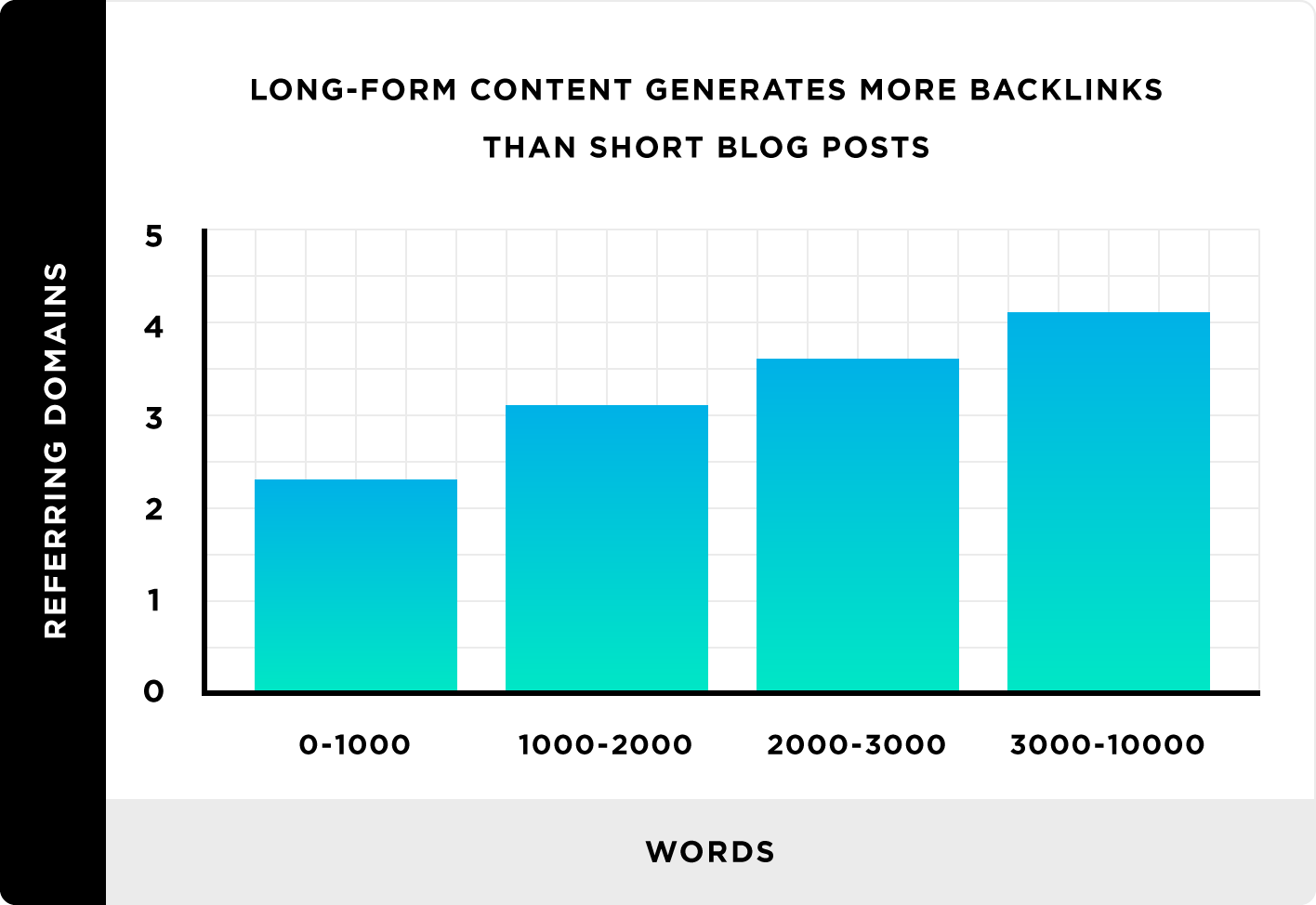
People are more likely to reference useful guides, studies, and resources than pages designed to sell a product or service.
This difference matters because people link to content for different reasons than they buy from it.
Think about your own browsing habits. If you find a useful industry study, a statistics page, or a detailed guide, you may reference it in your own content. But you are much less likely to link to a random service page unless there is a strong reason to do so.
That’s why blog posts usually attract links more naturally. They provide information people can cite, reference, and share. Product pages are often where the business earns revenue, but they are not always the easiest pages to promote through outreach.
Why Most Link Builders Prefer Blog Posts
Most link builders choose blog posts because they are easier to promote without making the outreach feel forced. A useful guide, checklist, study, or comparison article gives another website a real reason to link. It helps their readers understand a topic better, so the link feels natural inside the content.
Product pages are harder. Even if the product is good, the page is still built to sell. Many editors do not want to send readers straight to a sales page unless it adds clear value to the article. A blog post feels safer because it teaches first and sells later.
Blog posts also give link builders more angles to work with. A guide can be pitched as a helpful resource. A stats page can support someone’s article. A how-to post can answer a common reader problem. With product pages, the pitch is usually much narrower.
The mistake is building links only to blog content and forgetting the pages that bring leads or sales. Blog posts are great link targets, but they should also support your product or service pages through smart internal links.
Why Product Pages Still Need Backlinks
Many businesses spend months building links to blog posts and resource pages but give very little attention to their product or service pages. The problem is that blog posts rarely pay the bills. Product pages do.
If your goal is to rank for keywords with buying intent, your product pages need authority too. When someone searches for terms like "best project management software," "SEO agency," or "email marketing tool," Google is often ranking commercial pages, not blog posts. Those pages are competing directly against other businesses trying to win the same customers.
I've seen websites with dozens of strong backlinks pointing to their blog content while their service pages have almost none. The blog posts attract traffic, but the pages that generate leads struggle to move up in search results.
Backlinks help product pages build trust and authority just like any other page on a website. They can also help those pages compete for valuable keywords that are closer to a purchase or inquiry.
This doesn't mean every backlink should go directly to a product page. In many cases, blog content is still the easier link target. But if all of your links go to informational content, you can end up with a website that attracts visitors while the pages responsible for generating revenue remain weak.
A Simple Framework for Deciding Where a Link Should Go
A lot of businesses overcomplicate this decision. The easiest way to decide where a backlink should go is to ask one simple question: what is the job of this link?
If the goal is to earn links naturally, a blog post is often the better choice. Guides, studies, statistics pages, and educational content give people a reason to link because they help support an article or explain a topic. These pages are usually easier to promote and often attract more links over time.
If the goal is to improve the visibility of a page that generates leads, sales, or inquiries, then a product or service page deserves attention. After all, ranking a blog post is great, but most businesses ultimately care about the pages that drive revenue.
It also helps to look at the page itself. Ask yourself whether the page would make sense as a destination if someone clicked the link. A detailed guide often fits naturally inside an article. A product page may fit better in a review, comparison article, resource list, or recommendation piece.
In many cases, the smartest approach is not choosing one or the other. Build links to content that earns attention naturally, but make sure your most important commercial pages receive support as well. The best link-building strategies usually balance both instead of putting all their effort into a single page type.
Conclusion
There is no single answer to whether you should build links to product pages or blog posts. Both have a role, and both can help your SEO when used correctly.
Blog posts are often easier to promote and attract links naturally because they help people learn something. On the other side, product and service pages are usually the pages that bring leads, sales, and revenue. Ignoring either one can create problems.
The better approach is to think about your goal before building the link. If the page helps earn attention, links, and visibility, it may be a strong link target. If the page helps grow the business, it deserves support too.
FAQs
1. Is it better to build backlinks to blog posts or product pages?
Neither is always better. Blog posts are usually easier to earn links to, while product and service pages are often the pages that generate leads and sales. A healthy link-building strategy often includes both, not just one.
2. Why do most backlinks point to blog content?
Most websites prefer linking to useful resources, guides, research, and educational content. These pages help support their articles and provide value to readers, which makes them much easier to reference than sales-focused product pages.
3. Can product pages rank without backlinks?
They can, especially in low-competition niches. However, product and service pages often compete against strong websites. Backlinks can help build authority and improve the page's ability to rank for valuable commercial keywords.
4. Should I send HARO and digital PR links to product pages?
In many cases, no. Journalists usually prefer linking to studies, guides, tools, or useful resources. However, if a product page directly relates to the story and adds value for readers, it can still be a suitable destination.
5. How do I pass authority from blog posts to product pages?
The simplest way is through internal linking. If your blog content earns backlinks, you can strategically link from those articles to relevant product or service pages. This helps share authority across your website and support important business pages.