



Google now answers many search questions directly through AI Overviews. Instead of showing only a list of links, Google sometimes generates a short explanation at the top of the results page and pulls information from different sources across the web. This change has started to reshape how people discover content online.
When a website is referenced in these summaries, it can gain strong visibility because users often read that section before scrolling through the rest of the results. For many websites, appearing there can mean more attention and recognition.
One approach some SEO professionals are exploring is HARO. In this article, we’ll explain how HARO can help websites get featured in AI Overviews and why media mentions may play a role in that visibility.
Optimize Your HARO Pitch for AI Information Extraction
Crafting your HARO pitch carefully is essential to getting noticed and cited in AI Overviews. The goal is to make your response clear, concise, and directly answer the reporter’s question so it can be easily used and trusted.
Lead With the BLUF Method
Start your response with the Bottom Line Up Front. A 1–2 sentence direct answer immediately tells the reporter—or any system scanning the content—exactly what you’re contributing. This approach makes your insight easy to copy, share, and cite, increasing the chances of placement.
Use Lists and Bullet Points
Breaking down your answer into lists or bullet points makes complex ideas easier to read. Structured responses, like “top 3 tips” or “5 key methods,” stand out and are more likely to be featured because they provide clear, digestible information.
Include Proprietary Data or Stats
Adding unique numbers, case studies, or first-hand results strengthens your pitch. Reporters and publications value original insights over generic advice, and including specific data increases trust and authority in your answer.
Keep It Concise
Short, focused responses under 200 words perform best. Journalists are busy and prefer quotes they can quickly insert into their story. Concise answers also make it easier for your expertise to be recognized and featured.
Focus on E-E-A-T and Author Credibility
Being recognized as a credible source is essential for getting featured in AI Overviews. This visibility has become even more important as AI summaries change how people interact with search results.
Early studies show that AI Overviews are reducing click-through rates by more than 34.5%, since users often get their answers directly in the search results.
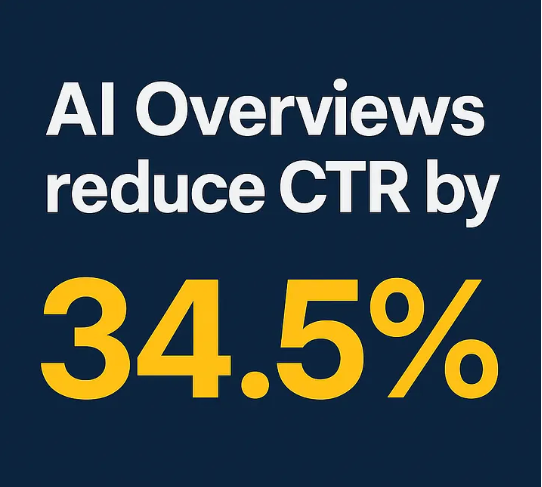
Because of this shift, authority, expertise, and trust are becoming even more important signals. These are the same qualities reporters—and their audiences—look for when selecting quotes or insights. Highlighting your experience and qualifications makes it easier for your input to be trusted and cited.
Highlight Your Qualifications
Include your title, company, and a brief explanation of why you’re qualified to answer the query. This builds confidence in your expertise and shows the reporter or reader that your insight is reliable.
Leverage Detailed Author Pages
Link to a professional author page on your website that outlines your background, experience, and credentials. Including a LinkedIn profile or portfolio adds an extra layer of verification, showing you are a genuine expert in your field.
Target High-Authority Publications
Prioritize pitching to well-known, reputable outlets. Quotes from these sources carry more weight, as they are trusted by both readers and industry peers. Being featured on high-domain sites not only boosts visibility but also enhances your perceived credibility.
Focusing on credibility and authority ensures that your HARO pitches aren’t just read—they’re respected and more likely to be selected for placement.
Act Fast and Target Specific HARO Queries
Timing and focus are critical when using HARO to get featured. The best opportunities often disappear within hours, so quick action can make all the difference. Responding promptly increases the likelihood that your insights will be chosen and cited.
Respond Within Hours
HARO queries are usually competitive, and reporters often receive dozens of responses quickly. Answering within 1–3 hours of receiving the request gives your pitch the best chance to stand out and be used in the article or overview.
Focus on Conversational or Long-Tail Queries
Look for HARO queries that are phrased like real questions people ask, such as “How do I solve…” or “What is the best way to…?” These types of questions are most likely to appear in AI Overviews because they align with the way readers and systems search for answers.
Prioritize Your Expertise
Select queries that match your knowledge and experience. Targeted responses show authority and provide more value to reporters, making your quote more likely to be included.
Create Complementary Answer Content on Your Website
Getting quoted through HARO is just one part of the process. To maximize your chances of being featured and recognized as an authority, your website should reinforce the insights you provide.
Publish In-Depth Articles
When you respond to a HARO query, create a full article or blog post on your site that expands on the topic. This gives reporters and readers a reference point and demonstrates your expertise in detail.
Use Clear Structure and Headings
Organize your content with headings, lists, and bullet points. Well-structured pages make it easy for readers—and search systems—to find the answers they need.
Implement FAQ or How-To Schema
Adding structured schema markup helps search systems understand your content as a clear answer to common questions. This increases the likelihood that your site will be cited or highlighted in overviews.
Provide Supporting Evidence
Include data, case studies, or specific examples in your content. Complementary content with proof points strengthens your credibility and makes your original HARO quote more persuasive.
Conclusion
You might have noticed… users now read the summary that appears at the top of the results. Because of this, being mentioned in trusted sources has become even more valuable.
When journalists quote experts through platforms like HARO, those insights often appear on respected websites. Over time, these mentions can help a brand or website become part of the information ecosystem that search engines rely on.
FAQs
1. What are AI Overviews and why should I care?
AI Overviews are concise summaries of expert insights used in search results and knowledge panels. Being featured helps increase visibility, credibility, and authority for your brand or expertise.
2. How does HARO help me get featured in AI Overviews?
HARO connects experts with journalists looking for quotes and insights. Well-crafted responses to HARO queries can be cited in articles and AI Overviews, building your authority and online presence.
3. What makes a HARO pitch more likely to be used in AI Overviews?
Clear, concise answers that use the BLUF method, include supporting data, and highlight your expertise are more likely to be featured. Structuring answers in lists or bullet points also improves chances.
4. Do I need a backlink to get noticed by AI Overviews?
Not always. Unlinked mentions of your name or brand in reputable publications can build recognition and credibility, which AI systems use to identify authoritative sources.
5. How fast should I respond to a HARO query?
Responding within 1–3 hours of receiving a query increases the likelihood your pitch will be seen and selected. Speed, relevance, and clarity are key to getting featured.

.png)

.png)

