
Some brands get noticed and quoted over and over, while others barely appear in LLM answers. Being recognized in content that these AI models and AI search engines reference isn’t random at all. It comes from how a brand is seen, talked about, and presented across the internet.
How a brand is mentioned, where it appears, and how it communicates its expertise all play a role in whether it’s picked up and referenced.
That being said, let’s get into what makes a brand “quotable” in LLMs like ChatGPT, Claude, Gemini, and more.
1. Credible Media Mentions
Being mentioned in well‑known, trusted places — like big news sites, respected industry blogs, or niche publications people follow — still matters a lot. When your brand is featured in those places, it signals credibility. People trust those sources, and the systems that surface answers do too.
Stats show that 47% of Google search results now include some form of AI‑generated overview, which means these overviews often pull from content that’s already seen as reliable.
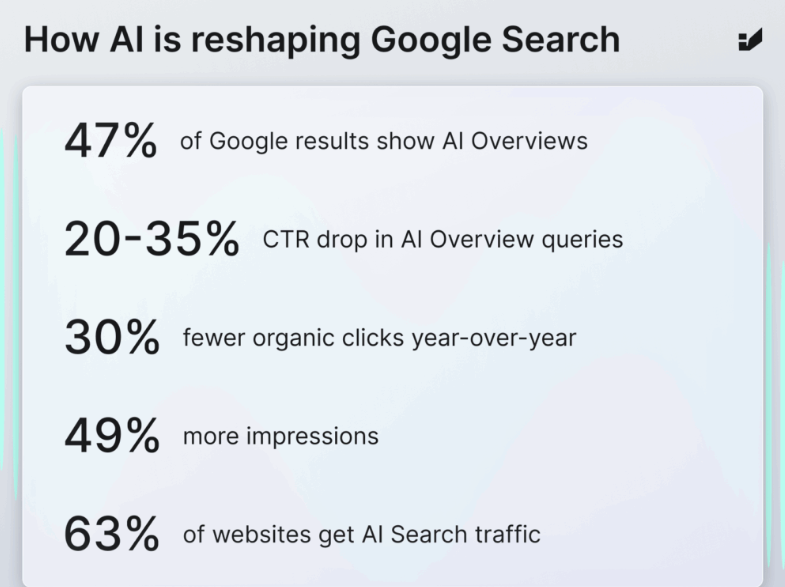
If your brand is quoted or mentioned in high‑quality coverage, that mention has a better chance of showing up in those overviews and summary responses.
It’s not just about getting mentioned anywhere — it’s about getting mentioned where audiences already look for information. A quote or reference in a trusted publication is more likely to be shared, linked to, and used as a source for others.
Over time, having steady, visible mentions in credible places builds recognition. Brands that do this repeatedly become the ones others refer back to again and again.
2. Clear and Concise Language
How you’re quoted matters just as much as where you’re quoted. Quotes and content that are easy to read tend to get picked up more often than long, confusing paragraphs. Simple words, short sentences, and clear meaning help your message stick.
When reporters or writers include your brand in an article, they usually pull a direct quote or summary of what you said. If that quote is straightforward and to the point, it’s more likely to be shared, linked, and reused — which increases the chances that your words will surface in answer summaries, snippets, and overviews.
Avoiding jargon or overly technical language helps people read and understand your point quickly. Think about how you talk in a real conversation — that’s the kind of language that resonates. When your insights are presented in a way people naturally understand, they’re more likely to be quoted by others and reused in different contexts.
3. Unique Insights and Expertise
Everyone has an opinion, but what gets picked up again and again is original thinking, real experience, and useful perspective. Brands that share insights you can’t find everywhere else tend to be quoted more often.
When your insight explains something in a way others haven’t, it becomes a reference point. Writers and editors like to use those insights because they add value to their articles. And once a piece of content finds its way into multiple articles, it becomes more widely recognized.
Unique insights can come from real experience — things you’ve learned from working in your field, real examples from your own projects, thoughtful observations about trends, and lessons that others can’t easily copy. These aren’t just facts; they’re meaningful points that help someone understand a topic better.
Because these insights are specific and valuable, they get quoted, linked to, and reused. Over time, that makes your brand a name people connect with particular topics, increasing the chance your words are referenced in different places, including answer summaries and overviews.
4. Relevance to Current Topics
Timing matters. When your brand is quoted in discussions that people really care about right now, those quotes have more impact. Current news, trending issues, or big shifts in your industry attract attention — and if your brand is part of that conversation, it improves your visibility.
For example, if a topic is being covered widely in the press or being searched about frequently, any relevant quote from you gets more traction. People look for fresh ideas and timely context, so when your brand contributes at the right moment, it’s more likely to be picked up and shared.
Relevance also signals to readers and content platforms that your insight is useful right now. If something is old or not tied to what people are asking about or reading today, it’s less likely to circulate.
Being part of current conversations keeps your brand in the loop, and that helps build recognition. When others see your name showing up in the right topics at the right time, your visibility grows — in articles, discussions, and summary answers that people rely on.
5. Consistency Across Mentions
One of the most important things for a brand to be noticed is showing up consistently. If your brand is mentioned once in an article and then disappears, it won’t stick in people’s minds — or in the systems that reference content. But when your brand appears repeatedly on the same topic, it starts to be seen as a reliable source.
Consistency means staying focused on your main areas of expertise. If you keep sharing insights about the same topics across different articles, interviews, or mentions, you build a clear connection in readers’ minds. Over time, this repeated presence signals authority.
Even small mentions count if they are consistent. Short quotes, mentions in blogs, or contributions to discussions add up. The more your brand appears in a coherent, focused way, the more likely it is to be noticed and referenced by others. This steady visibility strengthens credibility and increases the chances your insights are picked up and reused.
6. Data, Statistics, and Facts
Quotes backed by real data or facts stand out. Numbers give weight to statements and make them easier for others to reference. When you include statistics, research results, or verifiable examples, your brand becomes a source people can trust.
For example, a simple statistic or trend insight can be reused across multiple articles, posts, or summaries because it’s concrete and easy to check. AI and content platforms also recognize these factual mentions as reliable, making your brand more likely to be cited.
Even if the statistic is small, its clarity and relevance matter. Using facts makes your insights specific rather than vague. This makes it easier for others to pull your quote directly, increasing the reach and visibility of your brand.
7. Structured and Easy-to-Read Mentions
How your brand is mentioned matters. Clear, organized mentions are more likely to be picked up and reused. Short sentences, bullet points, headings, and simple explanations make quotes easy to read and reference.
When content is structured, it’s easier for journalists, writers, and even AI systems to identify the key points. Long, confusing paragraphs or overly technical language are often ignored or paraphrased incorrectly. Using clear formatting ensures your message is understood correctly and makes it easier for others to quote you.
Even small changes, like breaking a paragraph into 2–3 sentences or adding a short heading, can make your insights far more quotable. Structured mentions not only help people read and understand your brand’s message but also increase the chances it will be cited in multiple places, building authority and recognition over time.
Conclusion
Being quotable does not rely on flashy marketing or complicated language. It relies on clarity, trustworthiness, and consistency. Brands that appear in the right places, share useful insights, support statements with facts, and communicate in a way people understand are the ones that get noticed and referenced.
Small actions, such as structuring content well, giving precise quotes, or contributing to reputable publications, have a big impact over time. When a brand is consistent and easy to reference, it becomes a source others rely on.
If you want your brand to get noticed in the right places and cited where it matters most, contact us today. We help brands land features in trusted media and build mentions that are seen and referenced.
FAQs
1. What does it mean for a brand to be quotable?
A quotable brand is recognized as reliable, clear, and trustworthy across online sources. Such brands are more likely to be cited in references, reports, or summaries because their information is accurate and verifiable.
2. How can a brand improve its authority and trust signals?
Brands can boost credibility by earning mentions in reputable media, acquiring high-quality backlinks, maintaining consistent online profiles, and showcasing expertise through well-researched content.
3. Why is content clarity and structure important for being quoted?
Clear, structured content—using headings, bullet points, and concise answers—makes it easy for readers and platforms to quickly find, understand, and reference the information.
4. What role do technical optimizations play in a brand being quoted?
Technical optimizations, like using structured data, ensuring crawlable pages, and keeping content fresh, help search systems and platforms discover and interpret brand information effectively.
5. What common mistakes prevent brands from being quoted?
Brands often fail to be referenced due to vague content, inconsistent information, low-quality backlinks, outdated information, or poor website structure, all reducing credibility and visibility.

![Top 6 Ways of Building Links in 2026 [According to Reports]](https://cdn.prod.website-files.com/66212eff7fb83b815e147071/694d1ec72722a5d0ee6d0ead_WhatsApp%20Image%202025-12-25%20at%204.16.29%20PM%20(1).jpeg)