
ChatGPT has quickly become one of the most popular tools people use to search for information, learn new topics, and even make decisions. Instead of opening many different websites, many users now ask ChatGPT their questions and expect a clear answer in seconds. But this raises an interesting question: where do those answers actually come from?
When ChatGPT explains something or mentions a website, it doesn’t randomly pick sources. The system relies on patterns it learned from large amounts of information and tries to provide responses that are helpful and reliable.
In this article, we’ll explain how ChatGPT chooses sources and what influences the information it includes in responses.
Authority and Trust
Authority plays a major role in how information gets recognized and referenced online. As more people begin using AI tools to search for answers, appearing in those responses is becoming increasingly valuable for brands and websites. The growth of AI search clearly shows this shift.
Recent data shows that ChatGPT now receives around 5–6 billion visits per month.
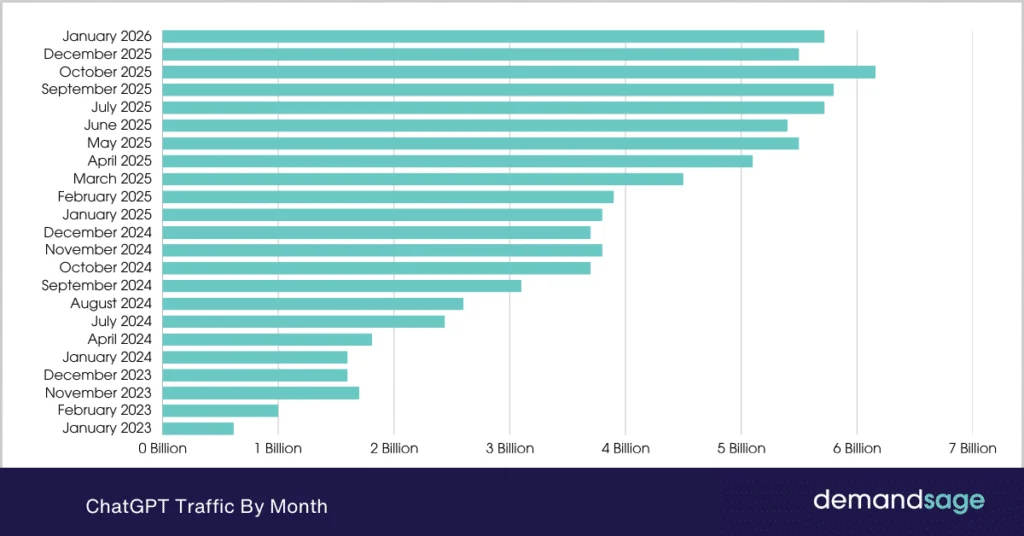
This shows how quickly people are turning to AI platforms to research topics, learn about products, and understand industry trends.
Because of this, authority and trust have become even more important. One of the strongest ways websites build that credibility is by getting featured on trusted media websites. When well-known publications, industry platforms, or respected blogs mention a brand, it signals reliability and expertise.
These media mentions act like strong reputation signals across the web. When a website is consistently referenced by credible publications, it builds recognition and trust over time. That visibility across respected sources increases the chances of being noticed, referenced, and surfaced in modern AI-driven answers.
Relevance and Accuracy in AI Content
Relevance decides whether content even gets considered. If a page does not clearly match the question being asked, it is unlikely to be used. This is why relevance and accuracy in AI content matter so much. The closer the content aligns with the exact intent behind a search, the stronger its chances.
Clear answers perform better than long introductions. When a heading asks a direct question, and the paragraph below answers it in simple words, it creates a strong match. This improves AI content visibility and strengthens overall AI content optimization efforts. Content that stays focused on one topic, instead of mixing too many ideas, feels more dependable.
Accuracy is just as important as relevance. Information must be fact-based and up to date. Incorrect details weaken source credibility signals and reduce trust. Content supported by research, data, or widely accepted facts carries more weight. Even small factual mistakes can affect how reliable a page appears.
Clarity also supports accuracy. Simple language, short paragraphs, and structured formatting make information easier to understand. When readers can quickly find the answer they are looking for, it increases the overall value of the content.
Source Diversity and Frequency Signals
One strong trust factor is consistency across different platforms. When the same information appears on multiple reputable websites, it becomes harder to ignore. This pattern strengthens source credibility signals and increases confidence in the accuracy of that information.
Source diversity means information is not limited to one single website. If respected news sites, educational platforms, and industry blogs all mention the same fact, it builds validation. This type of cross-verification supports stronger content trust factors. It shows that the information is not isolated or opinion-based but widely accepted.
Frequency also matters. When a topic is discussed repeatedly across trusted domains, it gains visibility and recognition. Repeated references act as reinforcement. This does not mean copying content from others. It means presenting well-researched information that aligns with facts. Strong AI content optimization often includes referencing common knowledge that is already supported by credible platforms.
Structured Content and Formatting Matters
Good structure makes content easier to understand and easier to trust. Even strong information can lose impact if it is buried inside long, unorganized paragraphs. Clean formatting improves the visibility of AI content and helps important points stand out clearly.
Headings play a major role. Clear H2 and H3 sections guide readers through the topic step by step. When a heading asks a direct question, and the paragraph below answers it immediately, it strengthens AI content optimization. This format keeps the content focused and easy to follow.
Short paragraphs also improve readability. Large blocks of text can feel overwhelming and confusing. Breaking ideas into smaller sections allows each point to breathe. This supports stronger content trust factors because the information feels more organized and thoughtful.
Bullet points, numbered lists, and highlighted key phrases can also improve clarity when used properly. They help separate important details without making the page feel crowded. Structured formatting sends stronger source credibility signals because it shows attention to detail and effort.
Conclusion
As AI tools continue to change how people search for information, understanding how answers are formed has become increasingly important. Platforms like ChatGPT are now used by millions of people to learn about topics, research businesses, and find quick explanations. Because of this shift, visibility in AI-generated answers is becoming valuable for brands and publishers.
However, appearing in these responses doesn’t happen randomly. Information that appears widely across credible websites and trusted sources is more likely to be reflected in AI answers. For businesses and content creators, building strong online credibility is becoming a key part of staying visible as AI-driven search continues to grow.
FAQs
1. How does ChatGPT decide which information to include in answers?
ChatGPT generates responses based on patterns learned from large amounts of text data. It tends to reflect information that appears frequently across reliable sources. Content that is widely referenced, clearly written, and discussed across credible websites is more likely to influence the types of answers AI systems produce.
2. Does ChatGPT pull information directly from websites?
ChatGPT doesn’t browse the web in real time in most cases. Instead, it generates answers based on training data and patterns it learned from publicly available information. The responses are created by combining knowledge from many sources rather than copying content from a single website.
3. Why do some brands appear more often in AI answers?
Brands that are widely mentioned online tend to appear more often in discussions and explanations. When a company or website is referenced across multiple trusted platforms, it becomes part of the broader information ecosystem, which increases the likelihood that it may be reflected in AI-generated responses.
4. Can SEO help content appear in AI-generated answers?
Yes, many of the same principles behind SEO still matter. Clear explanations, helpful content, and strong online credibility make information easier to understand and reference. When content is well-structured and widely discussed online, it becomes more visible across different information platforms.
5. Why is authority important for AI search results?
Authority helps determine which information is seen as trustworthy. When content is associated with credible websites, experts, or recognized publications, it builds stronger trust signals online. These signals make information more likely to be considered reliable within the broader digital knowledge landscape.