
Most websites do not build backlinks by accident. Behind every strong backlink profile, there is usually a strategy, whether it is guest posting, digital PR, HARO, resource page outreach, or something else. The good news is that you do not have to guess what is working in your industry. You can learn a lot by looking at the websites already ranking above you.
This process is called reverse engineering, a competitor's link building strategy. It helps you see where their backlinks come from, which pages attract the most links, and what tactics they use to earn them.
In this blog, you'll learn how to break down a competitor's backlink profile step by step and turn that information into link opportunities for your own website.
#1: Identify the Right Competitors to Analyze
The first step is choosing the right competitors. Many people make the mistake of looking at companies they compete with in business, but those are not always their SEO competitors.
For example, you might sell the same service as a large national brand, but your real SEO competitors are the websites ranking on page one for the keywords you want to target. Those are the sites you should study.
Start by searching your main keywords on Google and make a list of websites that appear consistently in the top results. If a site ranks for several keywords that matter to your business, add it to your list.
Try to pick three to five competitors. This gives you enough data without becoming overwhelming. The goal is to find websites that are successfully ranking for the searches you want to win.
Once you have the right competitors, the rest of the research becomes much more useful.
#2: Export Their Backlink Profile
After choosing your competitors, the next step is collecting their backlink data. Tools like Ahrefs, Semrush, and Ubersuggest make this process simple.
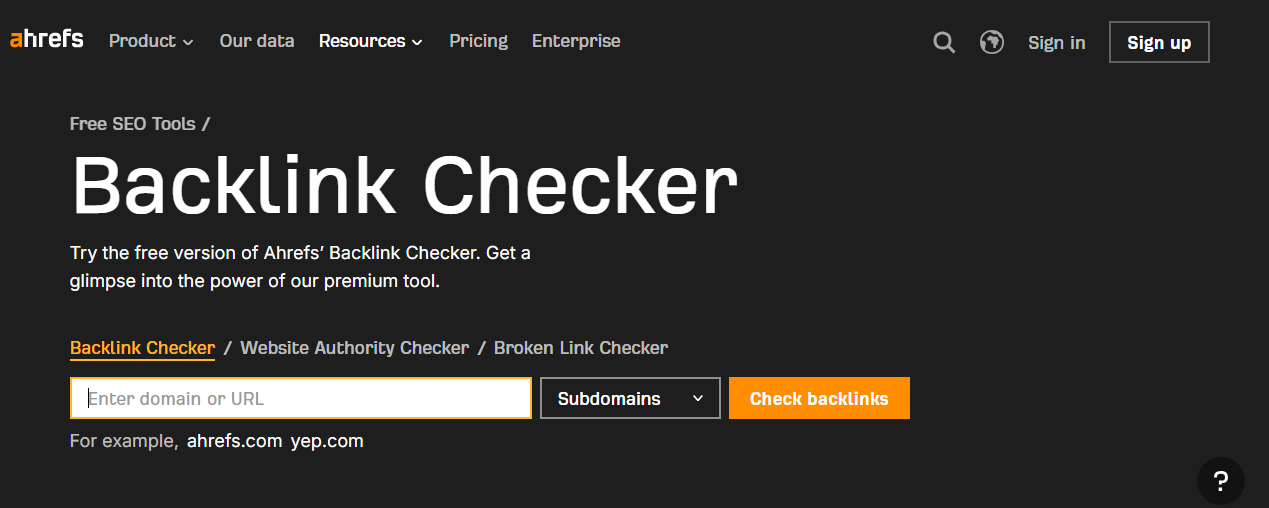
Enter a competitor's website into the tool and export their backlink report. Focus on useful information such as referring domains, anchor text, linked pages, domain authority metrics, and the source URL of each backlink.
At this stage, do not worry about reviewing every single link. Large websites can have thousands of backlinks. Instead, gather the data so you can start looking for patterns later.
It is also helpful to export data for more than one competitor. When you compare several backlink profiles side by side, opportunities become much easier to spot.
Think of this step as gathering evidence. The more complete your data is, the easier it becomes to understand how competitors are earning links and which tactics are helping them rank.
#3: Find Their Most Linked Pages
Not every page on a website attracts backlinks. In most cases, a small number of pages earn the majority of links. Look at your competitor's "Top Pages" or "Best by Links" report in your SEO tool. This will show which pages have attracted the most backlinks over time.
Pay close attention to what those pages have in common. You may notice that guides, statistics pages, research studies, industry reports, free tools, or helpful resources receive the most links.
For example, if multiple competitors have link-heavy guides on the same topic, that is a strong signal that people in your industry like linking to that type of content.
This step helps you understand what actually earns links instead of guessing. Rather than creating content based on assumptions, you can see real examples of pages that have already attracted backlinks and use those insights to plan better content for your own website.
#4: Analyze Where Their Best Links Come From
Once you know which pages attract backlinks, the next step is finding out where those links come from.
Look through the websites linking to your competitors and pay attention to the quality of those links. Some may come from industry blogs, news websites, resource pages, business directories, podcasts, or expert roundups.
Try to understand why the link was given.
- Was the competitor mentioned as an expert?
- Did they contribute a guest post?
- Were they included in a list of recommended companies?
- Did a journalist quote them in an article?
When you know how competitors earned their best backlinks, you can start finding similar opportunities for your own website. This gives you a much clearer path than sending random outreach emails and hoping someone links to you.
#5: Look for Link Building Patterns
One backlink does not tell you much. Patterns tell you everything. As you review competitor backlinks, look for things that happen repeatedly. You may notice that several competitors are getting links from the same type of websites. You might also see repeated appearances in industry blogs, listicles, podcasts, business publications, or journalist quotes.
For example, if a competitor keeps earning mentions from media websites, there is a good chance they are actively doing digital PR or responding to journalist requests. If they appear on many "best service providers" articles, they may be investing in listicle placements.
You should also pay attention to anchor text patterns and the types of content earning links. The purpose of this step is to uncover the strategy behind the backlinks. Once you understand the pattern, you can often repeat the process instead of chasing links one by one.
#6: Find Link Opportunities They Have That You Don't
This is often the most valuable part of competitor research. Use a Link Gap or Link Intersect tool to compare your website against your competitors. These tools show websites that link to your competitors but do not link to you.
In many cases, you will find dozens or even hundreds of opportunities. Since these websites have already linked to businesses similar to yours, they are usually much easier to approach than completely new prospects.
Do not try to contact every website at once. Start by reviewing the list and removing low-quality or irrelevant sites. Focus on websites that are related to your industry and have real traffic.
Next, organize opportunities by type. Some may be guest post opportunities, while others may be resource pages, directories, expert roundups, or media mentions.
Wrap Up
Reverse engineering a competitor's link building strategy helps you stop guessing and start making better decisions. You can see which pages are earning links, where those links are coming from, and what kind of outreach is working in your industry.
So start with the links that are relevant, trusted, and realistic to earn. Over time, this can help you build a stronger backlink profile, improve your rankings, and find opportunities your competitors are already using.
FAQs
1. What is competitor backlink analysis?
Competitor backlink analysis is the process of reviewing the websites, pages, and sources that link to your competitors. It helps you understand how they earn backlinks and uncover link opportunities that could also help improve your own website's visibility.
2. Which tool is best for analyzing competitor backlinks?
Tools like Ahrefs, Semrush, and Ubersuggest are commonly used for backlink research. They can show referring domains, anchor text, linked pages, and other details that make competitor analysis much easier.
3. How many competitors should I analyze?
Most websites can get useful insights by analyzing three to five competitors. This gives you enough data to spot trends and opportunities without creating too much information to review and organize.
4. Should I try to copy every backlink my competitor has?
No. Some backlinks may not be relevant to your business or may not provide much value. Focus on high-quality, relevant links and look for patterns that can help you build a stronger and more natural backlink profile.
5. How often should I review competitor backlinks?
Checking competitor backlinks every few months is usually enough for most websites. Regular reviews can help you discover new opportunities, track changes in competitor strategies, and stay aware of link-building trends in your industry.