



Is a press release useful for keywords or page rank? This is a question many businesses and marketers ask when planning their SEO strategy.
Press releases are no longer just about sharing company news, they now play a bigger role in how your brand shows up online. While they don’t guarantee instant rankings, they can strengthen your SEO in ways you might not expect.
In this blog, we’ll cover how press releases support both keywords and page rank, and why they still matter in today’s search landscape.
What is the Role of Press Releases in SEO?
Press releases have undergone significant changes over the years. They were originally primarily used by journalists and newspapers, but now they also have a strong presence in digital marketing.
In SEO, a press release is more than just a piece of company news, it’s a tool that helps your brand get noticed in search engines. In fact, data shows most businesses are using digital PR today as a way to get SEO benefits; i.e getting backlinks from top media sites and niche relevant sites.
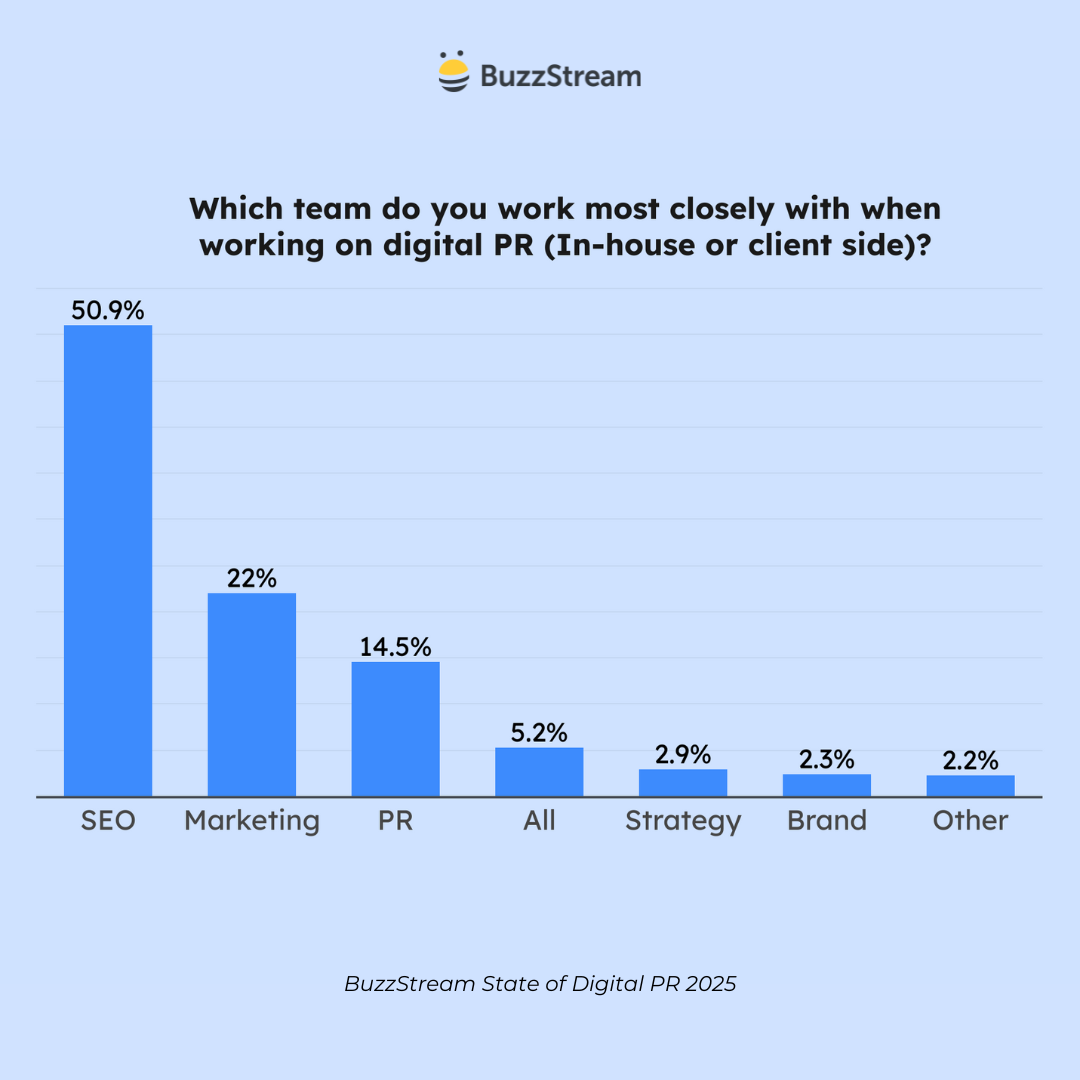
Credit: BuzzStream
From my experience, a well-written press release can do two things at once: it shares your story with the public and also creates signals that search engines pick up.
When your release gets published on trusted sites, it spreads your message to a wider audience and shows Google that your brand is worth paying attention to.
Think of it as a bridge between your marketing and your SEO. You’re not only talking to people who care about your news, but you’re also giving search engines more reasons to recognize your website. This balance is what makes press releases still relevant.
How Press Releases Help With Keywords
When it comes to SEO, keywords are still at the heart of every strategy. A press release gives us another way to place those keywords in front of both people and search engines.
Keyword Distribution
One of the biggest advantages of a press release is how widely it spreads. Once published, it can appear on our own site and also get picked up by different news outlets. This creates multiple chances for our chosen keywords to show up across the web. Instead of relying on a single page to rank, we’re giving Google several entry points that include our target terms.
This type of keyword distribution can make a noticeable difference, especially for competitive phrases.
Brand-Related Terms
Press releases also help with branded search optimization. When someone looks up our company name or a related term, it’s powerful to see more than just our homepage in the results. A well-optimized press release can claim one of those spots, which pushes our brand further up and gives us more visibility. Over time, this builds trust and makes our brand harder to miss online.
Featured Snippets
There’s also the chance of landing in Google snippets. If we structure a press release properly—using clear headings, concise answers, and relevant keywords—it can appear directly in search results. =
How Press Releases Help With Page Rank
Page rank is still one of the strongest signals that tells search engines how important a website is. Press releases don’t directly raise page rank overnight, but they play an important role in creating the right conditions for it to grow.
High-Quality Backlinks
One of the main benefits we see from press releases is backlink building. When our release gets picked up by respected publications or industry sites, it often includes a link back to our website. These authority backlinks pass link equity and signal to Google that our site can be trusted. The more relevant and credible the source, the stronger the impact on page rank.
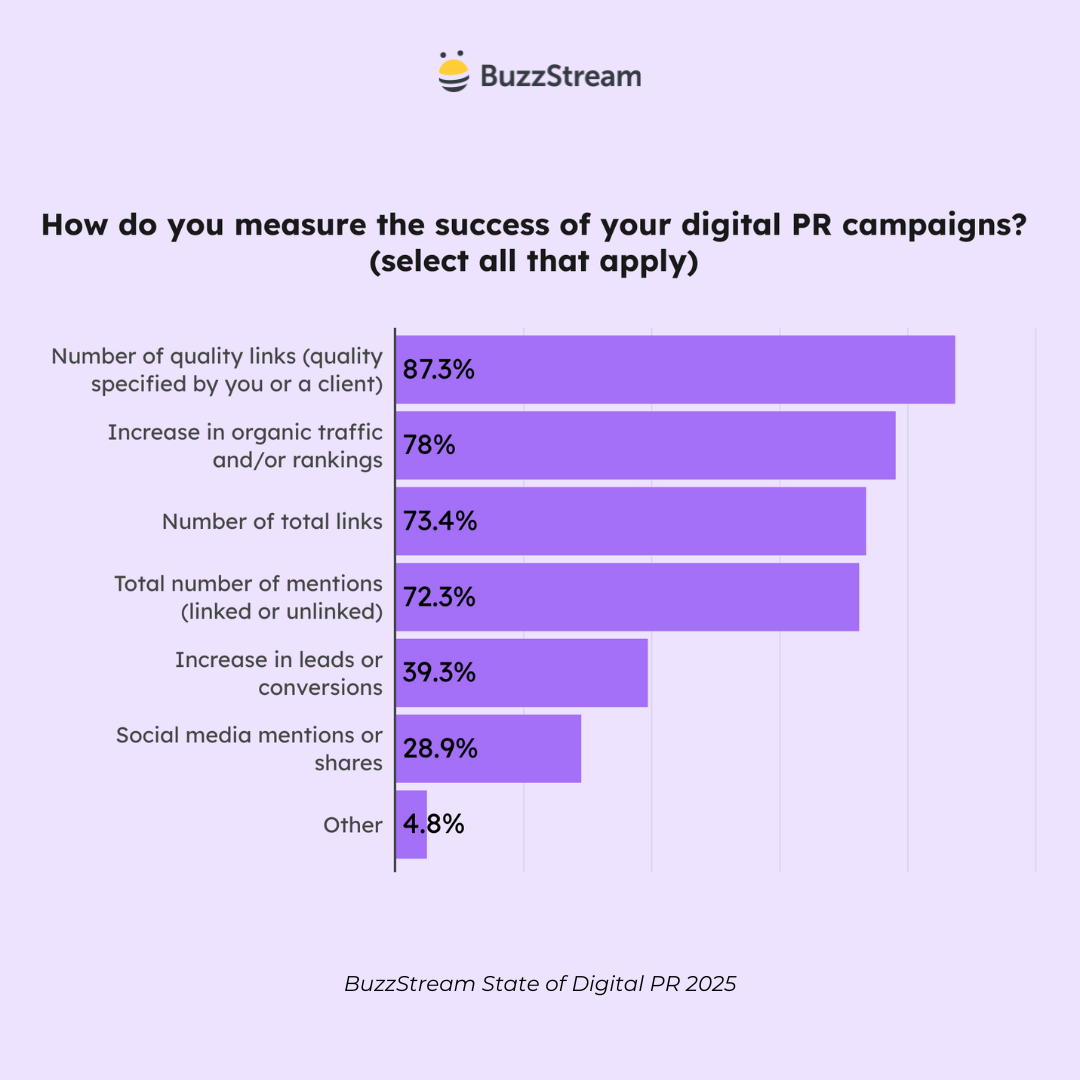
Credits: BuzzStream
Increased Brand Authority
Press releases also help us build authority beyond just links. When our content is featured on well-known sites, it tells search engines that our brand carries weight in the industry. This boost in authority supports our overall SEO performance and makes it easier for our pages to rank for competitive keywords.
Brand Mentions
Even when there isn’t a direct backlink, press releases often lead to brand mentions. These mentions across the web still count as positive signals. They show Google that our brand is active, visible, and being talked about, which strengthens reputation and trust in the long run.
Accelerated Indexation
Another useful benefit is faster indexing. Because press releases are distributed across multiple platforms, search engines find and crawl our content more quickly. This helps new pages on our site get discovered and ranked sooner, which is a real advantage when timing matters.
Referral Traffic
On top of all this, press releases drive referral traffic. Readers on news sites who click through to our website are often highly interested in what we offer. This kind of qualified traffic increases engagement and supports our SEO, since search engines value websites that attract and keep real visitors.
Best Practices for Using Press Releases in SEO
To get the most out of a press release, approach it with a clear SEO strategy in mind. Simply writing an announcement and sending it out isn’t enough—we have to make sure it works for both readers and search engines.
The first step is keyword placement. We always use our target keywords in a natural way, focusing on headlines, subheadings, and the first few lines of the release. This not only makes the content more search-friendly but also helps readers immediately understand what the news is about.
Linking is another area we pay close attention to. Every press release should include links back to relevant pages on our site, whether that’s a product page, a service, or a blog post with more details.
These links guide readers to where we want them to go and give search engines a stronger connection between our content and the topic we’re ranking for.
We also treat formatting as part of the optimization. Short paragraphs, clear subheadings, and an easy-to-follow structure make the release more engaging and help search engines understand the key points. Adding quotes, stats, or data makes the release more credible and shareable.
Wrap Up
So, is a press release useful for keywords or page rank? The answer is yes—but indirectly and strategically.
Press releases support keyword distribution, bring in quality backlinks, build brand authority, and help search engines notice your content faster. They’re not a magic trick, but when done right, they can be a powerful part of an SEO plan.
Ready to boost your reach? Let us help you share your story and strengthen your online presence. Get in touch today to begin!
FAQs
Are press releases good for SEO?
Yes, press releases can support SEO when used the right way. A well-written release with the right keywords and links can get picked up by search engines and other websites. This creates keyword-rich links and helps strengthen your site’s visibility online.
Do press releases count as backlinks?
Press releases can generate backlinks when published on credible sites, and these links are valuable for SEO. Along with backlinks, they also bring brand mentions, citations, and faster indexation, all of which improve visibility and authority.
Are press releases useful?
Press releases are a smart way to build credibility and trust. By sharing accurate news regularly, businesses—especially start-ups and small companies—can attract attention from journalists, customers, and potential partners.
How to use press releases in SEO?
To make a press release work for SEO, optimize it like any other page. Use your target keywords in the headline, subheadings, and body, add relevant links, and keep the structure clear. This makes it easier for search engines to index and rank your release.
Are press releases considered marketing?
Yes, press releases are one of the most widely used marketing tools. They allow businesses to formally announce news or updates directly to the public, instead of waiting for media coverage, making them an effective way to share important information.


.png)
.png)

