Buying backlinks can feel confusing, especially when every seller claims their links are high quality. One person offers a backlink for $50. Another asks for $500. Both promise great results, but the reality is that not all backlinks are worth paying for.
Many website owners make decisions based on price, Domain Rating, or whatever looks good in a spreadsheet. Later, they discover the website gets no real traffic, publishes low-quality content, or links out to hundreds of unrelated businesses.
A backlink is an investment, and like any investment, it helps to ask a few questions before spending money.
In this blog, we’ll share what to ask before buying backlinks.
Website Relevance
Before buying a backlink, check whether the website is related to your industry. A backlink from a website that talks about topics close to your business usually makes more sense than a link from a random site that publishes anything for money.
For example, if you run an SEO agency, a marketing blog, business website, or SaaS blog will usually be a better fit than a site about pets, food, or travel. The link should feel natural on the page. If someone reads the article, they should understand why your website is being mentioned.
Relevance also helps you avoid weak placements. A high-DR website may look good, but if the topic has nothing to do with your business, the value can be limited. A lower-DR but highly relevant website can sometimes be more useful because the link fits the content better.
Real Organic Traffic
A website can show a strong Domain Rating but still get almost no real visitors. That is why traffic should be one of the first things you check before buying a backlink. If a site gets steady organic traffic from Google, it is usually a sign that the website is still active and has some trust.
You do not need the site to have millions of visitors. But it should have real traffic, real pages ranking, and signs that people actually visit it. A backlink from a site nobody reads may look nice in a report, but it may not help much in real life.
Also check the traffic trend if you can. If the site had traffic before but dropped badly, that can be a warning sign. You want links from websites that are healthy, active, and still getting search visibility.
Content Quality
Before paying for a backlink, read a few recent articles on the website. This simple step can save you from a bad placement. Good websites usually publish content that is clear, useful, and written for real readers. The articles should have a proper flow, clear points, and information that actually helps someone.
Content quality also matters because people trust brands through the content they see. According to a research 81% of marketers reported that content marketing helped them create brand awareness.
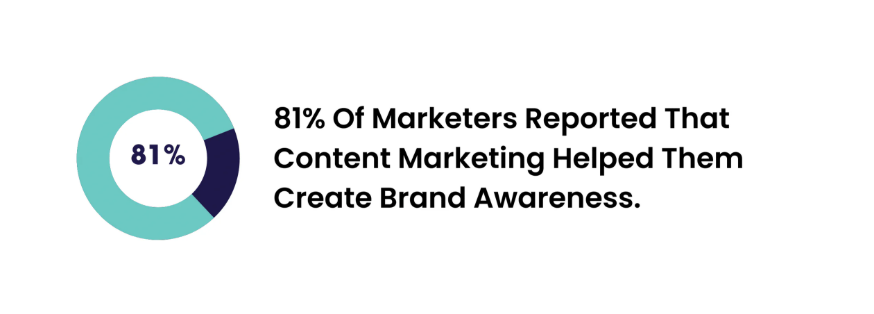
So if your backlink appears inside weak, rushed, or messy content, it may not give your brand the same value.
Weak websites often publish posts with random topics, thin content, and too many links. You may see articles that feel copied, poorly written, or created only to place backlinks. If the content looks bad, the backlink may not carry much value either.
Editorial Standards
A website's editorial standards can tell you a lot about the quality of a backlink opportunity. Before buying a placement, look at how the site handles its content.
- Does it have clear categories, author profiles, and well-organized articles?
- Does it seem like it publishes anything that comes its way?
Many websites accept guest posts, which is completely normal. The difference is that quality websites still review content before publishing it. They care about accuracy, readability, and whether the article fits their audience.
A site that publishes every topic imaginable without any quality control is often a warning sign. Today it may publish an SEO article, tomorrow a casino post, and the next day a cryptocurrency promotion. That kind of website can lose trust over time.
Outbound Link Profile
Before buying a backlink, take a look at the other websites being linked to. This is one of the easiest checks you can do. Open a few recent articles and see where the external links are going.
If the website links to relevant businesses, useful resources, and trusted sources, that is usually a positive sign. But if every article is packed with paid links to unrelated industries, you should be careful.
For example, if one article links to a law firm, another links to a gambling site, another promotes loans, and another promotes crypto projects, it may suggest the site is focused more on selling links than helping readers.
The goal is to find websites that link out naturally and selectively. A clean outbound link profile often shows that the publisher is more careful about the websites they choose to mention.
Page Indexing
A backlink cannot do much if the page it sits on is not indexed by Google. That is why checking indexing should be part of your review process before buying any placement.
Many people focus on traffic and Domain Rating but forget to check whether Google is actually showing the website's pages in search results. If a site struggles to get content indexed, it may be a sign that Google does not trust it as much as it once did.
You can also look at some of the website's recent articles. If newer content regularly appears in Google, that is usually a healthy sign. If many pages are missing from search results, it deserves a closer look.
Paying for a backlink on a page that Google never indexes can turn into wasted money, no matter how strong the website looks on the surface.
Final Thoughts
Buying backlinks should never be a rushed decision. A backlink may look good because of its DR or price, but those numbers do not tell the whole story. Taking a few minutes to check relevance, traffic, content quality, indexing, and the overall website can save you a lot of money and frustration later.
A strong backlink should come from a site that feels real, active, and connected to your industry. If the website publishes weak content, links to random businesses, or gets no real traffic, it is usually better to walk away.
When you ask the right questions before buying, you make safer choices and avoid wasting your budget on links that only look good on paper.
FAQs
1. How do I know if a backlink is worth buying?
A backlink is usually worth considering when it comes from a website that is relevant to your industry, publishes quality content, gets real traffic, and has indexed pages in Google. Looking at several factors together gives a much clearer picture than relying on DR alone.
2. Is Domain Rating enough to judge backlink quality?
No. Domain Rating can be helpful, but it should never be the only thing you check. A website may have a strong DR while receiving little traffic or publishing poor content. Always review relevance, traffic, content quality, and the overall health of the website before buying.
3. Why does website relevance matter when buying backlinks?
Relevance helps create a natural connection between your website and the page linking to you. A backlink from a website that covers topics related to your business often makes more sense than a link from a completely unrelated website, even if that site has stronger metrics.
4. Should I avoid websites that sell a lot of backlinks?
It is worth being careful. If a website links to dozens of unrelated businesses and publishes content mainly to sell placements, the quality of those backlinks may be lower. Reviewing recent articles and outbound links can help you spot websites that prioritize sales over quality.
5. What is the biggest mistake people make when buying backlinks?
One of the most common mistakes is choosing backlinks based only on price or DR. Many buyers skip basic checks such as traffic, content quality, indexing, and relevance. Spending a little time reviewing these factors can help you avoid poor placements and wasted budget.