.png)
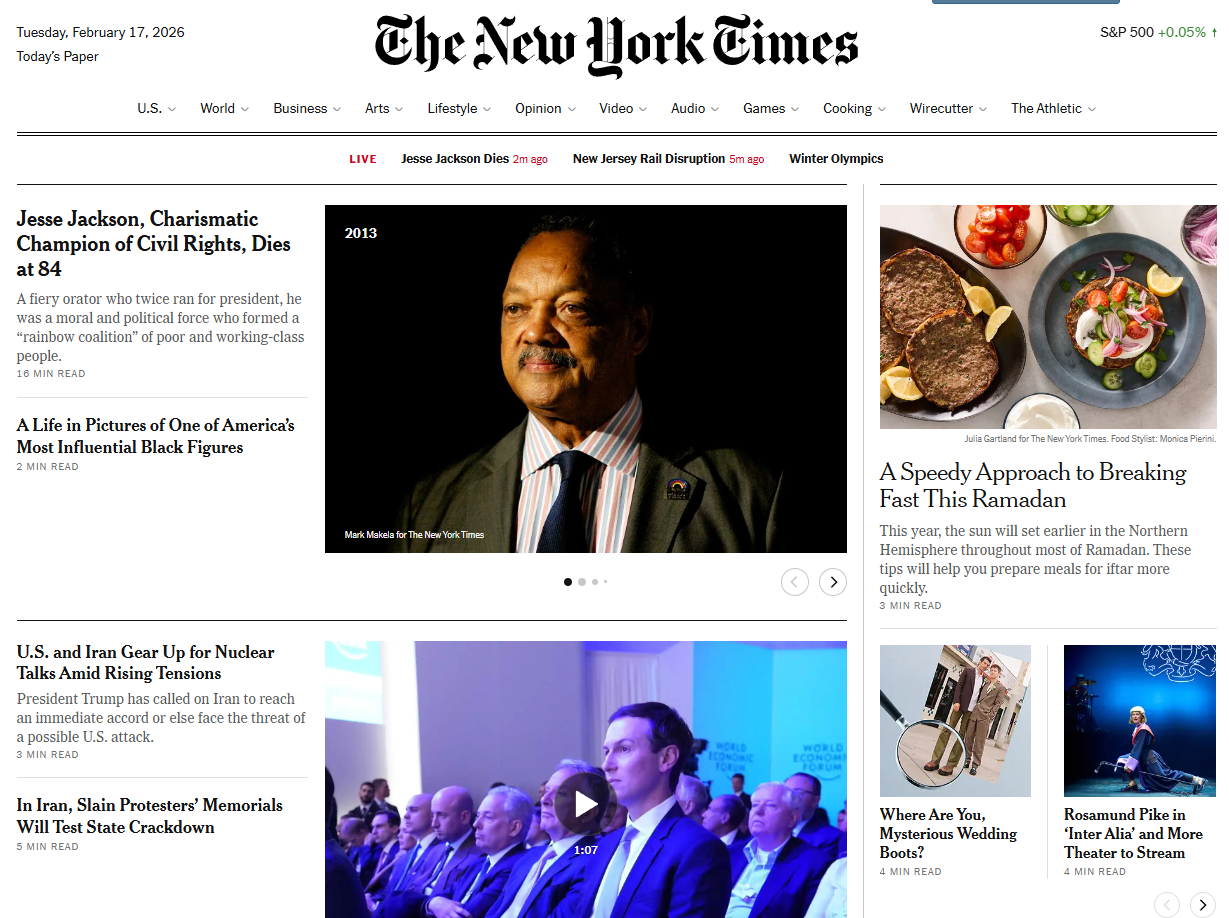
Getting featured in The New York Times is not easy. They don’t quote people randomly. Their journalists are careful about who they include, because their stories influence millions of readers. When someone is quoted in The New York Times, it signals trust. It shows that person understands the topic and can offer useful insight.
Most people never get this opportunity because they try the wrong approach. They send cold emails, promote their company, or share generic opinions. Journalists ignore these because they are not useful for the story.
HARO changes this. It gives you access to journalists who are actively looking for expert input. Instead of trying to get their attention, you respond when they ask for it.
In this guide, we’ll share how you can get featured in The New York Times using HARO.
#1. Focus on Queries Where Your Real Experience Adds Context
The New York Times often covers stories that explain why something is happening, not just what is happening. Their journalists look for people who can add real-world context to a trend. This is where most HARO users fail. They share general advice instead of explaining what they have personally seen.
For example, if the query is related to AI changing hiring, do not explain what AI is. Instead, explain what you have noticed. Are companies hiring differently? Are certain roles being replaced or created? Are there unexpected problems? These real observations help journalists explain the story better.
Before replying, ask yourself one question: does your answer help explain something readers would not already know? If the answer is yes, it is worth sending.
The New York Times values insight that comes from experience. Journalists want perspective from people working directly in the field, not surface-level opinions anyone could give.
#2. Match the Angle of the Story, Not Just the Topic
Many people respond to HARO queries just because the topic sounds familiar. But topic alone is not enough. You also need to match the angle of the story. The New York Times often writes about impact — how trends affect jobs, businesses, people, or daily life.
For example, a query about remote work may not be asking whether remote work is good or bad. It may be asking how it is changing team productivity, hiring patterns, or company structure. If your response misses that angle, it becomes less useful.
Read the query carefully and understand what the journalist is trying to learn. Are they looking for challenges, benefits, risks, or unexpected outcomes? Shape your response around that.
Journalists use sources who help them explain the story clearly. When your response directly supports the angle they are writing about, your chances of getting quoted increase significantly.
#3. Explain Changes and Patterns, Not Just Opinions
The New York Times often quotes sources who can explain patterns they are seeing over time.
They are less interested in one-time opinions and more interested in trends. This is your opportunity to share what you have consistently observed.
For example, instead of saying “AI is helping businesses work faster,” explain what has actually changed. Are projects completing faster? Are teams smaller? Are companies making different decisions? Specific patterns make your response stronger.
This works because journalists are trying to help readers understand what is changing and why. When you explain patterns, your insight becomes more valuable and easier to include.
Think of your response as helping the journalist connect the dots. When you show clear change based on real experience, your quote becomes more credible and more likely to be used.
#4. Make Your First Two Sentences Strong and Direct
Journalists at The New York Times review many HARO responses. They often scan replies quickly to see which ones are useful. This means your first two sentences matter the most. If your response starts with a long introduction or background, it can lose attention.
Start with the insight immediately. For example, explain what is changing, what you have noticed, or what most people misunderstand. This helps the journalist quickly see the value of your response.
Avoid starting with phrases like “In my opinion” or “At our company.” Go straight to the point. Once you share the insight, you can briefly mention your role and experience at the end.
Clear and direct responses are easier to use. Journalists prefer quotes that explain something quickly and naturally, without extra editing or clarification.
#5. Use Simple Language That Readers Can Understand
The New York Times writes for a broad audience. Their readers include professionals, business owners, and everyday people. This means journalists prefer quotes that are easy to understand, even for someone unfamiliar with the topic.
Avoid technical terms, internal jargon, or overly complex explanations. Instead, explain things in plain language. Imagine you are explaining the topic to someone outside your industry.
Simple explanations are more useful because they help readers understand the story. Journalists often select quotes that make their article clearer, not more complicated.
If your insight is strong but difficult to understand, it may not be used. Clarity makes your response more valuable and increases your chances of getting featured.
#6. Stay Relevant to What Is Happening Right Now
The New York Times focuses heavily on current trends and timely developments. Journalists are usually working on stories connected to recent changes, emerging risks, or new behaviors. Responses that explain current shifts are more useful than general advice.
For example, if there is growing concern about AI replacing certain roles, explain what you are seeing now. Are companies slowing hiring? Are roles changing? Are new problems appearing? Recent, real-world insight helps journalists explain ongoing changes.
This also shows that you are actively involved in the field and aware of what is happening today.
Journalists prefer sources who can explain present-day developments, not just general concepts. When your response reflects what is happening now, it becomes far more relevant and useful.
Wrap Up
Getting featured in The New York Times becomes possible when you focus on being useful, not promotional. HARO gives you access to journalists who are already looking for expert input. Your role is to help them understand what is happening through real experience and clear explanation.
Strong responses come from people who share honest insight, explain real changes, and stay relevant to the topic. Journalists remember sources who make their job easier and help them explain stories better.
It may take time, but consistency makes a big difference. One good response can lead to future opportunities. Many experts get featured simply by sharing the right insight when journalists are actively looking for it.
FAQs
1. How HARO helps NYT features?
HARO connects you directly with journalists who are actively looking for expert sources. This removes the need for cold outreach. When a New York Times journalist posts a query, they need insight quickly. If your response is clear, useful, and relevant, they may include your quote in their article.
2. Do journalists accept promotional responses?
No, promotional responses are usually ignored. Journalists are not looking to promote companies or services. They want insight that helps explain a topic or trend. Responses that focus on sharing experience, observations, or useful explanations are much more likely to be used than responses focused on marketing.
3. What makes HARO response successful?
Successful responses are clear, specific, and based on real experience. Journalists prefer insight that explains something happening in the real world. Avoid generic advice. Instead, share what you have personally seen, learned, or noticed. This makes your response more useful and increases the chance of getting quoted.
4. How quickly should you respond?
You should respond as early as possible after the query is published. Journalists often review early responses first and select sources quickly. Waiting too long reduces your chances, even if your insight is strong. Checking HARO regularly and replying early improves visibility and increases the likelihood of being selected.
5. Can beginners get featured NYT?
Yes, beginners can get featured if they provide useful and relevant insight. Journalists care more about the value of your response than your popularity. If you have real experience and explain something clearly, you can be included. Many experts get their first media feature simply by responding helpfully.

![How to Pitch an Opportunity on Qwoted: A Comprehensive Guide [Link Building]](https://cdn.prod.website-files.com/66212eff7fb83b815e147071/6634c9e45af10f24b00fbbda_65eeae61ca00890dd4224727_Qwoted-White.png)
.png)