



HARO has been part of digital PR for a long time. For many brands, it was the easiest way to get quoted in well-known publications without hiring a full PR agency. You answered a reporter’s question, and if your response was good, you got mentioned. Simple.
That simplicity doesn’t exist anymore. In 2026, HARO is crowded, competitive, and very different from what it used to be. Reporters get flooded with replies. Brands spend hours pitching and often hear nothing back.
This report looks at what’s really happening with HARO today and how brands are using it as part of their PR efforts. We’ll cover how usage has changed, what results look like now, and where HARO still fits.
Key Stats & Benchmarks
HARO continues to be a widely used tool, connecting over 1 million sources with about 75,000 journalists looking for expert quotes. Each day, the platform sends out three email digests, with 50–100 queries across more than 100 categories, ranging from business and tech to health and lifestyle.
With so many queries, it’s no surprise that competition is high, which makes it important to target the right ones.
When it comes to success rates, most experienced contributors see about a 10–20% chance of a pitch being picked, meaning roughly 1 in 5 to 1 in 10 responses leads to a placement. Some queries receive 100–300 replies, so standing out is crucial.
Timing also matters. Pitches sent within the first hour of a query being released can perform up to 50% better than slower responses. Still, roughly 80% of pitches are rejected because they are either off-topic or too promotional.
HARO placements are not just about being quoted — they also carry SEO value. Many backlinks from HARO come from sites with Domain Ratings of 50 or higher, giving both credibility and authority to your brand. Around 43% of marketers report using HARO as a core part of their SEO and link-building strategy, showing that the platform still has tangible benefits when used wisely.
However, HARO does require time and effort. Contributors spend 25–35 minutes per day reviewing queries and crafting responses, and about half of users report spending over five hours a week on pitches. This makes it clear that while HARO can be valuable, consistent and focused effort is necessary to get results.
What Works in HARO (Best Practices)
Success with HARO today comes down to being selective and useful. The biggest mistake brands make is replying to everything. Instead, focus only on queries where you truly have experience or insight. If you’re forcing a fit, reporters can tell and those pitches get ignored.
Speed matters, but clarity matters more. Try to respond as soon as you can, ideally within the first hour, but don’t rush out a messy reply. Journalists want answers they can use right away. Start by directly answering the question in the first few lines. If they have to scroll to find your point, you’ve likely lost them.
Keep your response short and easy to scan. Long explanations don’t help. Aim for a few tight paragraphs or bullet points that clearly explain your idea. If possible, include one specific example, data point, or real-world insight. This makes your response feel credible and quotable.
Tone also plays a big role. Write like a human, not like a press release. Avoid marketing language, brand slogans, or self-promotion. Reporters aren’t looking to advertise you—they’re looking for insight. A calm, helpful tone works far better than trying to sound impressive.
Credentials should be brief and relevant. One line explaining who you are and why you’re qualified is enough. Don’t overload the pitch with your full bio or company story. Let your answer do most of the work.
Plus, consistency beats volume. Sending 5–10 strong, well-matched pitches per week often works better than sending 50 generic ones. Track which types of queries respond well to your input and double down on those.
Best HARO Alternatives
Here are some best HARO alternatives.
1. Qwoted

Qwoted is one of the most widely cited alternatives to HARO today. Compared to the old HARO model, it prioritizes real-time journalist requests and lets you work from a dashboard instead of sifting through crowded inbox emails.
You can start with a free plan that allows about 2–3 pitches per month, but most serious users upgrade to paid plans around $99–$149/month for unlimited pitching, real-time alerts, and advanced filters. Journalists on Qwoted range from niche writers to contributors for well-known outlets, and the platform lets you build a searchable expert profile that journalists can find directly. This often means higher placement chances than generic email blasts.
2. SourceBottle

SourceBottle has been operating for years and remains one of the most cost-effective options. It sends daily email alerts with journalist and blogger requests across categories like business, tech, lifestyle, and health. The basic plan is free forever, giving you access to calls and alerts.
If you want enhanced visibility or an expert profile, paid plans start as low as about $5.95/month, and higher tiers go up to around $65–$130/month for agencies. While it’s especially strong in Australia, New Zealand, and UK markets, international brands still find value because the opportunities are more focused and less crowded than old HARO blasts.
3. Editorielle
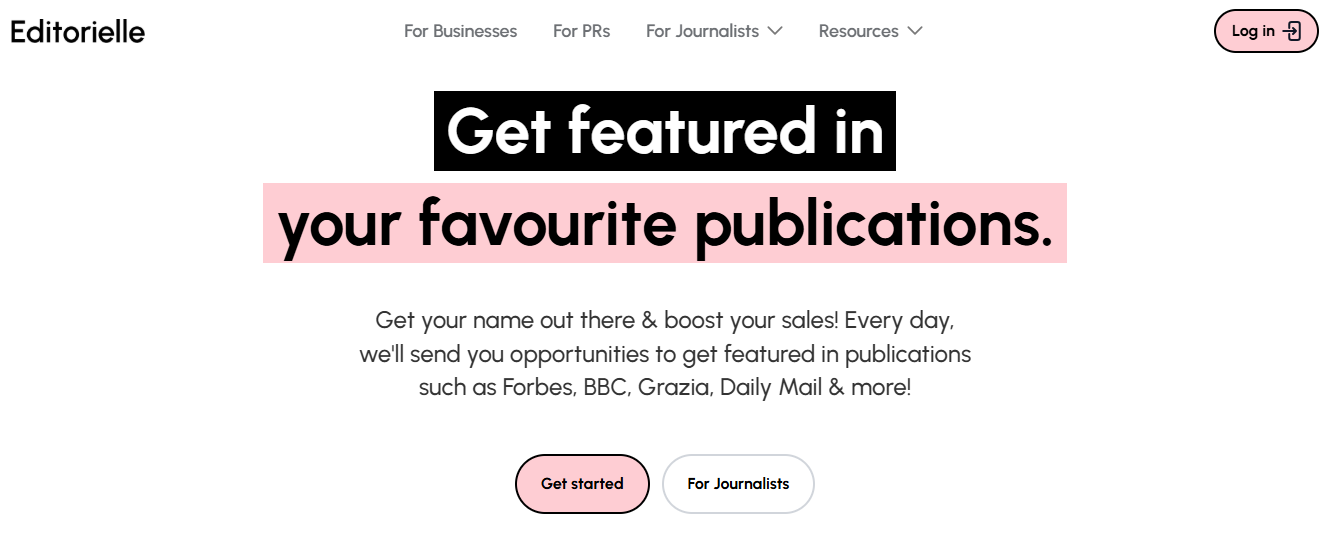
Editorielle takes a more curated approach compared to HARO’s mass inbox model. While it doesn’t release broad usage numbers online like some larger platforms, its core strength is that it filters and categorizes journalist requests based on your expertise, helping reduce noise and irrelevant pitches. This means you’re more likely to see opportunities that actually match your niche instead of scanning hundreds of unrelated queries.
Many PR pros appreciate how Editorielle emphasizes quality over volume, making it a solid choice if you want to build lasting media relationships rather than just chase one-off mentions.
Conclusion
There’s no single platform that works for everyone anymore. HARO can still be useful, but it’s no longer the only option or always the best one. Tools like Qwoted, SourceBottle, and direct editorial outreach give brands more ways to reach journalists without fighting the same crowded inbox every day.
What matters most is how you use these platforms. Brands that get results don’t chase every opportunity. They choose the channels that fit their goals, budget, and team size. Some focus on fewer, high-quality pitches, while others mix platforms to spread their chances.
If you don’t have the time to manage this yourself, we can help you. We help brands get featured on top media sites using HARO and proven digital PR strategies. Contact us today to get started.
FAQs
1. What replaced HARO after its closure?
Several platforms stepped in after HARO shut down, including Featured, Press Hook, Qwoted, and Source of Sources. These tools focus more on relevance, quality matches, and long-term media relationships.
2. Is HARO still worth using in 2026?
HARO is no longer active, so brands now rely on alternative platforms and direct digital PR outreach to secure media coverage.
3. Which HARO alternative works best for brands?
It depends on your goals. Featured is great for expert-led visibility, Qwoted focuses on quality connections, and Press Hook works well for proactive storytelling.
4. Can small brands benefit from digital PR without HARO?
Yes. Many newer platforms are built for small teams and founders, making it easier to pitch journalists directly and build authority over time.
5. How can brands improve success with digital PR in 2026?
By pitching selectively, staying authentic, building journalist relationships, and tracking results instead of focusing only on links or mentions.

.png)

.png)

