People don’t click links like they used to. Now they ask a question and get a straight answer from AI tools. These pull information from places they already trust. And HARO fits into this more than most brands realize.
HARO has always helped brands get mentioned in trusted media. Today, those same mentions also feed into AI systems. When a journalist quotes your brand in an article, AI can pick up that quote and show your brand in answers. This is what many people now call HARO AI — using HARO placements to improve visibility in AI-powered search results.
In this blog, we’ll explain how brands can use HARO to improve their chances of showing up in AI search results.
How AI Search Engines Choose Sources
AI search engines, like Google’s AI answers, ChatGPT, or Perplexity, don’t just pull random links. They look for trusted sources that provide accurate, clear, and relevant information. These systems try to understand who knows what, which is why certain brands and experts keep appearing in AI answers while others don’t.
One of the biggest factors is authority. AI favors sources that have been cited multiple times across trusted websites, like major news outlets, industry blogs, or verified publications. In fact, recent analysis shows that about 61% of the signals that inform AI’s understanding of brand reputation come from editorial media sources.
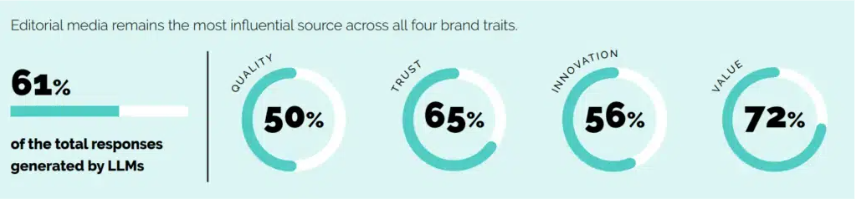
This shows why being quoted in articles through HARO matters—not just for traditional PR or SEO, but because those mentions feed into the AI systems themselves.
Relevance is another key factor. AI looks for sources that consistently cover a specific topic. For example, if your brand is quoted multiple times about small business marketing or tech tools, AI is more likely to recognize your brand as an expert in that area. Sporadic mentions on unrelated topics don’t carry the same weight.
AI also values clarity and usefulness. Quotes that are short, direct, and easy to understand are more likely to be included in AI-generated answers. Long-winded or overly promotional content is often ignored, even if it’s from a high-authority site.
Plus, recency matters. AI search engines favor sources that are up-to-date, so getting recent HARO placements helps your brand appear in current AI responses rather than outdated ones.
Types of HARO Coverage That Help AI Search
Here are types of HARO coverage.
1. Expert Quotes
The most effective HARO coverage for AI is clear, concise expert quotes. AI systems often pull direct statements from trusted sources to answer questions. Short, actionable insights — like a one-sentence tip, statistic, or real-world example — work far better than long, vague explanations.
The goal is to give the reporter something they can immediately use, which in turn makes it more likely AI systems will notice and reference your brand. Consistency in providing useful insights builds authority over time.
2. Mentions on High-Quality Sites
Where your brand appears matters as much as what is said. Mentions on well-known publications, industry-leading blogs, or reputable trade outlets carry more weight than quotes on lesser-known sites.
Even without a direct backlink, being referenced in trusted media signals authority. AI systems scan these high-quality sources for credible information, meaning your brand is more likely to be cited in AI-generated answers if it appears consistently on respected platforms. Prioritize quality over quantity for the best impact.
3. Topic Consistency
AI learns patterns from repeated mentions. If your brand is regularly quoted on a particular topic — like digital marketing, SaaS tools, or health advice — AI starts associating your name with that subject. Sporadic mentions across unrelated topics don’t build the same authority.
By focusing on 2–3 core areas and consistently providing useful insights, your brand can gradually become a recognized expert in AI systems’ understanding. Consistency helps your quotes stand out and improves the chances that AI will pull your brand into answers on that topic.
4. Clear and Useful Language
How you phrase your responses matters. AI favors straightforward, easy-to-read content. Responses that explain a concept clearly, provide step-by-step advice, or share actionable tips are more likely to be reused in AI answers.
Avoid marketing jargon, self-promotion, or overcomplicated language. The simpler and more helpful your response, the higher the chance it will be picked up, not just by the reporter, but eventually by AI systems referencing trusted content. Focus on giving value first.
Conclusion
Getting noticed in AI search doesn’t mean sending a lot of HARO pitches. The brands that actually get picked focus on clear, helpful answers that journalists can use. Short quotes, repeated mentions in your topic, and coverage on trusted sites work best.
This is what HARO AI is all about — using HARO get mentioned and help AI see your brand as an expert. When your answers are useful and easy to understand, both reporters and AI notice you.
But focus on value, not volume. Pick a few topics, give clear answers, and aim for good publications. Over time, these mentions help your brand show up in AI results naturally.
If you want to speed up the process, we help brands land high-quality media coverage and backlinks from trusted sites using HARO. Reach out to us today and get featured where it counts.
FAQs
1. What is HARO, and how does it help with AI search visibility?
HARO (Help a Reporter Out) connects brands with journalists seeking expert insights. By securing placements in reputable publications, your content can be recognized and cited by AI search algorithms, improving visibility and credibility.
2. How can I make my HARO pitches more likely to be used by AI?
Focus on concise, structured, and data-rich pitches. Use bullet points, short paragraphs, and directly answer the journalist’s question. Unique insights and quotable statements make your content easier for AI to extract and reuse.
3. Why are high-authority publications important for AI search?
AI models and search engines trust content from established sources. Getting featured in top-tier outlets like Forbes or The New York Times increases your chances of being cited and boosts your brand’s authority online.
4. How does HARO help build E-E-A-T signals for my brand?
By consistently providing expert insights and earning backlinks from credible websites, HARO strengthens your brand’s Experience, Expertise, Authority, and Trustworthiness—key factors AI uses to rank information.
5. How can I track the impact of HARO placements on AI search results?
Monitor brand mentions, backlinks, and publication performance using tools like Google Alerts or SEO analytics. Tracking which pitches lead to citations or visibility helps refine your strategy for AI search success.


.png)