
Your answer sounds useful, so the reporter searches your name. LinkedIn shows an old job, the company website has no biography, and the qualification mentioned in your email appears nowhere else. You may be exactly the right source, but the journalist now has a verification task you could have resolved before pitching.
A clear profile gives your contribution a dependable identity. It also helps you avoid the credibility gaps that make accurate information difficult to check. The preparation starts with your subject and role, then connects your biography, public pages, qualifications, and evidence into a record the reporter can follow.
Build a Verifiable Identity Before Polishing Your Biography
A media-ready HARO expert profile should establish who you are, what you know directly, and how the journalist can confirm it. Begin with accurate identity and experience. A polished headshot or confident introduction adds little when the underlying role remains vague or contradictory.
Choose a professional name you use consistently and state your current relationship with the business. Identify whether you are an employee, founder, external consultant, or former team member discussing past work. Those distinctions help a journalist attribute the answer correctly.
Create a public page that connects the person to the organisation and relevant work. It should be accessible without requiring the reporter to create an account. Your pitch can then point to a stable source of verification instead of attaching an assortment of unexplained documents.
Write a Biography Around the Questions You Can Answer
Start the bio with your current role and the practical subject you cover. Explain the work that makes you relevant, such as overseeing supplier evaluations or implementing customer onboarding systems. Replace broad claims of leadership with responsibilities a reader can understand.
A useful draft might describe someone as an operations manager responsible for supplier onboarding at a manufacturing business. The next sentence could explain the decisions they handle and the types of practical problems they can discuss. This illustrative structure communicates more than calling them a visionary business expert.
Adapt the short version to each request while preserving the facts. Your source positioning should clarify why you fit the question, without making you appear to hold a different job whenever a new topic arrives.
Align LinkedIn With the Company and Expert Pages
Review your public LinkedIn profile, company biography, and any personal website together. Check the employer, role, dates, and description of your responsibilities. Differences in wording are normal; contradictions about who you work for or what you do need correction.
According to Cision, 62% of surveyed journalists use LinkedIn for professional purposes.
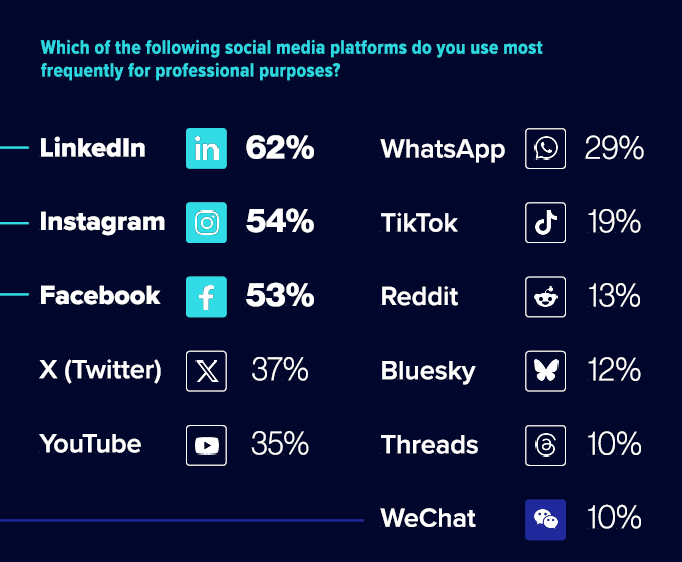
Keeping your profile accurate gives reporters another public reference when researching your background. Make sure your company biography and LinkedIn experience describe the same professional history.
Check these pages while signed out where possible. You want to know what another person can actually see, including whether contact information works and important supporting material is public. Do not rely on an internal page that only colleagues can access.
Verify Credentials and Describe Their Limits
List qualifications relevant to the subject and make their status accurate. Where an official public register exists, provide the appropriate verification route. Distinguish a professional licence from membership, attendance at a course, or a certificate of completion.
Explain experience with the same care. Work completed for a previous employer belongs to the individual’s history, not automatically to the current company’s client record. A former role should not be written in the present tense simply because it sounds more authoritative.
A HARO expert profile also needs boundaries. State the areas where you have direct knowledge and avoid adding every adjacent subject to the biography. Clear limits help the outreach team reject requests that would require an unsupported claim of expertise.
Prepare a Headshot and Contact Details That Are Ready to Use
Choose a clear, recent photograph that accurately represents the expert. Provide a usable image file with an understandable filename, and keep information about the photographer’s credit or permitted use available. Do not substitute a synthetic identity or a stock photograph for the person supplying the quote.
Include a monitored professional email address and identify the contact responsible for urgent follow-up. If an agency coordinates responses, make clear when the journalist is speaking with the expert and when they are speaking with a representative.
Keep the package light. A reporter reviewing a short answer should not have to download a large presentation to locate your role or photograph. Make supporting files available when requested and put essential attribution details directly in the response.
Add Evidence That Demonstrates the Claimed Expertise
Select supporting material that shows the work behind the biography: an authored explanation, a documented project, a relevant presentation, or another accurate public record. Explain your role in collaborative work so a journalist can distinguish personal involvement from a company-wide claim.
For each example, record what you did, what happened, and what evidence is available. Check permission before sharing customer material and keep private details out of public files. An example can still be useful when sensitive information is removed, provided the remaining account is accurate and not presented as a broader study.
This preparation also improves quote development. The expert can draw on verified material when answering a suitable request instead of inventing an impressive anecdote under deadline pressure.
Test the Profile Against a Realistic Journalist Request
Choose a representative request in your subject area and assess the HARO expert profile against it. Confirm that the requested role and experience are visible, then identify the example the person could discuss. Note any factual claim that still requires evidence or approval.
Ask a colleague unfamiliar with the expert to read the public page and describe what the person knows. If the answer is merely “business” or “technology,” make the positioning more specific. If they misunderstand the person’s role, fix the wording before using it in outreach.
Assign someone to maintain the information. A HARO expert profile becomes unreliable when job changes, expired qualifications, and old contact details accumulate. Review it after meaningful changes to the expert’s work, not only when a reporter flags a problem.
Make Verification the Easy Part
Before sending your first HARO pitch, make sure a journalist can quickly understand who you are, what you know, and why your opinion is worth using. A strong expert profile should include a clear bio, relevant experience, an updated LinkedIn profile, a credible company page, and proof of your expertise where possible.
You do not need to look famous. You need to look trustworthy and easy to verify. When your background, credentials, and expertise all support the topic you are pitching, journalists have fewer reasons to hesitate. Build that credibility first, then start outreach with a profile that is ready to be quoted.
FAQs
1. Do You Need to Be Famous Before Pitching?
No. The request may need direct practical knowledge from someone outside the public spotlight. Make your role and experience verifiable, then choose questions you can answer with information relevant to the story.
2. Is a LinkedIn Profile Enough on Its Own?
It can support verification, but a public company biography adds another useful connection between the person and the business. Make sure the essential information is available to someone who does not share your account access.
3. How Long Should the Biography Be?
Follow the journalist’s instructions when they specify a length. Otherwise, supply a concise attribution bio and keep fuller background on the public profile, where the reporter can investigate further without searching through the pitch.
4. Should You Include Every Qualification You Have?
Prioritise the qualifications relevant to the request. A long list of unrelated courses makes the important evidence harder to find and can give a misleading impression of what the person is qualified to discuss.
5. Can an Agency Prepare the Profile for You?
Yes, provided the named expert verifies the facts and approves how their experience is described. The agency can organise and edit the material, while the source remains responsible for the accuracy of claims made under their name.