A clear number makes any link-building budget easier to justify. If you’re paying every month, you should know what that investment is expected to achieve.
The challenge is that the same link-building package can produce very different results for different businesses. A specialist consultancy may need only a handful of strong editorial links to move an important service page, while a retailer competing against established marketplaces may need a much larger campaign. Even the publications you earn links from can change the value of each placement.
The better starting point is the page you want to improve, the competitors already ranking above it, and the authority gap between you. Once those factors are clear, it becomes much easier to judge how many links are worth pursuing, where additional links could make a difference, and when another issue deserves the budget first.
There Is No Fixed Number That Unlocks Rankings
You do not need to cross a universal HARO backlinks threshold before Google starts rewarding your website. A well-developed page targeting a specific query has a different competitive task from a thin service page targeting a crowded national market. Links contribute to that competition, but they cannot supply missing product information, satisfy the wrong search intent, or repair an inaccessible page.
Google describes ranking as the work of multiple systems and signals. Consequently, a quota that ignores the destination page tells you little about the likely outcome. Treat any promised number of links for a guaranteed position as a sales claim requiring evidence.
Start by naming the result you want. Better visibility for a particular service, more qualified visits to a resource, and greater recognition among buyers require different reporting. “More authority” is too vague to tell you whether the spending helped.
Why Three Relevant Links Could Beat Thirty Ordinary Ones
Suppose your business supplies commercial refrigeration equipment. Three editorial citations in detailed articles about restaurant maintenance could introduce your expertise to owners and point readers toward a useful maintenance resource. Thirty unrelated mentions scattered across generic lifestyle articles might add little relevant exposure or useful traffic. These are illustrative quantities, not a tested exchange rate between link types.
The first group could offer the better overall result because the subject, readers, and destination align. That does not prove every niche link carries more ranking influence than every general publication link. You still need to inspect each article and the reason your website appears there. Good query selection helps you avoid spending expert time on opportunities with no clear business purpose.
There is evidence that backlinks and rankings are associated: Backlinko found that the top Google result had 3.8 times as many backlinks as results in positions two through ten, on average.
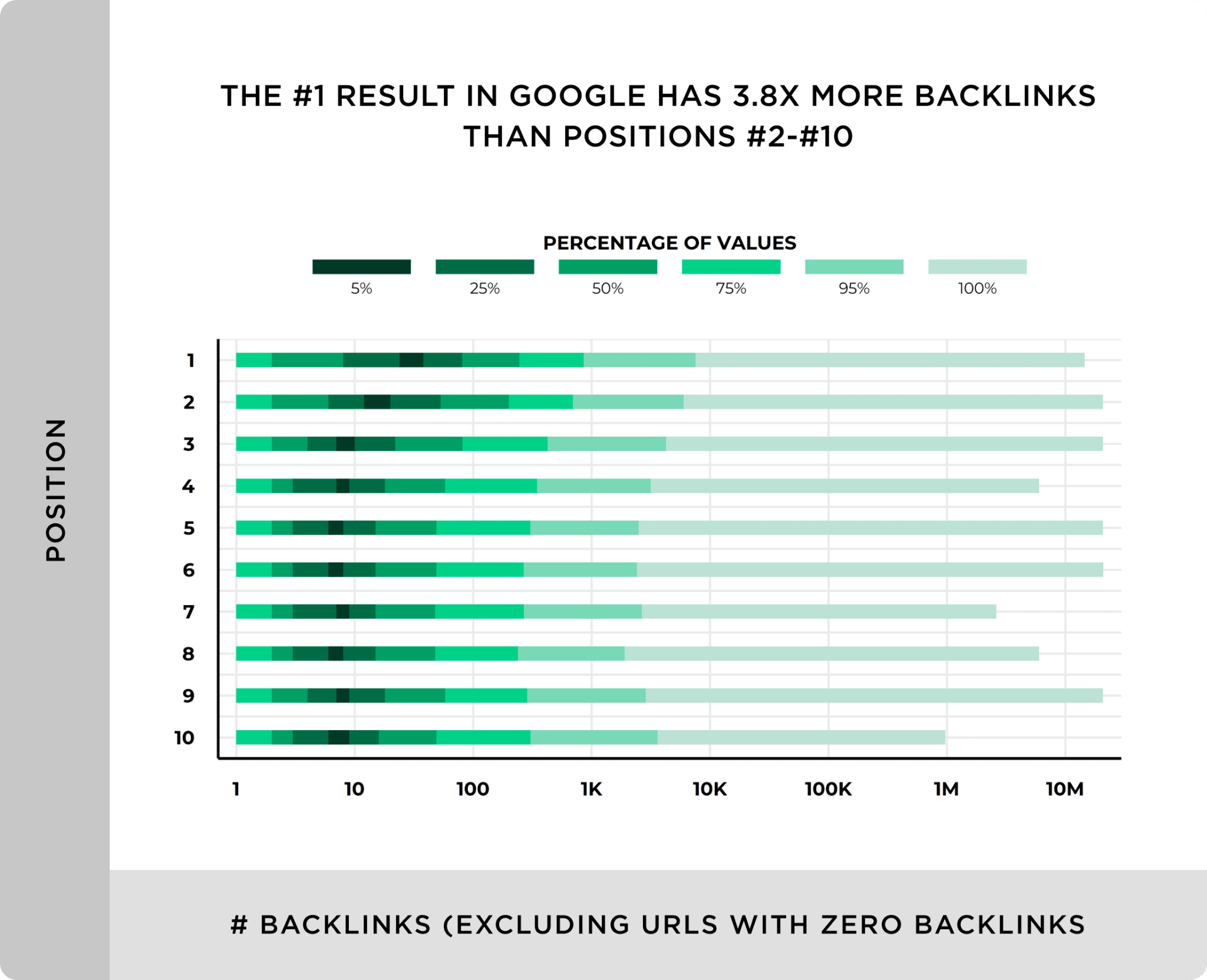
Its ranking study describes a correlation, not a required quantity or proof that adding links alone creates that position.
Compare Competing Pages Before Setting Your Budget
Choose a commercially useful search query and review the pages currently serving that need. Compare like with like: a product category belongs beside other category pages, while an educational guide belongs beside comparable guides. A competitor’s entire domain backlink total is a poor substitute for this page-level review.
Look at the referring websites behind the competing URLs. Separate editorial citations from duplicated syndication, directories, and irrelevant placements. Also inspect the actual content: original demonstrations, useful specifications, clear answers, and a better buying experience could explain why a page deserves consideration independently of its links.
Record what your page lacks in plain language. “No practical sizing advice” suggests content work. “Useful guide with little independent coverage” suggests an outreach opportunity. The purpose is to identify a reasonable investment, not reproduce every backlink a competitor has acquired.
Give Earned Links a Useful Destination
Your HARO backlinks will not necessarily point straight to the service page you care about. A journalist may credit your homepage, an expert biography, or a resource that supports the quoted claim. Plan around those legitimate editorial choices before you forecast the campaign’s contribution.
A linked maintenance guide should help visitors find the equipment or service relevant to the problem it explains. Your destination pages need clear relationships, helpful navigation, and working links. Adding unrelated sales links throughout the guide merely creates distractions.
Keep the original resource valuable after publication. Replacing it with a sales pitch removes the reason the journalist cited it and damages the visitor’s experience. Supporting content is an asset you maintain, not a temporary container for a backlink.
Run a Defined Campaign Before Increasing Volume
Begin with a focused campaign around an expertise area, a group of suitable publications, and a small set of relevant destinations. Specify how much expert time and outreach budget you will commit before a review. This gives you a controlled starting point without pretending you already know the winning link count.
Record the starting search visibility of your priority pages, the queries they attract, and the enquiries they generate. As coverage appears, log the article, destination, subject, publication date, and whether the mention contains a link. Separate genuinely new editorial decisions from copies of the same story.
Review the campaign after enough publications have appeared and had time to be discovered. Recent pitches still awaiting editorial decisions should remain pending. An early review should improve the process; it should not turn unfinished opportunities into failures or promise results from links that are not live.
Decide Whether to Continue, Improve, or Pause
Increase investment when the campaign repeatedly earns suitable coverage and your target pages show useful progress alongside it. Keep the conclusion proportionate: concurrent content updates, seasonality, and competitor activity complicate attribution. A ranking improvement after a placement is encouraging evidence, not proof of a direct causal link.
If coverage is relevant but the destination performs poorly, inspect that page before requesting more HARO backlinks. If the pitches attract irrelevant publications, tighten selection. If links disappear or point to errors, repair what you control and discuss accurate corrections with the publisher.
Your spending decision should follow those findings. Buying another package because the previous package ended creates a recurring cost without answering whether the next batch addresses your actual constraint.
Make the Next Link Earn Its Place
A sensible target for HARO backlinks starts with your competitive position and the usefulness of your pages. Set a focused brief, pursue coverage that fits your expertise, and assess the live results against the business outcome you wanted. Quantity becomes easier to judge once those decisions are clear.
Before expanding the budget, make sure your monitoring routine captures where each placement leads and whether it still serves a useful purpose.
FAQs
1. Can a Single HARO Link Improve Rankings?
A single relevant citation could contribute to an improvement, but you cannot predict a specific ranking increase from it. Evaluate the linked page, competing results, and other website changes before attributing movement to that placement.
2. Should You Match Your Competitor’s Backlink Count?
Use the competitor’s links to understand the market, then judge their individual relevance and quality. Matching the raw total wastes effort when it includes duplicates, weak placements, or links to pages unrelated to your target.
3. Do Multiple Links From the Same Publication Count?
They are separate links, but they do not represent the same breadth of independent sources as links from different publishers. Repeated coverage still offers value when it reaches suitable readers and contributes useful, distinct information.
4. Should a New Website Order a Large Package Immediately?
Check your essential pages, expert credentials, and conversion paths first. A focused initial campaign provides evidence about suitable opportunities and your ability to secure coverage before you commit to a larger ongoing expense.
5. What Should a Link-Building Proposal Promise?
It should clearly explain the work, opportunity criteria, reporting, fees, and any delivery terms. Editorial placements and search rankings involve decisions outside the agency’s control, so examine guarantees carefully and ask what happens when expectations are missed.