
Getting featured in major publications used to mean having connections or a full PR team behind you. Now, platforms like HARO have opened the door for anyone willing to pitch smartly.
But that brings a new challenge for businesses… do you handle outreach yourself or hand it over to a done-for-you service?
In-house pitching gives you full control over your messaging and voice, while DFY services promise speed, scale, and access to experienced writers. Both paths can land powerful backlinks and media mentions, but the effort, cost, and results can look very different depending on how you approach them.
So let’s compare each other to see what’s best for you. .
Done-For-You (DFY) HARO Services
Done-for-You (DFY) HARO services take the entire outreach process off your plate. Instead of you scanning queries, writing pitches, and following up with journalists, a specialized team handles everything for you. They identify relevant opportunities, craft responses that match what reporters are looking for, and submit them on your behalf.
In simple words… get you featured in high-authority publications without you spending hours every day inside HARO emails.
Here’s why you should consider done-for-you HARO services.
- Saves a significant amount of time by handling daily outreach for you
- Access to experienced writers who understand what journalists want
- Higher chances of getting featured due to proven pitching strategies
- Ability to scale outreach with a higher volume of pitches
- Consistent effort, which is hard to maintain in-house long term
- Lets you focus on core business tasks instead of PR work
But there’s some cons as well.
- Can be expensive, especially for high-quality or guaranteed services
- Limited control over tone, messaging, and brand voice
- Requires time upfront to properly brief the team about your expertise
In-House HARO Pitching
In-house HARO pitching means you or someone on your team handles the entire process internally. You go through HARO emails, pick relevant queries, write responses, and send pitches directly to journalists. It’s more hands-on, but it gives you full ownership of how your brand is represented.
Here’s why In-house HARO pitching.
- Full control over messaging, tone, and positioning
- Pitches sound more authentic and aligned with your real voice
- No ongoing service costs, making it more budget-friendly
- Deep understanding of your niche leads to more relevant responses
- Builds long-term skill in PR and media outreach
- Easier to experiment with different angles and improve over time
Here are the cons of In-house HARO pitches.
- Steep learning curve to understand what journalists actually want
- Lower success rate in the beginning without experience
- Hard to scale outreach without a dedicated team
- Requires strong writing skills to stand out among hundreds of pitches
Pricing Comparison: DFY HARO vs In-House Pitching
When you break it down, pricing is where the biggest difference shows up. One is time-heavy but cheap. The other is hands-off but can get expensive fast.
DFY HARO services usually charge per link or per package, and the range varies a lot depending on quality, niche, and guarantees.
- Typical cost: $250 to $850 per link
- Mid-tier agencies: around $220–$400 per link in bulk packages
- Premium services (DR70+ media links): $400 to $800+ per link
Monthly retainers:
- ~$1,200/month for ~3 links
- ~$3,950/month for ~10 links
Some freelancers offer cheaper entry points (~$300 per link), but quality and consistency can vary a lot .
What you’re paying for:
- Strategy, writing, outreach, follow-ups, and placement.
On the other hand, In-house pitching is surprisingly cheap in terms of actual money, but expensive in time.
HARO basic access: Free
Paid plans:
- ~$19/month (basic upgrades)
- ~$49–$149/month for advanced features
- Extra pitch credits: around $1 per additional pitch
So realistically, your tool cost stays under $20–$150/month.
But here’s the hidden cost:
You’re investing hours daily in:
- Scanning emails
- Filtering queries
- Writing pitches
- Testing what works
That costs you even more.
The Reality of Pitching: Why Success Isn’t Guaranteed
Securing media coverage is harder than it looks. In fact, research shows that journalists respond to only about 3.43% of PR pitches, and of those, roughly 8% actually result in a published story. This highlights just how competitive and selective the media landscape has become.
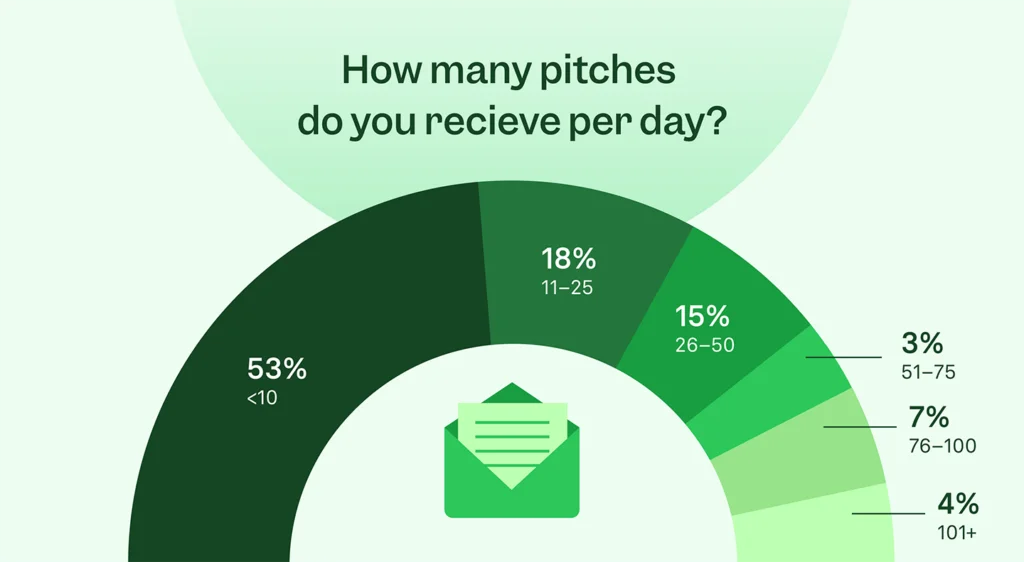
For in-house teams, these numbers underline the challenges of juggling pitching alongside other responsibilities. Even a well-crafted story can easily get overlooked if timing, targeting, or follow-up isn’t precise.
On the other hand, done-for-you HARO services are designed to improve these odds. By researching journalists’ preferences, personalizing each pitch, and managing follow-ups efficiently, these services help brands turn more of their pitches into actual media placements.
What Works Best?
There’s no universal winner here. It depends on what you’re optimizing for right now.
DFY HARO works best when your priority is speed and consistency. If you want placements coming in without blocking hours every day for outreach, this route makes sense. It’s especially useful when you already have revenue coming in and can afford to invest in backlinks as a growth lever. You’re essentially buying time and expertise.
In-house pitching works better when you’re early-stage or want full control over how your brand shows up. If you understand your niche deeply and can write well, your pitches can feel more real and less “manufactured.” Over time, you also build a skill that compounds. Your success rate improves, your angles get sharper, and you stop guessing what journalists want.
A lot of teams end up blending both. They start in-house to understand the process, then move to DFY once they know what good looks like. Others keep high-value pitches in-house and outsource the rest for scale.
Conclusion
Deciding between Done-For-You HARO services vs in-house pitching comes down to your team’s time, budget, and need for control.
DFY services offer speed, scalability, and high success rates, while in-house pitching provides full brand alignment, personal insights, and stronger journalist relationships. A hybrid approach can combine the best of both worlds, maximizing results without sacrificing quality.
Take action today — choose the strategy that fits your resources and goals, and start turning HARO opportunities into high-authority backlinks that strengthen your brand’s visibility and credibility.
FAQs
1. What is the main difference between DFY HARO services and in-house pitching?
DFY HARO services handle monitoring, drafting, and submitting pitches for you, while in-house pitching is done by your internal team, giving full control over brand voice and content.
2. When should a business choose Done-For-You HARO services?
DFY services are best for companies with limited time, no dedicated PR team, or a need for fast, scalable responses to secure high-authority backlinks.
3. What are the advantages of in-house HARO pitching?
In-house pitching ensures brand alignment, allows for personal insights and technical expertise, and helps build direct relationships with journalists for long-term opportunities.
4. Can I combine DFY services and in-house pitching?
Yes. A hybrid approach uses DFY teams for speed and volume while internal staff adds brand-specific insights, maintaining authenticity and quality in every pitch.
5. How do I decide which HARO strategy is right for my business?
Consider factors like time availability, budget, brand control, and the need to build journalist relationships. Matching these with your goals ensures the chosen approach maximizes results.

.png)