
You spend time writing a HARO pitch, send it to the journalist, and then… nothing happens. No reply, no follow-up, and sometimes not even a mention in the final article. If you’ve used HARO before, this situation probably feels very familiar.
Many people assume they did something wrong when journalists don’t respond. But in most cases, it’s not.
In this blog, we’ll share why many journalists don’t accept responses and what to do when journalists never reply to your HARO pitches.
Fist Off, Let’s Talk About Why Journalists Don’t Reply to HARO Pitches
Most ignored pitches are not personal. They usually come down to timing, relevance, or how the message is presented.
They Receive Too Many Responses
Media mentions through HARO are valuable because they often lead to editorial backlinks from trusted websites. These links play a major role in SEO. For example, a study found that 66.31% of pages on the web have zero referring domains, meaning most content never earns links from other websites.
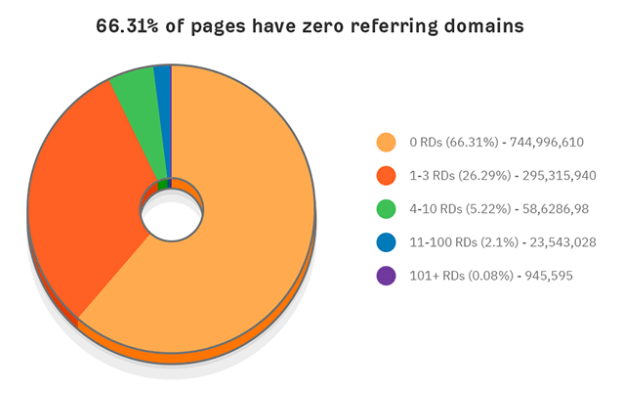
This is one reason strategies like HARO are popular for earning editorial mentions from media publications. Also, because of that, every journalist's query can attract dozens, sometimes hundreds, of replies. Reporters working on tight deadlines simply scan for the most relevant, usable answers. If a pitch does not stand out quickly, it gets skipped.
In media outreach, attention is limited. Journalists are not reading every word carefully. They are looking for clear, direct expert quotes they can use right away. If a response feels like work to read, it will likely be ignored.
The Pitch Doesn’t Match the Query Exactly
One of the biggest reasons for silence is weak pitch relevance. If a journalist asks for insights from a SaaS founder and the reply comes from a general marketer, the gap is obvious.
Journalists are specific for a reason. They already have an angle in mind. When a pitch only partially matches the request, it creates friction. A strong HARO strategy means responding only when the criteria are a perfect fit. Precision matters more than volume in digital PR.
The Response Is Too Long
Long emails slow everything down. A journalist working on a deadline does not have time to pull key ideas out of a 600-word response.
Short, structured answers improve pitch readability and increase the chance of media coverage. Clear paragraphs, direct insights, and ready-to-use quotes make the reporter’s job easier. In media pitching, simplicity always wins.
It Feels Promotional
HARO is not meant for advertising. When a pitch focuses too much on a company, product, or service, it immediately feels self-serving.
Journalists are looking for perspective, not promotion. Strong digital PR focuses on adding value to the story. When the response centers on useful insights instead of brand exposure, trust builds naturally. That shift alone can improve journalist response rate over time.
The Pitch Arrives Too Late
Speed plays a major role in HARO success. Many reporters review early submissions first and often select from that initial batch. Even a strong response can be overlooked if it arrives hours after the query was sent.
Fast replies show professionalism and increase visibility. In competitive journalist queries, timing is often just as important as quality.
Steps to Take When Journalists Never Reply
Here are the steps you can take if your HARO pitches are not getting replies.
Step 1: Audit Your Existing HARO Pitches
Before changing tactics, it’s important to look at what has already been sent. A careful review often reveals small mistakes that quietly hurt HARO response rate and overall media outreach results.
Check for True Relevance
Start by comparing each pitch to the original journalist query. Was the request answered directly, or was the topic stretched to make it fit? Even a slight mismatch can lead to silence.
Strong pitch relevance means meeting every requirement listed—industry, role, experience level, and angle. If a query asks for startup founders with fundraising experience, a general business opinion is not enough. Tight alignment increases the chances of real media coverage.
Cut the Length
Long responses are one of the most common problems in media pitching. If a pitch takes more than a minute to scan, it’s too long.
Review older submissions and trim them down to 150–300 words. Remove filler sentences and repeated points. Keep only the strongest insight and one short supporting example. Journalists prefer expert quotes that are easy to copy and paste into their articles.
Remove Hidden Promotion
Read each pitch carefully and look for subtle sales language. Phrases that push services, highlight company achievements, or direct readers to products weaken credibility.
Digital PR works best when the focus stays on the story. The goal is to add value to the journalist’s audience, not to advertise. When insights feel helpful rather than promotional, trust increases naturally.
Strengthen the Opening
The first two lines decide whether a pitch gets read or ignored. If the introduction is vague or slow, it loses attention.
Open with a direct answer to the question. Avoid long greetings or background explanations. Clear structure improves pitch readability and supports a stronger HARO strategy.
Review Credentials and Signature
Check whether each email clearly shows expertise. Include full name, professional title, company name, and website. Use a domain-based email address to support credibility.
Step 2: Improve Your HARO Strategy
Once old pitches have been reviewed, the next move is to strengthen the overall approach. Better structure, timing, and positioning can quickly improve HARO response rate and make media outreach more consistent.
Respond Fast
Timing plays a bigger role than most people realize. Many journalist queries receive early responses within minutes. Reporters often scan the first batch and select usable expert quotes from there.
Checking alerts regularly and replying within the first hour increases visibility. A strong answer sent late may never even be opened.
Make the Pitch Easy to Read
Clear formatting improves pitch readability instantly. Large blocks of text slow down the reader and make key insights harder to spot.
Use short paragraphs. Keep sentences tight. Present ideas in a clean structure. Start with a direct answer, then add one or two supporting points. The easier it is to scan, the higher the chance of media coverage.
Focus on One Strong Insight
Trying to cover too much weakens the message. A pitch that includes five average points feels scattered. One sharp, specific idea carries more weight.
Journalists look for clarity, not complexity. A focused insight that fits perfectly into their angle strengthens HARO's strategy and improves the overall journalist response rate.
Be Selective With Anonymous Queries
Anonymous requests can sometimes come from major publications, but they also carry uncertainty. Respond only when the expertise is highly relevant and the answer is strong.
Sending pitches to every opportunity lowers quality over time. In media pitching, selectivity often leads to better long-term results.
Build Value Beyond the Pitch
Media outreach should not feel transactional. Engaging with journalists’ work, sharing their articles, and offering useful insights outside of a pitch builds recognition.
Step 3: Follow Up the Right Way
The 3rd and most important step is follow up.
Know When to Follow Up
Patience matters. Journalists work under tight deadlines, and many stories move quickly. Waiting at least one or two weeks before sending a follow-up email shows professionalism in HARO.
If the deadline has already passed, a follow-up usually won’t change the outcome. At that point, it’s better to focus on the next journalist query instead of pushing harder.
Keep It Short and Respectful
A follow-up should never feel demanding. One short line is enough. Something simple and polite works best.
Long explanations, repeated pitches, or emotional messages reduce trust. In digital PR, confidence and restraint make a stronger impression than pressure. A brief reminder keeps the door open without hurting long-term journalist relationships.
Don’t Chase Multiple Times
Sending multiple reminders can hurt future opportunities. Many reporters receive dozens of emails daily, and inbox fatigue is real.
Protecting reputation is part of a smart HARO strategy. One follow-up is acceptable. More than that can reduce the journalist response rate in the long run.
Conclusion
Not getting replies to your HARO pitches can feel frustrating, especially when you spend time writing thoughtful responses. But in many cases, silence simply means the journalist selected another quote or didn’t have space to include every response. It doesn’t always mean your pitch was bad.
The key is to stay consistent and keep improving the way you respond to queries. Small changes in how you write your pitches and the queries you choose can help you get better results. Many successful HARO users send multiple responses before getting featured, so patience and steady effort are important.
FAQs
1. Why am I not getting responses from HARO journalists?
Low HARO response rate usually happens because the pitch was either not fully relevant, too long, too late, or slightly promotional. Journalists receive many replies to each query, so only the most clear, direct, and useful responses get selected.
2. How long should a HARO pitch be?
A strong HARO strategy keeps pitches between 150–300 words. Short, focused answers with copy-paste-ready expert quotes improve pitch readability and increase the chances of media coverage.
3. Should I follow up if a journalist doesn’t reply?
Yes, but only once. Wait one to two weeks, and send a short, polite follow-up email. Multiple follow-ups can hurt journalist relationships and reduce future media outreach success.
4. Is speed really important in HARO responses?
Yes. Many journalist queries are reviewed quickly, and early responses often get priority. Replying within the first hour can significantly improve journalist response rate.
5. What should I do if my HARO pitch gets ignored?
If there’s no reply, repurpose the content into a blog post, LinkedIn article, or newsletter. Exploring HARO alternatives and improving pitch relevance can also strengthen long-term digital PR results.