
Launching a new website comes with one major challenge: building enough authority for search engines and potential customers to trust it. With little backlink history and limited brand recognition, gaining visibility can take time. HARO link building can help speed up that process by earning editorial mentions and backlinks from established publications.
However, not every HARO placement delivers the same value. In this guide, we’ll look at how HARO link building can support a new website, what makes these links valuable, and how to use them as part of a broader authority-building strategy.
HARO Can Help You Earn Credibility Before Your Site Is Established
HARO for new websites offers a way to contribute real expertise to independent reporting. A relevant published quotation gives readers an external example of your knowledge, and an accompanying link provides a route to your website. You do not need a long domain history to offer a useful firsthand answer.
However, that opportunity does not establish a predictable shortcut to rankings. A new website still needs accessible pages that satisfy the searches it targets. Editorial coverage can support the broader effort, but it cannot guarantee how quickly those pages will compete.
Treat “faster” as a comparison with waiting passively for someone to discover you. Active, relevant pitching creates opportunities for recognition sooner than doing nothing. The size of any SEO improvement remains something you must observe, not promise in advance.
Separate a New Domain From an Unproven Expert
A new business can introduce an experienced founder, engineer, operator, or specialist. Make that person’s relevant background visible through an accurate biography, identifiable role, and concrete examples of work they are allowed to discuss. Explain previous experience clearly without implying that the new company performed work completed elsewhere.
If your expertise is genuinely developing, answer questions that match what you have actually done. A founder who has managed a product launch can discuss the decisions involved without presenting themselves as an authority on every aspect of business growth.
Reporters have reasons to investigate unsupported credentials. Invented titles, inflated client claims, and borrowed experience create a credibility problem that no backlink package fixes. HARO for new websites works best when the public profile accurately represents the person supplying the answer.
Complete the Pages a Journalist Will Inspect
Before pitching, review the homepage, about page, contact details, expert biography, and relevant service information. Remove unfinished copy and broken links. A reporter should be able to identify the business, understand what it does, and verify why the named source qualifies.
Build a useful destination for the kinds of questions you expect to answer. A packaging specialist could publish a clear explanation of material testing, including the limitations of different approaches. That resource gives a reporter something meaningful to cite if it supports the story.
Avoid creating a large library of thin pages solely to make the website look established. According to Ahrefs research, 96.55% of pages in its study received no estimated organic traffic from Google.
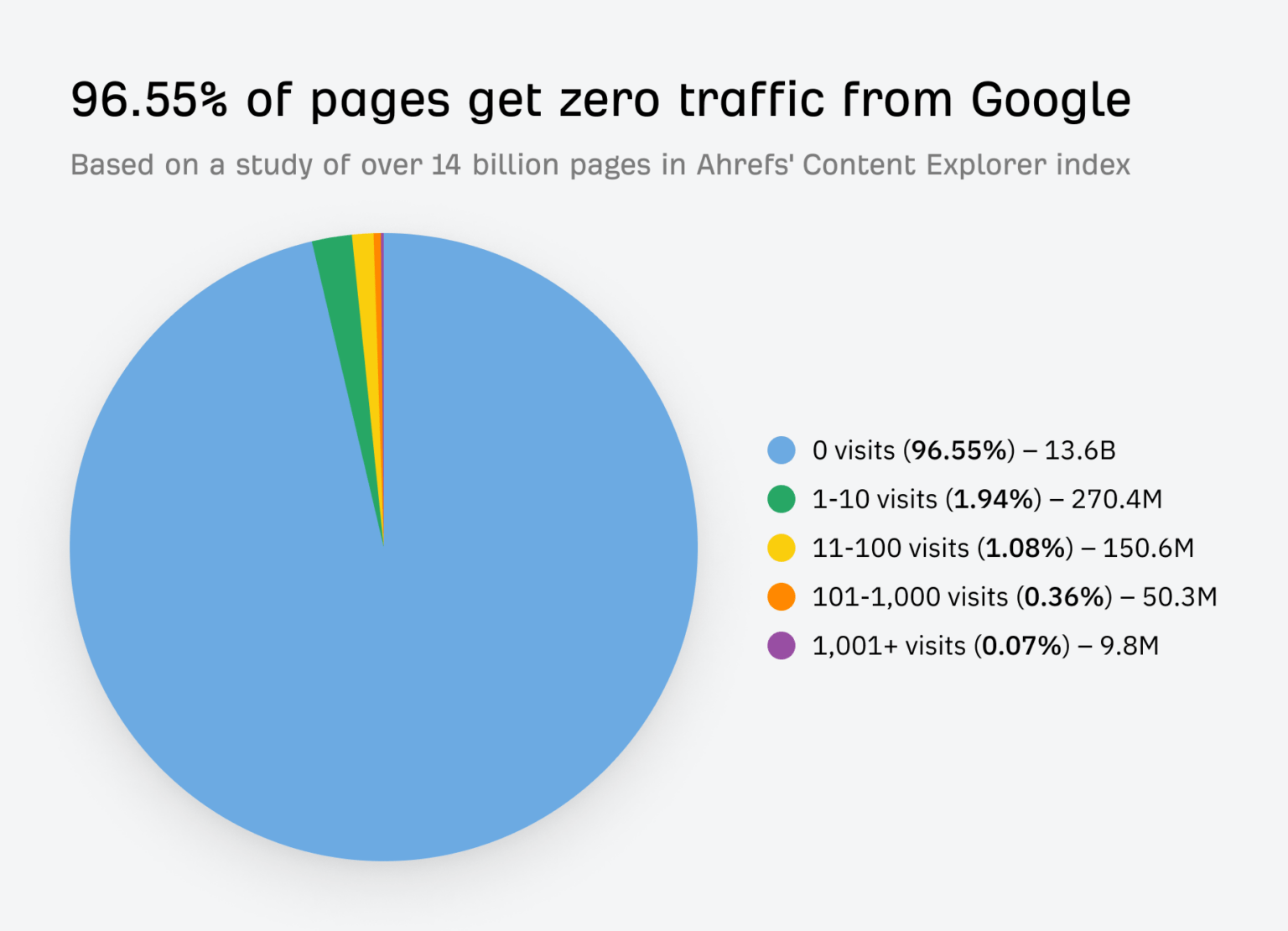
Publishing more pages alone offers no guarantee of visibility. A small collection of accurate, substantial resources gives both journalists and customers more to work with than a sprawling site full of repeated general advice.
Choose a Narrow Expertise Area for the Initial Campaign
Start where your evidence is strongest. A new workplace software company might have direct experience with staff scheduling, but little basis for commenting on every technology trend. Concentrating on the operational problem makes your contributions easier to assess and your coverage easier to connect.
Select requests where the expert can explain a decision, consequence, or recurring mistake. Specific experience is useful because it supplies information beyond a generic recommendation. Keep the answer focused on the journalist’s question instead of turning every response into a product introduction.
Make the first phase of HARO for new websites a test of fit. Record which subjects attract suitable opportunities and which require too much stretching. That evidence helps you expand intelligently once the initial process works.
Give New Visitors a Clear Next Step
Once coverage sends readers to your website, help them continue from the topic that interested them. A technical explanation should lead naturally to related guidance and the service that addresses the problem. Your page connections need to make sense to someone arriving without prior knowledge of the business.
Use normal, crawlable links and clear destination descriptions. Google recommends that important pages receive links from elsewhere on your website in its link best practices. The practical benefit is straightforward — useful pages should be discoverable through the site’s own structure.
Check the enquiry process as well. A broken form, unclear service area, or missing product information wastes the attention you have earned. HARO for new websites deserves the same conversion preparation as any other channel sending prospective customers to the site.
Measure Early Progress Without Inflating It
Record suitable pitches, published mentions, linked coverage, and the topics associated with your expert. Track referral visits and enquiries alongside search impressions for relevant pages. Those measures show different kinds of progress and should remain separate in your reports.
Maintain a dated record of website changes. If you publish new resources, repair navigation, and earn coverage during the same period, acknowledge the combined work when discussing improved search visibility. You cannot reliably assign every new click to a single editorial link.
Expand the campaign when the process consistently attracts relevant opportunities and your website is ready to benefit from them. If the expert struggles to provide useful answers, spend time developing evidence and resources before increasing the submission volume.
Give Your Experience a Place to Be Verified
HARO link building can help a new website build authority faster, especially when it earns relevant mentions from credible publications. These placements can strengthen your backlink profile, improve brand visibility, and give search engines more signals that your website is trustworthy.
Still, HARO should not be treated as a shortcut or a standalone SEO strategy. The best results come when it is combined with useful content, strong on-page SEO, technical foundations, and other link-building efforts. Focus on relevant opportunities, provide genuinely useful expert insights, and prioritize quality over the number of links you earn.
FAQs
1. Is There a Minimum Website Age for Journalist Outreach?
A useful contribution depends on the source’s qualifications and the request’s criteria. A new domain does not automatically disqualify you, but the journalist still needs enough information to verify your identity and relevant experience.
2. Do You Need Existing Backlinks Before Starting?
Existing links are not a substitute for a useful answer, and their absence does not prevent you from contributing expertise. Focus first on credible source information, accurate content, and a functioning website that supports your claims.
3. Should a New Website Pitch Every Available Topic?
No. Choose subjects where your expert has direct knowledge and the company has a legitimate connection. Stretching into unrelated fields weakens the quality of your answers and makes the campaign harder to evaluate.
4. What if Journalists Link Only to the Homepage?
Make the homepage useful and provide clear routes to relevant resources and services. Attribution decisions belong to the publisher, so prepare the destination you are likely to receive instead of relying on a specific deep link.
5. Should You Delay Outreach Until the Whole Blog Is Finished?
You do not need an extensive archive to begin. Complete the essential business and expert pages, then publish useful material supporting your chosen subjects. Continue improving the site while pursuing requests that fit the evidence already available.