


For years, brands have focused on traditional SEO; optimizing websites, building backlinks, and ranking for keywords. While this still matters, there is another layer to visibility that many brands overlook: how their content and expertise are seen and used by AI systems when people search or ask questions.
AI search does not just look at keywords or page rankings. It considers credibility, clarity, and how content is structured, pulling insights from multiple sources to provide answers quickly. Brands that rely only on old SEO tactics often miss opportunities to be recognized in these new types of search results.
In this article, we’ll cover the differences between AI SEO and traditional SEO, and show what brands often miss if they do not adapt their strategies
How Traditional SEO Works
Traditional SEO is built around how classic search engine algorithms work, especially systems like Google’s PageRank and its modern extensions. These algorithms crawl the web, index pages, and rank them based on signals such as keywords, backlinks, site structure, page speed, mobile usability, and user behavior like clicks and dwell time.
At a technical level, it’s about making content easy for bots to understand and evaluate. You optimize pages so the algorithm can clearly see what the page is about and decide where it fits among millions of other pages. The end result is a ranked list of links, ordered by what the algorithm believes is the most relevant and authoritative match for a query.
Traditional SEO focuses on improving a website’s visibility in search engines through techniques like keywords, backlinks, meta tags, and page structure. The goal is to make a page rank higher in search results so people can find it when they type relevant queries. Keywords help search engines understand what a page is about, while meta titles and descriptions provide context for both users and search engines.
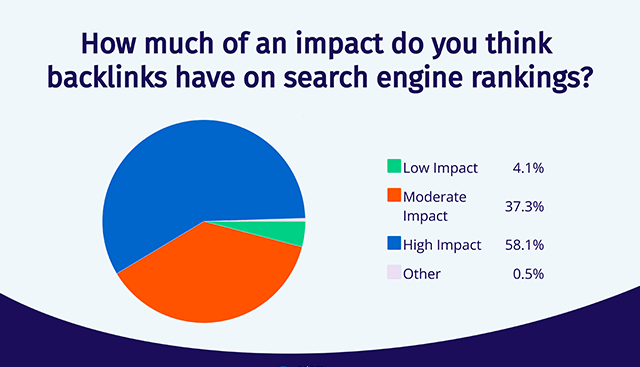
Backlinks from other websites remain one of the strongest indicators of credibility. In fact, research shows that 58% of marketing experts believe backlinks have a high impact on search rankings.
From the technical standpoint, in traditional SEO, NLP is used in a fairly limited, supportive way. Search engines apply NLP models to understand basic intent, entities, and relationships in a query or a page. This includes things like recognizing synonyms, understanding sentence structure, identifying entities such as people, places, and brands, and matching content to search intent.
Algorithms like Google’s BERT and MUM help the engine interpret language more naturally, though the ranking logic still heavily depends on classic signals like backlinks, on-page optimization, freshness, and user engagement. NLP helps the algorithm understand text better, but it does not replace the ranking system itself.
How AI Search Visibility Works
AI SEO is designed for AI-powered search systems that work more like answer engines than link lists. These systems rely on large language models, vector search, semantic embeddings, and retrieval-augmented generation. Instead of matching keywords, they try to understand meaning, intent, and context across multiple sources at once.
They look for clear explanations, structured information, factual consistency, topical depth, and authority signals that help the model confidently generate an answer.
For example, when someone asks a question, AI systems scan news articles, blogs, reports, and verified sources to find concise, trustworthy answers. A brand can appear in these answers not just by having a well-ranked page, but by being referenced in credible publications, giving expert quotes, or providing clear, fact-based insights.
AI visibility relies on repeated mentions across reliable sources, structured content, and information that is easy to parse.
The way content is presented also matters. AI prefers structured content, such as headings, bullet points, and short paragraphs, because it is easier to summarize accurately. Long, confusing blocks of text or vague claims are often ignored. Consistency helps as well — brands that share expertise on the same topics across multiple platforms are more likely to be recognized as authorities.
In AI search, NLP is the core engine. Large language models use deep NLP techniques such as embeddings, transformers, and contextual reasoning to understand meaning at a much deeper level. Content is converted into vectors, compared semantically, and stitched together to form answers rather than rankings.
These systems evaluate how clearly ideas are explained, how well concepts connect, and how reliable the information appears across sources. Strong structure, clean language, defined entities, and unambiguous explanations make content easier for AI to use. Here, NLP drives comprehension, synthesis, and response generation, which is why writing for AI search focuses more on clarity, depth, and reasoning than on keywords or page-level tricks.
3 Factors Brands Often Miss
Here’s what brands often miss.
Visibility Beyond Their Own Website
Many brands focus only on their website content, thinking that ranking high on search engines is enough. The truth is, being mentioned elsewhere matters just as much, if not more. Media coverage, guest posts, industry blogs, and interviews are signals that your brand is trusted.
Brands that rely solely on their own site miss out on these credibility signals. Without being referenced by external, reputable sources, AI systems and readers may overlook your expertise even if your website ranks well.
Clear, Structured Communication
Even when brands produce valuable content, they often make it hard to quote or reference. Long paragraphs, complicated language, or lack of headings make it difficult for writers or AI to pull key points.
Brands that structure their insights using short sentences, bullet points, or clear sections are more likely to be quoted and referenced. Overlooking this makes valuable insights invisible, even when the information itself is strong.
Consistency Across Mentions
Some brands appear in a few articles or posts and then disappear from the conversation. Consistency matters — appearing repeatedly on the same topics builds authority and recognition.
AI systems and journalists are more likely to reference brands they see over and over. Brands that miss this steady presence risk being forgotten or ignored, even if their content is useful.
Steps for Brands to Improve AI Search Visibility
Here are some steps for brands to improve AI search visibility.
Get Mentioned in Trusted and Top‑Tier Media
Getting your brand featured in reputable news sites, industry publications, and well‑known blogs still matters a lot today. When these outlets mention your brand or quote your experts, it helps people trust your voice — and it also sends a strong signal to digital systems that your brand is worth referencing.
More exposure in respected media makes your name familiar, and this familiarity increases the chance that your contributions will show up when people search for answers. Think beyond just any mention — aim for places your target audience already reads and respects.
Speak in Clear, Practical Language
The way you write and speak in your quotes and content affects how easily people — and tools — can use your insights. Simple, direct language that answers a specific question tends to get picked up more often than long explanations full of industry jargon.
Aim for short, focused statements that explain a point clearly. When reporters write about your brand, or when content is referenced in summaries, these clear statements are far more likely to be reused or quoted again. The easier it is to read and understand your message, the better your chances of being cited and recognized.
Use Data and Numbers That Add Weight
Facts, numbers, and statistics give your statements strength. When you back up insights with real data, you make your points easier to trust and easier to reference.
For example, many people now encounter AI summaries in searches — around 18% of global search queries show AI summaries today, and that number has grown over the past year — showing how important this kind of visibility has become.
Facts help your brand stand out because they are specific and useful to readers, and they give others a reason to quote you directly instead of just paraphrasing. Sharing your own findings, survey results, or useful metrics helps your brand appear as a solid source of information.
Structure Content So It Is Easy to Reference
How your content is organized matters more than most people realize. Using clear headings, short paragraphs, lists, and bullet points makes it easier for writers and summarizers to find what matters.
When information is broken down in a way that’s simple to scan, it gets reused more often because others can pull exactly what they need without guessing. If a paragraph is long and confusing, even strong points may be ignored.
Structuring content well makes it more likely that others will quote you accurately, and that those quotes will spread across articles, overviews, and summaries.
Stay Steady with Your Main Topics
If you talk about many unrelated things, it becomes harder for others to link your brand to a specific area of expertise. Being steady with a few core topics helps your name stay associated with what you know best.
When your brand repeatedly appears in content about the same subjects — like digital marketing trends, small business strategy, or tech tools — it signals authority.
Writers start recognizing you as someone who knows that topic well, and others are more likely to quote you when they cover it too. Over time, this steady focus helps your brand become part of the conversation around those subjects.
Conclusion
Many brands focus only on their website or a few articles, but that is not enough. To get noticed, a brand needs to appear in trusted places, share clear insights, and show up consistently. Simple, structured content and useful facts make it easier for others to quote and reference your brand.
If your brand wants to get featured in top media and earn high-quality backlinks, we can help. Contact us today and we’ll help you get high-quality backlinks.
FAQs
1. What is the difference between AI search visibility and traditional SEO?
Traditional SEO focuses on ranking individual pages for keywords, while AI search visibility prioritizes brand recognition, trust, and clear, consistent content across the web.
2. Why do brands miss visibility even with good traditional SEO?
Brands often focus on page optimization and keywords, but fail to build consistent brand narratives, update content regularly, or provide structured, contextual information that modern search recognizes.
3. How can entity optimization improve my brand’s visibility?
Entity optimization ensures your brand’s name, description, and core details are consistent across platforms, helping search systems identify and trust your brand as a reliable source.
4. What role does structured data (schema) play in modern search visibility?
Structured data, like Organization, FAQ, or Article schema, helps search systems understand your content and brand more accurately, increasing the likelihood of being referenced or cited.
5. How can I track visibility beyond traditional analytics?
You can monitor brand mentions, citations, and sentiment using specialized tools that track your brand’s presence in AI-driven or entity-based search results, not just clicks or page views.

.png)
.png)
.png)

