


Starting a new website is exciting. But getting organic traffic for a new site is very difficult. That’s why everyone prefers backlinks for visibility and to improve search rankings.
Basically, backlinks are votes of trust from other websites. When they link to you, Google sees your site as more credible. But as a beginner, earning those links isn’t always easy. That’s why we’ve created this guide.
We’re going to show beginner-friendly ways to earn quality backlinks that actually help your site grow.
Preparing Your Website Before Link Building
Here’s how to prepare your website.
Create Content Worth Linking To
Before thinking about backlinks, make sure your site has content people actually want to share. Focus on writing helpful blog posts, guides, or resources that answer real questions in your niche. If your content isn’t valuable, no one will want to link to it.
Optimize On-Page SEO
Search engines pay attention to the structure of your site. Add proper titles, headings, and meta descriptions that explain your content clearly. Keep your URLs short and clean. Simple fixes like these help search engines understand your pages better and make your site more attractive for linking.
Build a Strong Internal Linking Structure
Internal links connect your pages together and guide visitors to useful content. They also help search engines crawl your website more effectively. Make sure important pages link to each other in a natural way. This improves user experience and spreads link value across your site, which makes it stronger before outside links come in.
Improve Site Speed and Mobile Friendliness
Nobody wants to link to a slow, clunky website. Check your loading speed using free tools like Google PageSpeed Insights and fix issues that make your site heavy. Also, ensure your design works smoothly on mobile devices.
A fast, mobile-friendly website keeps visitors happy and makes your site more trustworthy in the eyes of both users and search engines.
Make Your Website Look Trustworthy
If someone is considering linking to you, they’ll quickly judge how your site looks and feels. Having a clean design, clear navigation, and an “About” page builds trust. Adding contact information or social proof (like testimonials) also helps. When your website looks professional and reliable, people are far more likely to reference and link to it.
Beginner-Friendly Backlink Strategies
Here are some best backlinks strategies for beginners.
Guest Posting
Guest posting is one of the oldest and most effective ways to build backlinks. It means writing an article for another website in your niche and including a link back to your own site. The key here is quality. If you pick random, low-quality blogs, the backlinks won’t help much.
But if you target well-respected sites, you get both SEO benefits and real exposure.
Guest posting works because it connects you with established audiences while giving search engines a signal that your site is trusted. When a respected blog publishes your content, you don’t just get a backlink — you also get exposure to their readers, credibility in your niche, and referral traffic from people clicking through to your site.
Steps to use guest posting for backlinks…
- Find websites in your niche. Use Google searches like “write for us + [your niche]” or check competitor backlinks to see where they publish.

- Check site quality. Look for blogs with active readers, clean design, and decent domain authority.
- Pitch your ideas. Send a short, polite email introducing yourself and suggesting 2–3 relevant topics.
- Write high-quality content. Don’t recycle old stuff. Create a fresh, engaging post that benefits their readers.
- Add your backlink naturally. Place it in your author bio or within the content only if it makes sense.
HARO (Help a Reporter Out) & Journalist Outreach
HARO is a platform where journalists post requests for expert insights. If you reply with useful information and they feature your answer, you get a backlink from a top publication. This is one of the fastest ways to get high-authority backlinks even as a beginner.
Steps to use HARO for backlinks:
- Sign up for free at HARO. You’ll get daily emails with journalist requests.
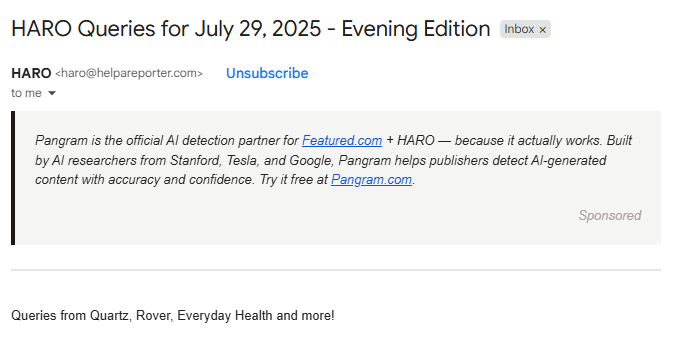
- Pick relevant queries. Don’t answer everything, focus only on topics you know well.
- Write clear, short pitches. Journalists are busy. Provide 2–3 direct points in under 200 words.
- Include your name, title, and website. This is how you get credited with a backlink.
- Follow up politely if needed. Some journalists may not respond, but persistence pays off.
Even if you don’t get published every time, consistent pitching increases your chances. One good HARO link can be more valuable than 20 average backlinks.
Directory Submissions & Local Citations
Submitting your website to directories and citation sites is a powerful first step for beginners. Directories are online lists of websites by category, and citations are business listings with your website, address, and contact details. While not as strong as guest posts or HARO links, they help establish your website’s presence across the web.
Steps to use directories and citations for backlinks.
- Find reputable directories. Examples: Crunchbase, Yelp, Yellow Pages, or niche-specific directories in your industry.
- Fill out complete profiles. Add your website, description, logo, and contact details.
- Submit to local directories. If you have a location-based business, list yourself on Google Business Profile, Bing Places, and local chamber of commerce sites.
- Avoid spammy directories. Don’t waste time on sites with no traffic or low trust.
Social Profiles
Creating social media profiles for your website is one of the simplest ways to get early backlinks. Sites like Facebook, Twitter, LinkedIn, Instagram, Pinterest, and even niche platforms allow you to add your website link to your profile or bio.
While many of these links are “nofollow,” they still add value by spreading your website’s presence across the web and driving traffic from real users.
Steps to use social profiles for backlinks:
- Create accounts on major platforms. Start with Facebook, LinkedIn, Instagram, Twitter, and YouTube.
- Add your website link. Always include your site URL in the bio, profile, or about section.
- Complete the profile. Use a logo, cover photo, and proper description to look professional.
- Join niche platforms. For example, if you’re in design, create a Behance or Dribbble profile.
- Stay active. Share content regularly to attract followers who may also link to you.
Forum Links and Q&A Sites
Forums and Q&A sites are communities where people ask questions, share knowledge, and discuss topics. Platforms like Reddit, Quora, or niche forums in your industry allow you to answer questions and add value. If done correctly, you can also include links to your site as references.
Steps to use forum links for backlinks:
- Find forums or Q&A sites in your niche. Search “[your niche] forum” or use Quora/Reddit.
- Create a profile with your website link. Many forums allow a link in your signature or profile.
- Engage genuinely. Answer questions in detail, share helpful tips, and provide resources.
- Add links naturally. Only include your site when it directly supports your answer.
- Stay consistent. The more active you are, the more trust you’ll build in the community.
Wrap Up
Backlinks are one of the strongest ways to grow a new website, but they take patience and steady effort. Start by making your site valuable, then use beginner-friendly methods such as guest posting, HARO, directories, social profiles, forums, and blog comments.
Each link you earn is a signal of trust that can improve your rankings and bring visitors to your site. The key is consistency. Even a few quality links each month can make a big difference over time.
FAQs
1. How long does it take to see results from backlinks?
Backlinks don’t work overnight. In most cases, it can take a few weeks to a few months before you notice improvements in search rankings. Google needs time to crawl the links and understand the trust signals. Be patient and focus on building links regularly rather than expecting instant results.
2. Are all backlinks good for SEO?
No, not all backlinks are equal. Links from trusted, relevant websites carry more weight than links from spammy or unrelated sites. A single link from a strong authority site can be more powerful than dozens of low-quality ones. Always aim for quality over quantity when building your backlinks.
3. Can beginners build backlinks without spending money?
Yes, beginners can absolutely start without spending money. Methods like guest posting, HARO, social profiles, blog comments, and forum participation are free and effective. While some paid tools can speed up the process, most of the beginner-friendly strategies only require effort, time, and consistency.
4. Should I focus on dofollow or nofollow backlinks?
Dofollow backlinks are stronger for SEO because they pass authority to your site, but nofollow links still have value. They bring traffic, diversify your backlink profile, and can lead to more opportunities. A healthy website naturally has both, so focus more on dofollow but don’t ignore nofollow completely.
5. What is the biggest mistake beginners make in link building?
The biggest mistake is chasing quick, spammy backlinks. Buying low-quality links, using automated tools, or spamming comments can hurt more than help. Beginners should focus on building genuine connections, writing valuable content, and earning links from trusted sources.


![What Earned Media Really Means in the AI Era [Clear Explanation]](https://cdn.prod.website-files.com/66212eff7fb83b815e147071/698504857b3ed9934a51a963_What%20Does%20%E2%80%9CEarned%20Media%E2%80%9D%20Really%20Mean%20in%20the%20AI%20Era_%20(1).png)
.png)

