



AI Overviews don’t treat every backlink the same. Some links get picked up and used as strong supporting signals, while others are simply ignored or carry very little weight. The difference usually comes down to how natural the link feels, where it appears, and whether it actually fits the topic being discussed.
When AI systems scan the web, they look for links that sit inside real, useful content rather than forced placements. They also pay attention to how closely the linking page matches the subject of the page it’s pointing to.
In this blog, we’ll share what kind of backlinks tend to get noticed by AI Overviews, and why some links consistently make it into AI-generated answers while others never surface at all.
High-Authority Editorial Backlinks
Not all backlinks are created equal. Some links carry far more weight because they come from sources that are widely trusted and respected. These editorial backlinks are highly valued because they signal expertise and credibility.
Links from well-known media outlets, major news sites, or top industry journals are especially powerful. A backlink from a site like Forbes, Reuters, or a respected niche publication instantly boosts credibility. These sites have established trust with their readers, and when they link to a page, it sends a strong signal that the content is reliable.
Topical authority is another important factor. Links from websites that specialize in a specific field—like medical sites for health topics or financial sites for finance content—show that the content is not only credible but also relevant to its niche. This link demonstrates expertise and positions the page as a reliable reference in its field.
According to research, pages with editorial backlinks from high-authority domains are significantly more likely to rank in top positions, with over 90% of top-ranking pages having at least one strong editorial backlink.
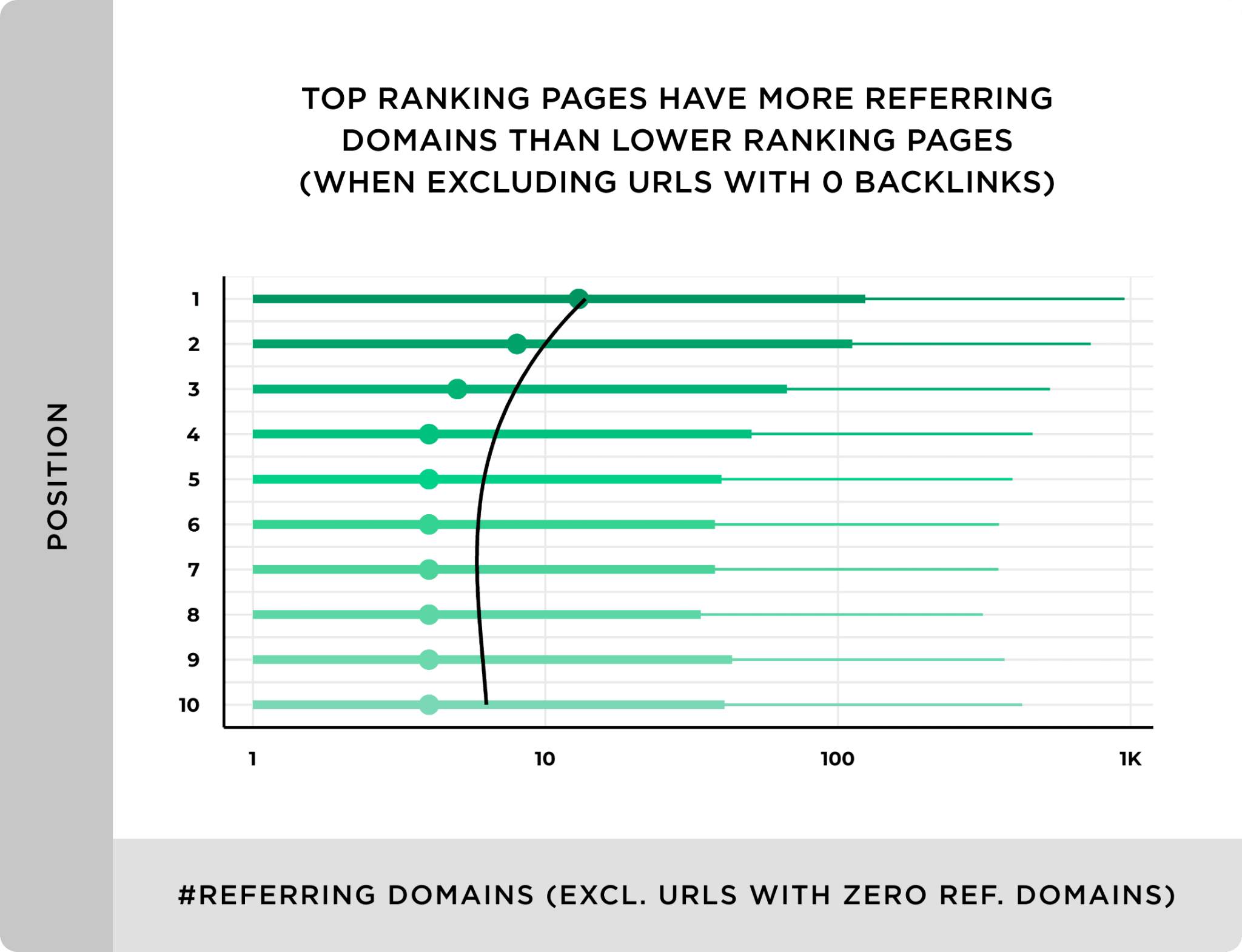
High-authority editorial backlinks are harder to earn, but they are worth the effort. They validate the quality of the content, make it more likely to be noticed in top summaries and guides, and help establish long-term credibility. Investing in these links pays off far more than collecting large numbers of low-quality backlinks.
Contextual and Topic-Relevant Backlinks
Backlinks are more effective when they appear naturally within content that is related to the topic of the linked page. These contextual and topic-relevant backlinks are noticed because they provide meaningful connections rather than just pointing to a website.
Links placed within the main body of a relevant article are far more valuable than links in footers, sidebars, or unrelated pages. They act as a “vote of confidence,” showing that the content is trusted within a meaningful context. Dofollow links from relevant sites carry extra weight because they indicate that the source actively supports and references the content.
Thematic relevance is equally important. If a backlink comes from a page that discusses the same topic or niche, it strengthens the credibility of the linked page. Search systems and overview tools pay attention to co-occurring keywords and how well the content aligns with the linked topic. A backlink from a closely related source tells readers and systems that the page is authoritative and reliable in its field.
Focusing on contextual and topic-relevant backlinks ensures that each link contributes to building a strong reputation. They not only drive credibility but also help the content stand out as a trustworthy reference in its niche.
Best Of and Comparison Listings (Listicles)
Being featured in a “best of” list or comparison article can have a big impact on visibility. These types of backlinks, often called listicle backlinks, are highly valued because they show that the content is trusted and recommended by others.
Websites that create product reviews, top lists, or comparison guides—like Wirecutter, NerdWallet, or niche-specific review sites—tend to highlight the most credible and useful options. When a page is included in these lists, it signals that the content meets high editorial standards and is worthy of attention.
Listicle mentions are especially effective because they match the way many people search. Queries like “best software for small business” or “top tools for graphic design” often lead readers to summary guides. Being included in these lists increases the likelihood that the content will be noticed and referenced in overviews or summaries.
Earning placements in reputable listicles requires creating high-quality, helpful content that stands out in the niche. These links don’t just improve visibility—they also build trust and credibility, positioning the brand or page as a reliable choice among competitors.
Mentions on High-Quality Referring Pages
The authority of the page linking to your content matters just as much as the link itself. Mentions on high-quality referring pages are highly effective because they carry trust and credibility from established sources.
Pages with a high domain rating (DR), typically 50 or above, are more likely to be recognized and referenced in overviews and summaries. A backlink from a well-respected website signals that your content is reliable and worth citing.
Placement within the content also makes a difference. Links embedded within the main body of an article are more valuable than those hidden in sidebars, footers, or unrelated sections. This placement ensures the link appears naturally and is surrounded by context that reinforces its relevance.
Focusing on high-quality referring pages helps strengthen reputation and trust. These backlinks not only improve the likelihood of being noticed but also contribute to building long-term authority in the niche. Earning mentions from respected pages is one of the most effective ways to make content stand out.
Social and Community Validation (Unlinked Mentions)
Backlinks aren’t the only way to gain credibility. Social and community validation, including unlinked mentions, plays an increasingly important role in visibility and trust. When a brand or content is referenced in forums, discussion boards, or social platforms, it signals relevance and reliability.
Platforms like Reddit, Quora, and other niche communities often feature discussions that naturally mention products, services, or helpful content. Even if these mentions don’t include a direct link, they can influence perception and signal authority to readers and search systems.
Branded mentions, whether linked or unlinked, also matter. When a brand appears repeatedly on trusted websites or forums, it builds recognition and credibility over time. These mentions reinforce the authority established by editorial or contextual backlinks and make content more likely to be noticed in summaries, guides, and lists.
Conclusion
High-authority editorial backlinks play a major role in how content is trusted and surfaced online, especially in AI-driven search systems. When a page earns links from respected and relevant sources, it signals that the content is reliable and worth referencing. These links don’t just improve rankings, they also increase the chances of being included in AI Overviews and summaries.
Over time, they help build strong credibility in a specific niche. While they are harder to get, they carry lasting value and often separate strong, trusted content from everything else on the web.
FAQs
1. What types of backlinks are most likely to be picked in overviews?
Backlinks from high-authority editorial sites, topical niche sources, and trusted media outlets are most likely to be noticed. Links embedded in the main content carry more weight than those in footers or sidebars.
2. Do unlinked mentions help my content appear in overviews?
Yes. Branded mentions in forums, social platforms, or trusted community discussions can signal credibility, even without a direct link. Repeated mentions build recognition and trust.
3. Are listicle or “best of” mentions important?
Absolutely. Being featured in comparison lists or curated guides signals quality and relevance, increasing the chances of being referenced in summaries or recommendation sections.
4. Does link quantity still matter?
Not as much. Quality and relevance of backlinks now outweigh sheer numbers. A few high-authority, topic-relevant links are far more effective than many low-quality links.
5. How can I earn backlinks that get noticed in overviews?
Focus on creating valuable, niche-relevant content, reach out to reputable industry sites, aim for editorial mentions, and engage with communities where your audience is active.


.png)
.png)

