.png)
You check an old placement and something's off. Your quote is still there, your name is still there, but the link to your site is gone. Nobody told you, nothing broke, it just disappeared during some edit you'll never see.
It's more common than most people expect, and the reaction matters more than the loss. Some removals are worth a polite email. Some are worth nothing at all. Here's what's actually happening and what to do about it.
Why Links Disappear From Live Articles
Most removals have boring explanations. An editor cleaned up outbound links across old posts. The site changed policy and made external links nofollow or removed them entirely. Someone updated the article and rewrote the section your link lived in.
Site changes cause plenty too. A redesign, a move to a new platform, or a content management change can strip links across thousands of pages at once. Your placement wasn't targeted. It was in the way.
Then there are the deliberate ones. Some publications periodically audit outbound links to reduce what they see as SEO clutter, and a few have been burned by link schemes and now strip everything as a default. None of this is personal, which is worth remembering before you write anything emotional.
How Common Is This, Really?
Link decay is normal across the whole web, not just media placements. Ahrefs found that 66.5% of links to sites over the past nine years are dead, which tells you how routine this is.
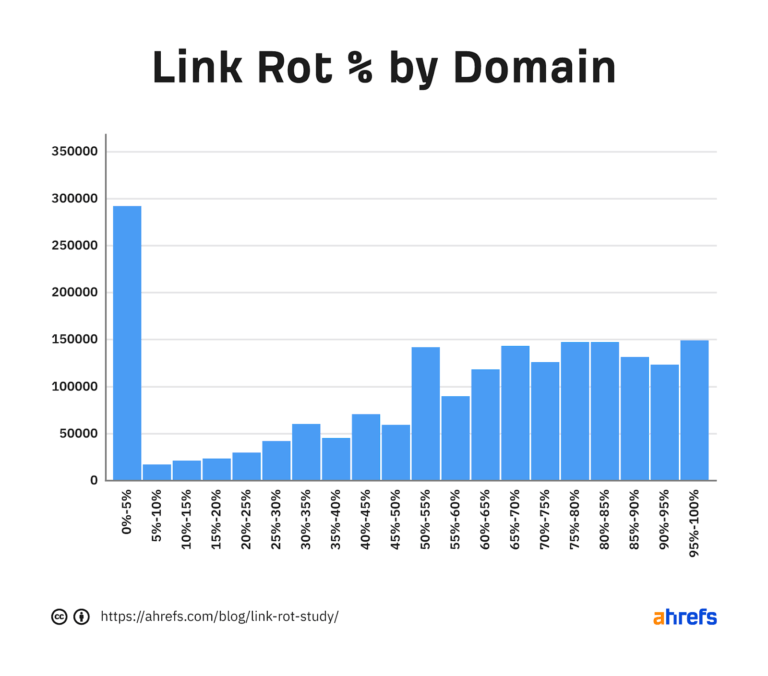
Pages get deleted, sites get sold, articles get rewritten, and links vanish along the way.
So plan for it instead of being shocked by it. A portfolio of placements will always leak a little, and the answer is a steady flow of new ones instead of a fight over every old one.
What You Actually Lose
Less than you think, and it's worth separating the pieces. The ranking value from that link is gone, which is the real loss, especially if it was from a strong domain. Nothing softens that part.
But the mention usually stays, and mentions carry more weight than they used to. AI systems learn which brands belong to which topics from text patterns across trusted publications, and a hyperlink isn't required for that. Your name still sits next to your subject in a real outlet, which still teaches those systems who you are.
The credibility stays too. You can still cite the placement in your bio, use it in your “as featured in” section, and lean on it when pitching other reporters. None of that depended on the link.
Check Whether It Was Ever There
Before doing anything, confirm the link actually existed. People misremember this often, especially with older placements. Some outlets never link sources at all, and a quote you assumed carried a link may have gone live without one.
Look up the article in the Wayback Machine and compare an older version with the current one. Two minutes of checking prevents an embarrassing email asking a journalist to restore something they never added. It also tells you which outlets link reliably, which is useful information for deciding where to spend your pitching time later.
Should You Ask for It Back?
Sometimes, and the answer depends on why it disappeared.
Ask when the link was clearly promised or when other sources in the same article still have theirs. That's an inconsistency worth a polite note, and editors often fix it without argument.
Ask when the article was recently updated and your link looks like collateral damage from an edit. Writers frequently restore these when they realize what happened.
Don't ask when the whole site went nofollow or stripped external links across the board. That was a policy decision above the writer's head, and emailing about it just makes you the person who wants something. Don't ask twice, ever, no matter how the first email went.
How to Write That Email
Keep it short, grateful, and easy to act on. Thank them for including you, mention what you noticed, paste the exact URL, and leave it there. Four sentences maximum.
Something like this works. “Hi Sarah, thanks again for including my comments in your piece on remote hiring. I noticed the link to my site seems to have dropped out during an update, the URL is [yoursite.com/page] if it's an easy fix. Either way, glad the quote made it in.”
The last line does a lot of work, because it tells them this isn't a demand and the relationship survives either answer. Journalists remember which sources handle small problems gracefully, and that memory affects whether they use you again.
How to Catch Removals Before They Matter
Most people find out about removals by accident, months later. A simple system fixes that.
Keep a sheet of every placement with the URL and the date it went live. Check the list quarterly, or run it through any link monitoring tool if you have one, since Ahrefs, Semrush, and similar tools alert you to lost links automatically. Set a Google Alert on your brand name too, which catches both new mentions and reappearing ones.
Quarterly is often enough. Chasing this weekly turns a small maintenance task into a hobby, and the time is better spent earning new placements than mourning old ones.
Wrapping Up
A removed link stings, but it's a normal part of how the web works, not a sign that something went wrong. You lose the ranking value. You keep the mention, the credibility, and the relationship, all of which still do real work for you.
So handle it the way experienced sources do. Check your placements a few times a year, send one polite email when the removal looks like an accident, let the policy-level ones go, and put your energy into the next placement instead. The people with the strongest media profiles lose links constantly. They just earn faster than they lose.
FAQs
1. Why did my link disappear but my quote stay?
Usually an editorial cleanup, a site-wide policy change, or an article update that rewrote the section holding the link. Quotes survive because the words are part of the story, while links are treated as optional formatting. It's rarely aimed at you specifically.
2. Is an unlinked mention still worth anything?
Yes. It keeps your credibility, works in your bio and media section, and feeds the brand associations AI systems use when deciding which companies to recommend. You lose the ranking value, but the mention itself still does real work, which wasn't true a few years ago.
3. How often should I check my placements for removed links?
Quarterly is plenty for most people. Keep a simple sheet of URLs and dates, and use link monitoring alerts in your SEO tool if you have one. Checking more often turns maintenance into a distraction from earning new placements, which matters more.
4. Can I ask a journalist to add a link that was never there?
You can, once, if the article quotes you and other sources received links. Frame it as a small correction instead of a favor, and accept the first answer. If the outlet's policy is to skip source links entirely, asking won't change it and can cost you goodwill.
5. Do removed links hurt my rankings?
You lose whatever value that link was passing, so a strong link disappearing can show up in rankings over time. It's not a penalty, just a subtraction. The practical protection is a steady stream of new placements so no single link carries too much weight.