


.png)
Healthcare is one of those fields where the news actually affects people’s everyday lives. A new drug approval, a hospital policy change, or a shift in insurance rules can impact millions of patients almost overnight. Because of that, healthcare journalism plays a very important role. Good reporters don’t just repeat press releases — they explain complicated medical topics, investigate industry decisions, and help the public understand what is really happening inside the healthcare system.
For professionals in healthcare, PR, research, or digital health startups, knowing which journalists are covering the industry is extremely useful.
Below are seven healthcare journalists who consistently produce strong reporting and are worth following in 2026.
1. Sarah Kliff — The New York Times

Sarah Kliff has built a reputation for digging into one of the most confusing parts of the healthcare system — medical costs. Her reporting often focuses on how hospitals price treatments, how insurance companies handle billing, and why patients sometimes receive extremely high medical bills.
One thing that makes her work stand out is how she uses real patient experiences to explain the system. Instead of talking about healthcare in abstract terms, she often starts with a single patient story and then breaks down the policies behind it. Over the years, she has exposed surprising examples of price differences for the same medical procedures.
2. Rachel Roubein — The Washington Post

Rachel Roubein focuses mainly on healthcare policy coming out of Washington. Her reporting looks closely at how government decisions affect healthcare providers, insurers, and patients.
Healthcare legislation is rarely simple. Policies related to Medicare, Medicaid, and drug regulation often involve long negotiations and complicated legal details. Roubein does a strong job translating those policy debates into clear reporting that people outside government can understand.
She regularly covers developments from agencies like the FDA and the Department of Health and Human Services. When new regulations are proposed or major healthcare laws are debated, her reporting often helps readers see what those changes might actually mean in practice.
3. Akilah Johnson — The Washington Post
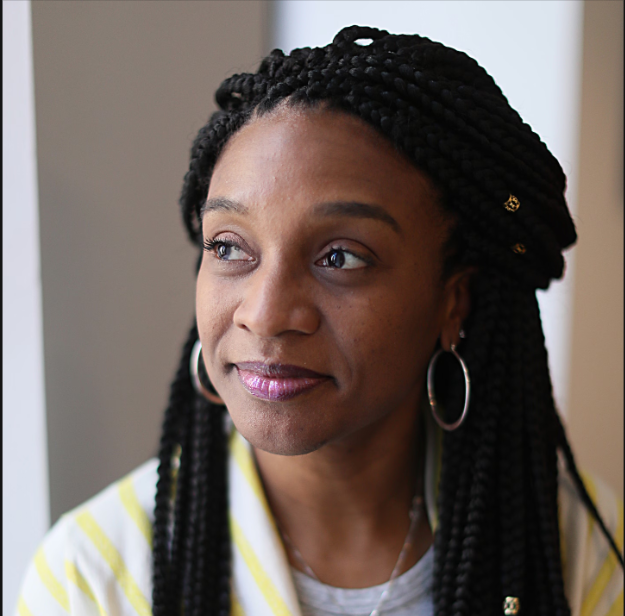
Akilah Johnson focuses on a different side of healthcare reporting: inequality within the healthcare system. Her stories often explore how race, income, and geography can influence health outcomes.
For example, she has reported extensively on maternal health in the United States, including why certain communities experience higher risks during pregnancy and childbirth. Instead of simply presenting statistics, she usually speaks directly with patients, doctors, and community leaders to show how these issues affect real people.
This kind of reporting has become increasingly important because healthcare disparities remain a major issue in many countries. By highlighting the lived experiences behind the data, Johnson’s work helps bring attention to problems that might otherwise stay hidden inside research papers or government reports.
4. Caitlin Owens — Axios

Caitlin Owens writes for Axios and is best known for her work on the Axios Vitals healthcare newsletter. Her coverage focuses heavily on the business side of healthcare.
Healthcare is not just about doctors and patients. It is also a massive industry involving pharmaceutical companies, hospital systems, insurers, and digital health startups. Owens often examines how these organizations operate and how financial decisions shape the healthcare landscape.
For example, she frequently covers topics like drug pricing, hospital consolidation, and healthcare mergers. These issues might seem technical, but they can have a big impact on patients. When hospitals merge or when drug companies adjust pricing strategies, those decisions eventually affect access to care.
5. Julie Rovner — KFF Health News
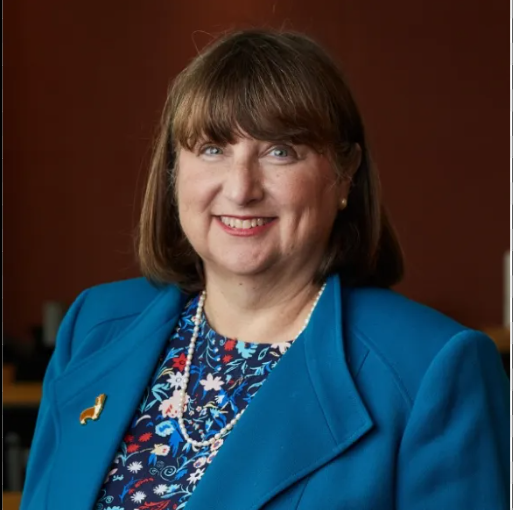
Julie Rovner has been covering healthcare policy for decades and is widely respected in the field. She previously worked as a healthcare correspondent for NPR and now serves as a senior correspondent for KFF Health News.
One reason many people follow Rovner’s work is her deep understanding of healthcare legislation. Policies related to healthcare reform can take years to develop and involve multiple government agencies. Rovner has covered many of these developments over long periods of time, which gives her reporting valuable historical context.
She also hosts the podcast “What the Health?”, where journalists and policy experts discuss the latest healthcare news each week. The discussions often break down complicated policy developments in a conversational way, making them easier to understand.
Final Thoughts
Healthcare is one of those industries where accurate information truly matters. Policies change, new treatments appear, and research constantly reshapes how doctors approach care. In the middle of all that, healthcare journalists help make sense of what is actually happening. They break down complex topics, question decisions made by large institutions, and explain how those changes affect everyday patients.
Following experienced reporters like Sarah Kliff, Rachel Roubein, Akilah Johnson, Caitlin Owens, and Julie Rovner can help you stay informed about the biggest healthcare developments. You can even pitch these experts to get your stories published in media sites
FAQs
1. Why should brands follow healthcare journalists in 2026?
Healthcare journalists shape many of the conversations around policy, medical innovation, and patient care. For companies in the healthcare industry, following these journalists helps identify trending topics and media opportunities. It also makes it easier to pitch expert insights that may lead to press coverage and high-authority editorial backlinks.
2. How can healthcare companies get quoted by healthcare journalists?
The best way to get quoted by healthcare journalists is to provide clear, expert insights on current healthcare topics. Journalists often look for medical experts, researchers, or industry professionals who can explain complex ideas in simple terms. Responding to media requests quickly and offering practical insights increases the chances of being featured.
3. What kind of stories do healthcare journalists usually look for?
Healthcare journalists often look for stories related to medical research, healthcare policy changes, public health trends, hospital innovations, and digital health technology. They are also interested in real patient experiences, expert analysis, and data-driven insights that help readers better understand changes happening within the healthcare industry.
4. Why are journalist mentions valuable for SEO and link building?
When journalists quote experts or reference companies in their articles, they often include editorial backlinks from trusted publications. These links can significantly improve a website’s authority and visibility in search results.
5. How can link building agencies work with healthcare journalists?
Link building agencies often monitor journalist requests, pitch expert sources, and help companies contribute insights to media stories. By connecting journalists, agencies help publications access credible sources while helping brands earn media mentions, editorial links, and stronger online authority through trusted publications.


.jpg)
.png)

