.png)
Most people still define earned media the old way — press mentions, news coverage, and publicity you didn’t pay for. That made sense when discovery mostly happened through Google results and traditional media outlets. But how people find brands today has changed a lot.
More decisions now start with AI answers and summaries instead of search clicks. AI systems don’t judge credibility like humans — they look for repeated recognition across trusted sources. That shifts earned media from simple exposure to consistent third-party validation.
In this article, we’ll cover what earned media means today and how brands should build earned media now.
What Earned Media Really Means?
When people first hear the term earned media, it can sound more technical than it really is. In simple words, earned media is the attention your brand gets from other people or publications — not because you paid for it, but because you gave something useful, interesting, or credible.
It’s when a journalist mentions you, a website quotes you, or an industry article includes your insights. You didn’t buy the spot. You earned it.
In the traditional PR world, earned media usually came from press outreach. Brands shared stories, research, or expert opinions with reporters and editors.
If the content added value, it got published. That’s why earned media has always carried more trust than advertising — the message comes from a third party, not from the brand itself.
It also helps to keep the three media types clear. Paid media is advertising — you pay and you appear. Owned media is what you control — your website, blog, and social channels. Earned media is different because you control neither the platform nor the message. Someone else chooses to feature you. That independence is what makes it powerful.
People consistently trust independent voices more than brand advertising. You can see the same pattern in the chart: recommendations from people they know and online opinions rank far above banner ads, mobile ads, and text ads in trust.
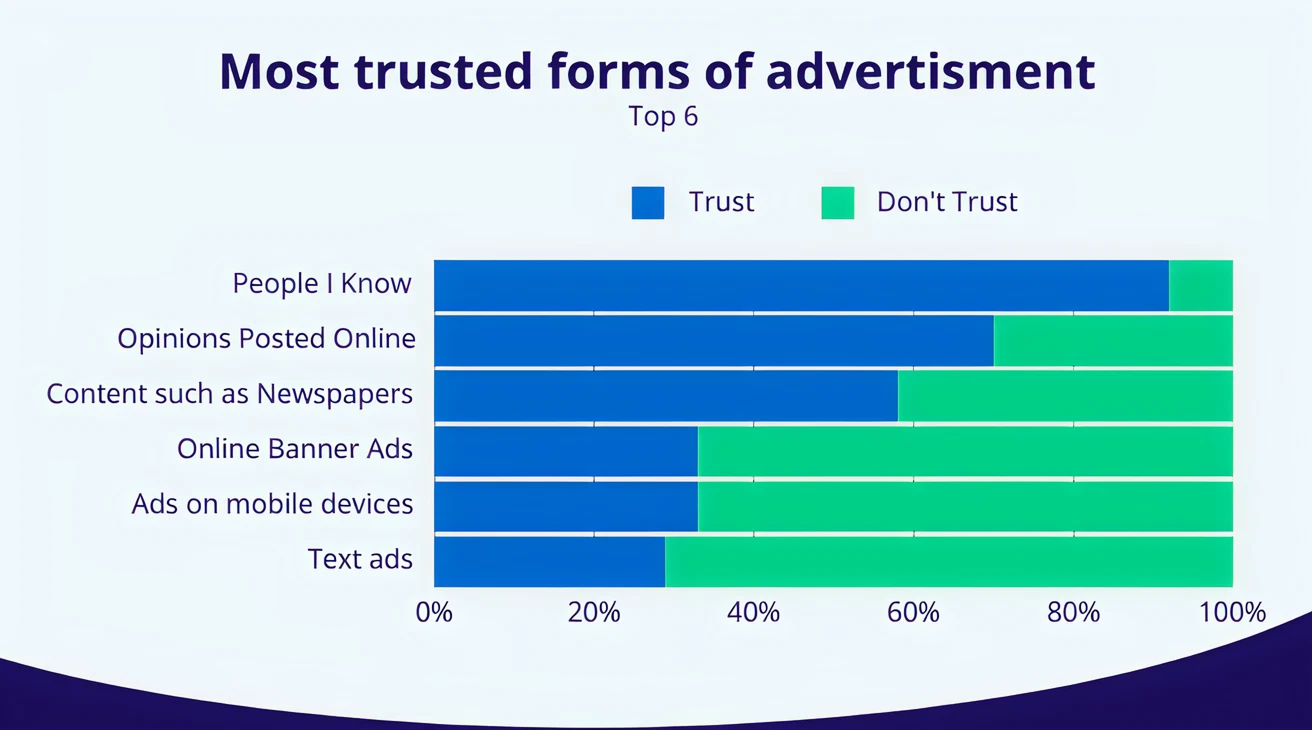
That means when someone else talks about your brand in a neutral, editorial setting, it carries more weight than anything you say about yourself. That’s exactly why earned media still matters so much.
How Brands Should Build Earned Media Now
Here are five ways to build earned media that actually works now.
Focus on Expert Contributions, Not Self-Promotion
Journalists and editors are not looking for brand ads — they’re looking for helpful insights. Instead of pitching your company, share your experience, practical tips, and real opinions. When your input genuinely helps explain a topic, you’re far more likely to be quoted or referenced. Useful expertise earns coverage naturally.
Respond to Journalist Requests Consistently
Reporter request platforms and expert query channels are one of the strongest earned media paths right now. Treat them like a weekly habit, not a one-off task. Short, clear, experience-based answers often get picked up. Over time, these small mentions add up across multiple trusted publications.
Target Listicles and Industry Roundups
“Best tools,” “top providers,” and expert roundup articles carry a lot of weight today. Readers use them to compare options, and AI systems often pull from them for summaries and recommendations. Try to be included where your category is being compared — not just where your brand is being described alone.
Bring Original Data or Real Examples
Writers love specifics. If you can share numbers, small studies, campaign results, or real case examples, your chances of getting featured increase. Original data makes your contribution more credible and more publishable than general opinions.
Choose Consistency Over One Big Feature
One major media mention feels exciting, but steady coverage across multiple respected sites is more valuable long term. Earned media now works like reputation building — repeated recognition builds stronger trust than a single spotlight moment.
Conclusion
Earned media isn’t just about getting one big press feature anymore. Today, it’s about showing up again and again in trusted places. When other sites quote you, include you in roundups, or mention your brand in useful articles, people trust it more. Because it’s not coming from you directly. That trust matters more than ads or paid placements.
If you want earned media for your brand, reach out today. We’ll help you get featured on Forbes, Business Insider, and many more!
FAQs
1. What is earned media in the AI era?
Earned media today goes beyond traditional unpaid publicity. It includes mentions, features, and discussions that appear naturally across websites, social media, newsletters, podcasts, and forums. These mentions build credibility, trust, and online visibility for your brand.
2. How does third-party validation impact brand visibility today?
When credible sources reference your brand, it signals expertise and reliability. These mentions increase your brand’s trustworthiness, help it get noticed, and make it more likely to be cited or referenced in summaries, articles, and discussions.
3. Why is structured content important for AI discoverability?
Structured content presents information clearly, with headings, data points, and proper attribution. This clarity makes it easier for systems and readers to understand, reference, and share your brand’s information effectively.
4. What types of earned media matter most now?
Traditional media coverage, user-generated content, podcasts, newsletters, and online forum mentions are all important. The key is authenticity and credibility, as genuine mentions carry more weight than paid or promotional content.
5. How can brands integrate earned media with other marketing efforts?
Brands can coordinate earned media with owned content (websites, blogs), shared content (social media), and paid campaigns. This integration strengthens the digital footprint, ensures consistent messaging, and maximizes visibility across multiple channels.