
When people ask questions online, AI tools often give direct answers instead of showing a list of links. These answers are based on information from credible sources, like news articles, expert quotes, and trusted websites.
Brands that get mentioned in the right places are more likely to appear in these AI-generated answers. Being quoted by journalists or featured in top media doesn’t just help your reputation, it also helps AI understand your brand as an expert.
In this blog, you’ll see how digital PR can shape AI overviews and LLM-generated answers.
1. Mentions in Trusted Media
Being mentioned in well-known news sites or industry blogs does more than build credibility — it actually helps AI systems notice your brand. AI tools that summarize content or answer questions rely on sources they trust. When your brand appears in respected media, it signals authority.
In fact, research shows that 47% of Google searches now show AI-generated results on the first screen, and 42% of ChatGPT users ask for shopping or brand recommendations.
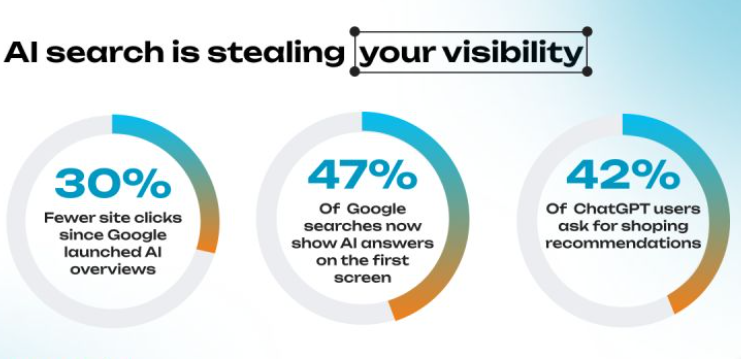
This shows how much AI relies on trusted sources to deliver answers that people see first. Being featured in top media isn’t just about human readers—it can directly influence which brands appear in AI responses.
Short, clear mentions in reputable outlets matter most. Even a small quote or insight can get picked up by AI, especially if it’s repeated across multiple articles. Random or obscure mentions don’t carry the same weight.
So focus your PR efforts on publications that matter. Each quality mention increases the chance your brand will show up in AI-powered answers, making your insights visible not just to readers, but to AI systems that summarize and present information online.
2. Expert Quotes and Insights
AI systems pay attention to what is said as much as where it’s said. Expert quotes in articles are often picked up as trusted information by AI, especially when they are clear and specific. One-sentence tips, examples, or statistics work best.
The AI search market is growing fast. In 2025, AI tools processed around 43% of all search queries, showing that AI-driven answers are becoming a major part of how people find information.
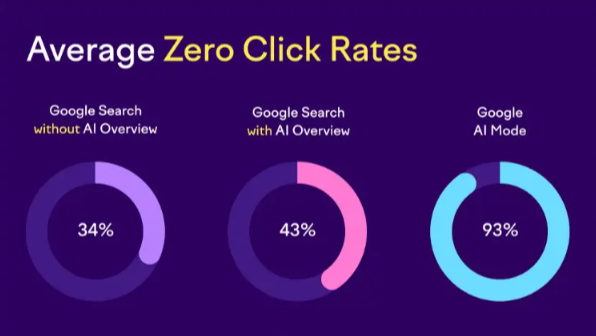
This growth means that expert quotes are now more valuable than ever—they help AI see your brand as an authority.
Rather than giving long marketing blurbs, focus on providing insights that are easy to understand and actionable. These kinds of quotes get noticed by journalists, and later, AI can reference them in answers to user questions.
3. High-Quality Backlinks from PR Coverage
Backlinks have always been important for SEO, but they also influence how AI sees your brand. When reputable websites link to your articles or mention your brand in a way that’s easy to verify, AI recognizes that your content comes from a trusted source. This makes your insights more likely to be included in AI-generated answers.
It’s not about getting as many links as possible — it’s about quality over quantity. Links from top-tier publications, industry blogs, or news outlets carry weight because AI treats these sources as reliable. Even a single well-placed backlink can help AI connect your brand with your area of expertise.
To make the most of this, focus on earning media coverage that naturally includes your brand, product, or expert insights. The more your brand appears on authoritative platforms, the more AI sees you as a credible voice. Over time, consistent coverage and backlinks build your reputation both with readers and AI systems, increasing the likelihood that your brand will appear in summaries and answer boxes across search and AI platforms.
4. Social Proof and Public Recognition
AI systems pay attention to signals of credibility, and public recognition is one of them. Awards, industry mentions, or influencer shout-outs all indicate that your brand is trustworthy. While AI doesn’t experience “social proof” the way humans do, it often relies on sources that show authority, reputation, and validation.
For example, if your brand is consistently recognized in reputable rankings, receives industry awards, or is mentioned by respected figures, AI systems are more likely to associate your brand with reliability in a particular topic. These signals reinforce the information that journalists and other publications provide about you.
The key is to actively pursue recognition and showcase it in places that AI can read, like press releases, online articles, and official award announcements. When your brand’s credibility is clear, AI is more likely to include your insights in overviews and answers, giving your brand extra visibility beyond traditional search or media channels.
5. Consistent Topic Focus
AI doesn’t look at one mention in isolation — it notices patterns. Brands that are mentioned repeatedly on the same topic are seen as experts. Random mentions across unrelated subjects don’t have the same impact.
Consistency matters. For example, if your brand frequently gives insights about digital marketing or SaaS tools, AI starts to associate your brand with that topic. When someone asks a question in that area, AI is more likely to reference your brand.
The AI-driven search market is massive, valued at over $43.63 billion globally in 2025, and is only expected to grow.
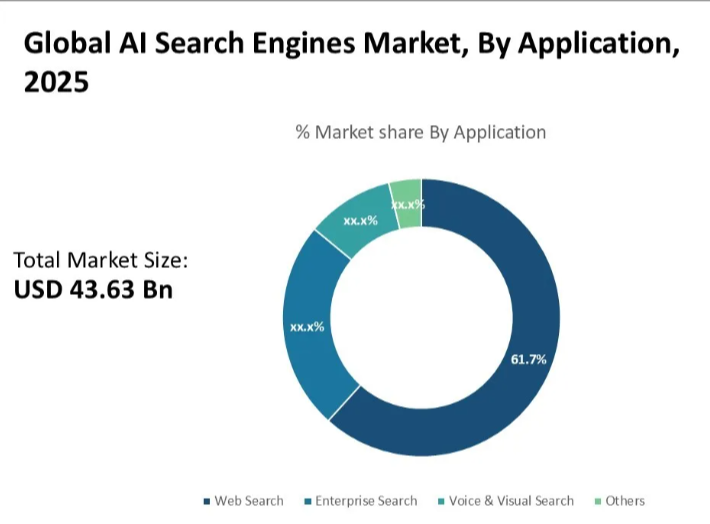
This makes pattern recognition in AI even more important for brand visibility.
For PR strategies, this means focusing on a few core topics and earning repeated coverage there. Each time your brand is mentioned in a related context, AI learns to link your name to that topic, improving your chances of appearing in AI-generated answers. Consistency builds authority, and authority drives visibility.
Final Take
Digital PR is making sure AI and language models recognize your expertise too. Every mention in a trusted publication, every expert quote, and every repeated insight in your topic helps AI understand who you are and what you know.
But focus on clarity, consistency, and value. Short, specific quotes, coverage in reputable media, and staying on topic all increase the chance that AI will include your brand in answers and overviews. Random mentions or vague statements won’t move the needle — AI favors sources that are clear and trustworthy.
FAQs
1. How does digital PR influence AI overviews?
Digital PR helps build trust and authority by securing mentions and links from high-quality, relevant publications. AI models often use these sources to generate concise summaries, making your brand more likely to appear in AI overviews.
2. Can HARO help my brand show up in AI-generated answers?
Yes. By responding to HARO queries and getting featured in authoritative publications, your insights become part of trusted sources that AI models reference, increasing your chances of appearing in AI summaries.
3. What types of content work best for AI recognition?
Content that is structured, concise, and data-driven performs best. Expert quotes, unique statistics, and clearly contextual information help AI models understand and cite your brand accurately.
4. How do I measure the impact of digital PR on AI visibility?
Track media mentions, backlinks, referral traffic, and monitor where your brand appears in AI overviews. Tools like Google Alerts or brand monitoring software can help evaluate effectiveness over time.
5. Why is targeting high-authority publications important for AI recognition?
AI and search engines treat mentions in respected outlets as trustworthy signals. Securing coverage in high-authority publications ensures your brand is more credible and more likely to be included in AI-generated answers.


.png)