



Somebody in your company is going to ask this question, probably right after seeing the invoice. What are we actually getting for this? And if your answer is “rankings take time” delivered with a hopeful shrug, the budget conversation next quarter gets harder.
But the ROI of link building is measurable, just not the way most reports pretend. It has a time lag, several return streams that don't show up in the same dashboard, and a few failure modes that turn the whole calculation negative before anyone notices.
This guide gives you a model you can actually defend… what to count as cost, what to count as return, and how long the math takes to turn in your favor.
Why Links Are Worth Paying For at All
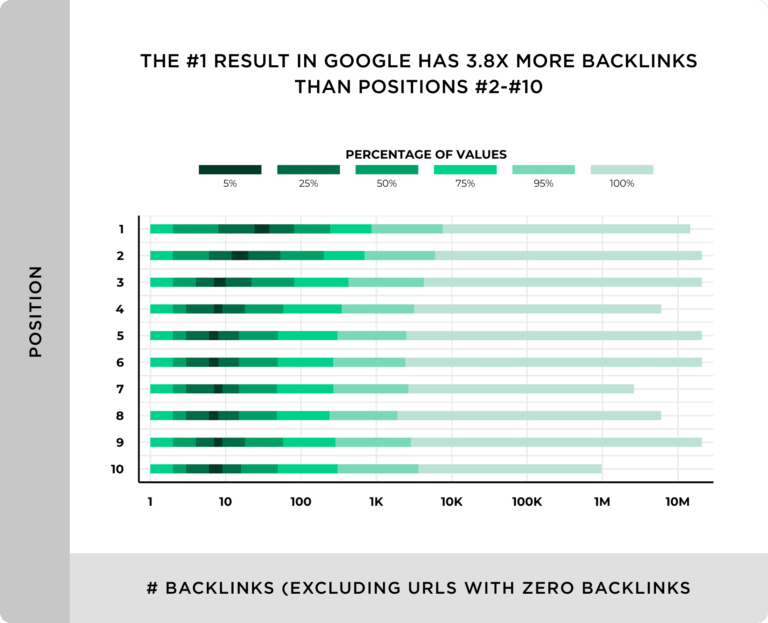
Start with the mechanism, because ROI arguments collapse without it. Links remain one of the strongest signals Google uses to decide which pages deserve visibility, and the gap at the top is dramatic. Backlinko's study of 11.8 million search results found the #1 result has 3.8 times more backlinks than positions 2 through 10.
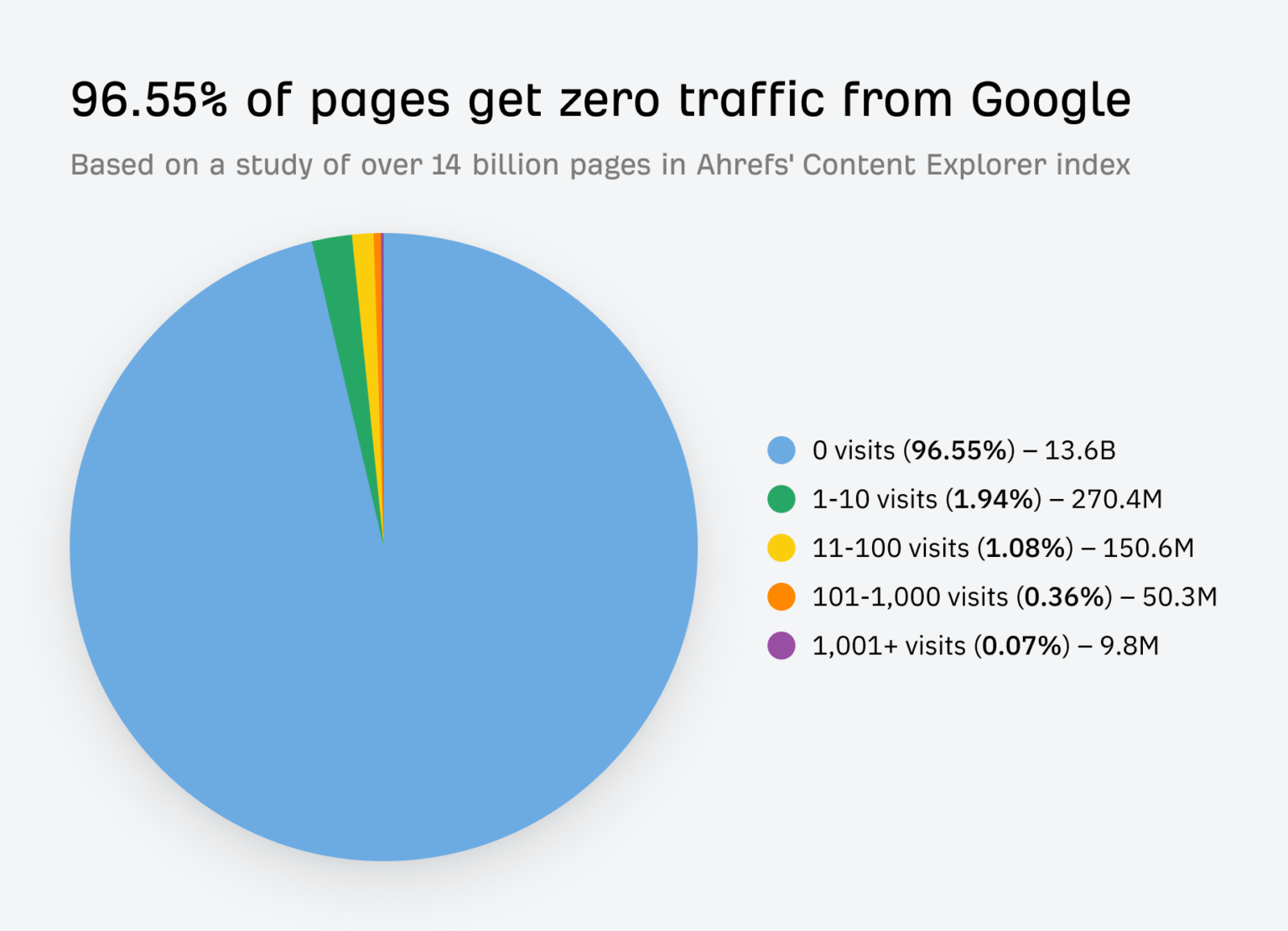
The other side of that coin is what happens without links. Ahrefs found 96.55% of them get zero traffic from Google, and a lack of backlinks is one of the main reasons.
Content without authority simply doesn't get seen, no matter how good it is. So the question was never whether links have value. It's whether your spending converts into that value efficiently, and that's where the model comes in.
Counting the Real Cost
The invoice is the visible cost. The full cost has four parts, and skipping any of them inflates your ROI on paper while your finance team slowly loses trust in the number.
First, direct spend. Agency fees, placement costs, or platform subscriptions.
Second, content cost, because links need somewhere worth pointing, and the linkable asset's production time belongs in this budget.
Third, internal time. Whoever briefs the agency, reviews the pitches, or writes the expert responses is spending salaried hours here.
Fourth, opportunity cost of bad links, the cleanup, the risk, and the wasted months when cheap placements produce nothing.
Add those honestly and a “$300 link” often turns out to cost $450, which matters, because the return side has to clear the real number, not the invoice number.
The Four Return Streams, and Where Each One Hides
Here are these four return streams.
- Ranking-driven revenue is the stream everyone models… links lift rankings, rankings lift organic traffic, traffic converts at your known rate, and each conversion carries a value. This is the core of the calculation, and it's genuinely computable: estimate the traffic value of the positions you're targeting using your keyword data, multiply by your conversion rate and customer value, and you have the primary return.
- Referral traffic hides in your analytics under the publication's name. A feature on a major site sends real readers, and for high-authority placements, those visitors often convert better than cold search traffic because the article pre-sold your credibility.
- Brand demand hides in branded search volume. People who read about you go looking for you, and branded searches convert at the highest rate of any channel. Watch this metric climb in the months after major placements and you're watching ROI that never gets credited to the link.
- AI visibility is the newest stream, and it's growing fastest. The mentions and citations that come with editorial links teach AI search systems which brands to recommend, which pays out in a channel your rank tracker can't see. That stream alone is reshaping how sophisticated teams justify this budget, and it rewards exactly the earned editorial placements that were already the highest-quality links available.
What Silently Destroys the ROI
Three mistakes account for most negative-ROI campaigns.
Buying low-quality volume is the first. Farm links cost less per unit and return nothing, so the denominator grows while the numerator doesn't. Pointing links at pages that can't convert is the second, since a ranking for a page with no commercial path is a vanity metric with an invoice attached. And giving up at month four is the third, because it pays all of the cost and collects none of the compounding.
The channel mix matters too. Earning placements through journalist queries costs time instead of cash, which changes the entire equation for smaller teams — the same budget that buys a handful of paid placements can fund a consistent expert-response operation earning links from publications money can't access.
Measuring It Without Fooling Yourself
Set the baseline before the campaign starts. Current rankings, organic traffic to target pages, branded search volume, and referring domains. Then review monthly against that baseline, not against last month's mood. Watch four numbers… target keyword positions, organic conversions from target pages, branded search growth, and links earned versus links lost.
Resist the two classic self-deceptions. Don't credit link building for growth that came from seasonality or a site-wide change, and don't blame it for a core update that hit everything at once. The baseline plus a little patience keeps the number honest, and an honest number is the only kind that survives a budget meeting.
Final Take
So, what is the ROI of link building? The answer depends on when you measure it. If you're looking for instant results, it can seem slow. But over time, link building becomes one of the most valuable investments you can make for your website. A single high-quality backlink doesn't just help improve rankings. It can bring referral traffic, strengthen your brand, attract new customers, and continue creating value for years.
That's why link building should be measured over the long term, not by what happens in the first few months. The businesses that get the best results focus on earning links from trusted, relevant websites and pointing those links toward pages that support real business goals. They understand that every quality backlink is an investment, not a one-time win.
FAQs
1. How long until link building shows ROI?
First ranking movements typically appear 60 to 90 days after quality links go live, with meaningful revenue impact building over two to four quarters. Break-even commonly lands between months six and twelve, and returns keep compounding afterward because earned links continue passing authority for years at no added cost.
2. What's a good ROI benchmark for link building?
There's no universal number, because it depends on your margins, keyword values, and competition. A useful internal benchmark: the campaign should be tracking toward break-even within a year and multiplying its cost over three. If your model can't plausibly reach that with honest inputs, fix the targets before spending more.
3. Is it cheaper to build links in-house or hire an agency?
In-house costs less in cash and more in time, and the hidden cost is the learning curve, since early mistakes waste months. Agencies cost more upfront and deliver faster if they're good. For many teams, the efficient split is in-house content and expertise paired with outside placement work.
4. Do HARO links have better ROI than paid placements?
Often, yes, because the input is time instead of cash and the output is editorial links from publications that don't sell placements at any price. The trade-off is unpredictability: you can't schedule which queries appear. Consistent, well-targeted responses over months are what turn the channel reliable.
5. How do I prove link building ROI to leadership?
Set a pre-campaign baseline, then report monthly on target rankings, organic conversions from target pages, branded search growth, and net links earned. Translate position gains into revenue using your own conversion data, and always present the timeline honestly. Leadership forgives slow. It doesn't forgive surprised.

.png)
.png)
.png)

