HARO links are often seen as some of the most valuable backlinks in SEO because they come from real editorial coverage in trusted publications. But one question always comes up: do these links stay live long-term, or do they eventually get removed or lost?
The answer isn’t as simple as yes or no. Some HARO links remain active for years, while others disappear due to updates, deletions, or site changes. Understanding why this happens is important if you’re building backlinks as part of a long-term SEO strategy.
In this blog, we’ll share how HARO links are created, how long they typically last, and what you can do to make sure your backlinks stay live for as long as possible.
How HARO Links Are Created
HARO links come from competitive processes built around real journalist requests. HARO (Help a Reporter Out) connects journalists who need expert input with people who can provide it. When a journalist is writing an article and needs quotes, insights, or data, they publish a request describing exactly what they’re looking for. These requests are then sent out to a large pool of subscribers.
On the other side, experts, marketers, founders, and agencies scan these queries and respond with relevant pitches. This is where the real work begins. A strong HARO response is not just a random opinion. It’s a well-structured answer that directly addresses the journalist’s question, adds unique insight, and often includes a short author bio with credentials or experience to build credibility.
If the journalist finds the response valuable, they include it in their article. Along with the quote, they usually add a backlink to the source website or author profile. This is how a HARO link is born — it’s essentially an editorial backlink given in exchange for useful expert input.
What makes this process different from other link-building methods is that the journalist has full control. There’s no payment involved for placement, and no guarantee of inclusion. Everything depends on relevance, clarity, and how well the response fits the article. Because of this, only a small percentage of pitches actually get picked up.
Once published, the link appears naturally within the article, often as a citation or reference to the expert’s website. This editorial nature is what gives HARO links their authority and SEO value.
Do HARO Links Usually Stay Permanent?
In most cases, HARO links tend to stay live for a long time, especially when they appear on reputable, high-authority publications. Since these links are part of editorial content, they are not placed as temporary or promotional backlinks. Instead, they are embedded naturally within articles as expert citations, which makes them more stable compared to paid or guest post links.
However, “permanent” doesn’t always mean forever. While many HARO links remain active for years, their lifespan ultimately depends on the publisher’s content strategy. Established media sites and niche blogs often keep articles published indefinitely, especially if the content is evergreen and continues to attract traffic. In these cases, your link can stay intact for a very long time without any changes.
That said, there are situations where even good HARO links can disappear. Publishers sometimes update or consolidate old articles, especially if the content becomes outdated or overlaps with newer posts. In some cases, websites undergo redesigns, domain migrations, or content pruning, which can lead to pages being removed or archived. If that page is taken down, the backlink goes with it.
Another factor is the type of content your link is placed in. Links inside evergreen, informational articles are more likely to last compared to news-style pieces that are frequently updated or replaced. The stability of the publication itself also plays a big role—smaller or less established sites are more likely to restructure or remove older content over time.
Factors That Affect Link Longevity
HARO links don’t all behave the same over time. Some stay live for years, while others disappear due to changes on the publisher’s side. Here are the main factors that influence how long they last.
1. Authority and Size of the Publication
High-authority media sites and established publications usually maintain their content more carefully. Their articles often continue generating traffic, so they have little reason to remove or prune them. Smaller blogs or newer sites may not have the same content strategy, making link removal or restructuring more common.
Larger publishers also have editorial teams that review content less aggressively for deletion and focus more on updates. This stability makes links from top-tier sites far more durable over time.
2. Type of Content (Evergreen vs News-Based)
Evergreen content like guides, expert roundups, and educational articles tends to stay online for a long time. These pieces are designed to remain useful over months or years. News-style or time-sensitive articles are more likely to be updated, replaced, or archived, which can affect link stability. Evergreen content also continues attracting search traffic, which encourages publishers to keep it live. In contrast, trending or breaking-news pieces lose relevance quickly, increasing the chance of edits or removal.
Large-scale backlink research supports this pattern. A study shows over 2.3 billion backlinks found that around 33.5% remain active overall, while 71.2% of links are eventually lost over time, with an average lifespan of about 18.4 months for news and media links.
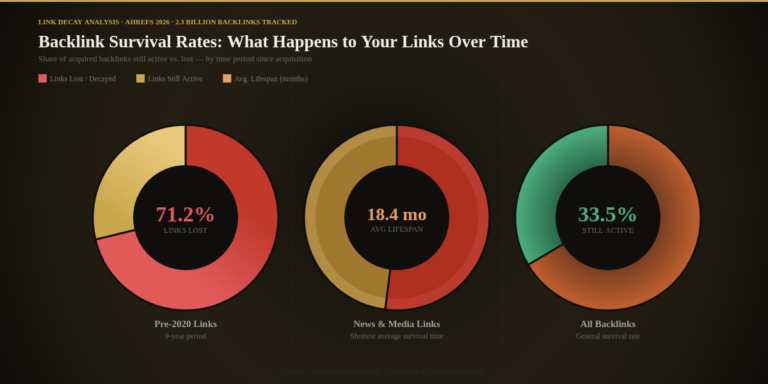
This shows why evergreen placements tend to hold value longer compared to time-sensitive content.
3. Content Updates and SEO Maintenance
Many publishers regularly update old posts to improve SEO, fix outdated information, or consolidate similar articles. During these updates, sections may be rewritten or removed entirely. In some cases, the page may be redirected, which can result in the loss or replacement of HARO links.
Some sites also merge multiple articles into one stronger piece, which often leads to backlinks being dropped. These ongoing optimizations are common in competitive niches focused on search rankings.
4. Relevance of the Expert Quote
If the quoted insight becomes outdated or less relevant over time, editors may remove it during content refreshes. Strong, evergreen insights are more likely to remain untouched compared to highly time-sensitive comments.
For example, stats, tools, or trends that change quickly are often replaced with newer information. Quotes that are general, insightful, and non-time-specific have a higher chance of staying intact because they continue to add value even as the article evolves.
5. Website Changes and Technical Shifts
Major changes like redesigns, domain migrations, or content restructuring can impact existing backlinks. Even valuable HARO links may be lost if pages are deleted, URLs change, or content is reorganized during site updates.
Sometimes entire sections of a website are archived or moved into different categories, breaking old link structures. While these changes are not always frequent, when they do happen, they can affect even the most authoritative HARO placements without warning.
How to Maximize Link Retention
Getting a HARO link is only half the game. Keeping it live for as long as possible depends on how useful and “safe” your contribution looks to editors over time. A few smart practices can significantly improve link longevity.
Provide Evergreen, Timeless Insights
The more timeless your input, the less reason editors have to remove it later. Avoid highly specific trends or short-term data. Instead, focus on general principles, frameworks, or expert opinions that stay relevant even as the industry changes. Evergreen contributions are far more likely to remain untouched during future content updates.
Target High-Authority Publications
Links from established media outlets tend to last longer. These publishers rarely delete pages unless absolutely necessary, which makes your links more secure.
Make Your Quote Valuable and Contextual
Editors are less likely to remove contributions that genuinely improve the article. A strong answer should be clear, specific, and directly helpful to the topic. If your input adds real editorial value, it becomes part of the article’s core structure rather than a filler section that can be removed later.
Avoid Overly Promotional or Irrelevant Inputs
If a quote feels promotional or loosely connected to the topic, it’s more likely to be edited out during updates. Journalists aim to maintain credibility, so anything that feels forced or irrelevant is at higher risk of removal. Keeping your response focused and clean helps ensure it stays relevant over time.
Monitor and Reclaim Lost Links
Even strong HARO links can disappear due to updates or restructuring. Regular backlink monitoring helps you identify losses early so you can reach out to publishers for restoration or replacement. Many SEO teams recover a portion of lost links simply by tracking them consistently and following up when changes occur.
Wrapping Up
HARO links are generally strong long-term assets, but they are not guaranteed to stay live forever. Most links from reputable publications remain active for years, especially when placed in evergreen content. However, factors like site updates, content pruning, and editorial changes can still lead to link loss over time.
And if you need help getting links that stay longer, contact us today.
FAQs
1. Do HARO links really last long-term?
Yes, most HARO links stay live for years because they are part of published articles on reputable websites. While a few may be removed due to website updates, the majority provide lasting SEO value.
2. Are HARO links dofollow or nofollow?
HARO links can be either dofollow or nofollow. Dofollow links pass SEO value, while nofollow links still provide traffic, brand visibility, and trust, making both valuable.
3. Can HARO links be removed?
Although rare, HARO links can be removed if a publisher deletes or updates an article. However, because these links are editorial and earned, they are far less likely to disappear than purchased links.
4. How do HARO links compare to guest post links?
HARO links are generally more stable and appear on high-authority sites, while guest post links can be removed more easily and may appear on lower-quality websites.
5. How can I make my HARO links last longer?
Provide clear, useful insights, focus on reputable publications, track your placements, and respond consistently to queries. These practices increase the likelihood of earning long-lasting editorial backlinks.

.png)