



More and more people are turning to ChatGPT, Gemini, and Perplexity to get quick answers, product recommendations, and insights before making decisions. Many brands are invisible in these answers. Because they’re unable to prove their expertise. So how can brands build that authority, so they get cited by ChatGPT, Gemini, and other LLM models?
Let’s discuss.
How AI Models Discover and Cite Brands
AI‑powered tools are becoming a major part of how people find answers online. Today, about 47% of Google searches show AI‑generated results right on the first screen, and many users now prefer asking AI tools instead of scrolling through links.
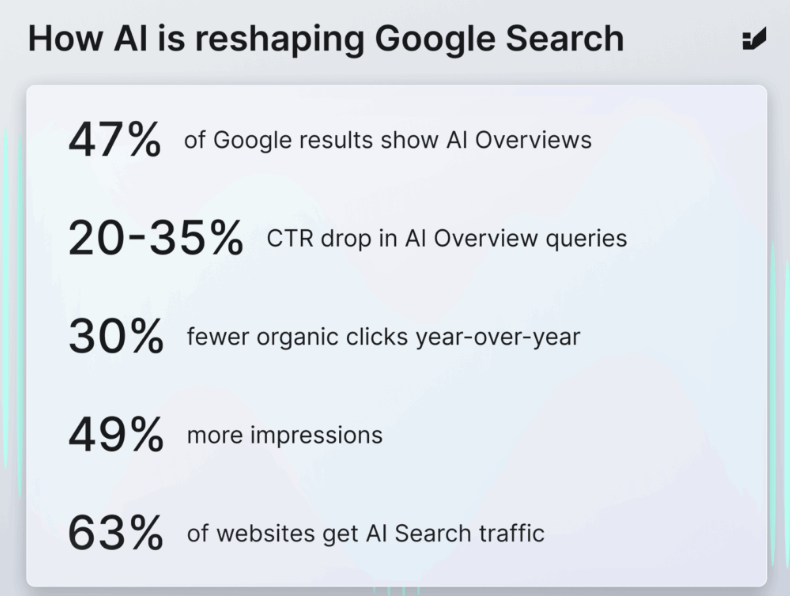
Because of this shift, how AI discovers and cites brands matters more than ever.
For your brand to show up in tools like ChatGPT, Gemini, or Perplexity, it needs to be visible in places these platforms trust. AI models lean on credible websites, respected publications, and well‑organized content to pick which sources to include in their answers.
Simply having a webpage isn’t enough; the content needs to be clear, accurate, and easy for machines to understand.
Getting featured in trusted media outlets, industry blogs, and directories makes a big difference. But it’s not only about being mentioned — it’s about how your content is written and structured. AI reads headings, bullet points, short paragraphs, facts, and direct answers much better than long, vague blocks of text. When your content answers common questions simply and directly, AI is more likely to recognize it as a reliable source.
Key Strategies for Brand Citation
Here are some key strategies.
1. Get Featured in Trusted Media
One of the most effective ways for your brand to be cited by AI tools and language models is to appear in reputable publications. AI systems prioritize content from sources they already trust, so being featured in top news outlets, industry blogs, or directories boosts your credibility.
It’s not enough to just get mentioned — the context and clarity of the coverage matter. Short, specific quotes and clear explanations in articles make it easier for AI to identify and cite your brand. Repeated coverage across multiple respected sources strengthens the association further.
2. Provide Expert Quotes and Insights
AI loves content that is clear, factual, and specific, and expert quotes are a perfect fit. When a journalist or blogger includes a concise quote from your team, AI can use it as a reliable reference in answers.
The best quotes are short, easy to read, and directly address common questions or trends in your industry. Avoid long, marketing-heavy language — AI systems tend to ignore vague or overly promotional content.
By providing actionable, insightful statements, you increase the chance that both human readers and AI recognize your expertise. Over time, these expert quotes help your brand become a trusted source across AI tools and search engines.
3. Focus on Consistent Topics
Repetition builds authority. If your brand consistently contributes insights on the same topic across multiple platforms, AI starts to associate your brand with that subject. One-off mentions in unrelated areas won’t have the same impact.
For example, a brand regularly sharing expert opinions on digital marketing, SaaS growth, or small business trends will be seen as a go-to source in those areas.
The more consistently you’re featured in a specific niche, the more likely AI is to reference your brand in related queries. This strategy works because AI learns patterns over time, rewarding brands that demonstrate expertise repeatedly.
4. Build High-Quality Backlinks
Backlinks remain one of the strongest indicators of credibility. Even 58% of experts believe backlinks have a high impact on their sites.
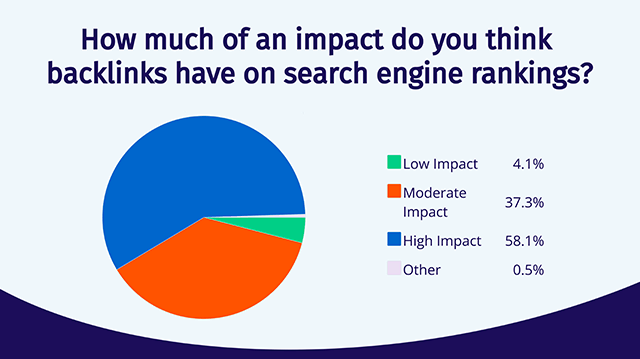
AI systems notice when trusted websites link to your content, which reinforces your authority. Links from respected media outlets or influential blogs signal that your information is reliable.
The quality of backlinks is far more important than quantity. One link from a top-tier publication can carry more weight than dozens from obscure sites. High-quality backlinks not only help AI identify your brand as trustworthy but also improve human credibility.
When planning PR campaigns, prioritize opportunities that naturally include backlinks to your content. Over time, these links strengthen your brand’s presence in AI-generated answers.
5. Highlight Social Proof and Recognition
Awards, industry recognitions, and influencer mentions aren’t just for humans — they influence AI too. When your brand is recognized publicly or mentioned by credible figures, AI treats these signals as indicators of authority.
Even small recognitions, if consistent, add credibility. AI tools often scan content for evidence that a source is trustworthy, and mentions of awards or recognitions act as proof points.
Sharing these in press releases, articles, or public profiles ensures AI can see and cite your credibility. Combined with expert quotes and media mentions, social proof strengthens your overall presence in AI-powered responses.
6. Publish Original Research and Data
Original research, reports, and surveys provide content that AI loves to cite. Data-driven insights are factual, verifiable, and easy for AI to understand. When journalists or blogs reference your research, AI can pull those references directly into answers.
Short summaries, clear visuals, and concise takeaways make your research more readable for both humans and AI. This positions your brand as a thought leader and increases the likelihood that AI includes your insights in answers. Over time, regularly publishing original data ensures your brand becomes a trusted resource for both content creators and AI tools.
7. Optimize Mentions for AI Recognition
The way your brand is mentioned matters. AI favors mentions that are clear, direct, and structured. Use simple language, avoid jargon, and make sure your expertise is obvious. Bullet points, headings, and short paragraphs make it easier for AI to identify your brand and the value you provide.
When responding to HARO queries or pitching content, structure your quotes and insights in a way that’s easy to parse. Over time, optimized mentions combined with media coverage, expert quotes, and consistent topics help AI recognize your brand as a reliable source, increasing the chances your expertise is included in overviews and answers.
Conclusion
Getting your brand noticed by AI tools and language models is being in trusted media, sharing clear insights, staying focused on your main topics, and giving useful information people can trust. Backlinks, mentions, and showing awards or recognition all help AI see your brand as reliable.
By using these simple steps, your brand becomes a source that both AI and people can count on. This helps your expertise get noticed, makes sure your brand shows up in AI answers, and strengthens your presence.
FAQs
1. How does AI choose which brands to cite?
AI looks for trusted sources like news outlets, industry blogs, and expert websites. Brands that appear in credible media, provide clear insights, and are consistently mentioned are more likely to be recognized and cited in AI-generated answers.
2. Why are expert quotes important for AI?
Short, clear quotes help AI understand your brand as an authority. AI favors statements that are factual, specific, and easy to include in answers. Well-written expert quotes increase your chance of appearing in AI summaries and LLM-generated responses.
3. Do backlinks help AI recognize a brand?
Yes. Backlinks from reputable sites signal credibility to AI systems. High-quality links show that other trusted sources rely on your content, making it more likely for AI tools to cite your brand in answers and overviews.
4. How does consistency affect AI citations?
Brands that consistently share insights on the same topic are more likely to be associated with that area by AI. Repeated mentions across articles and media help AI see your brand as an expert, increasing the chance it will reference you in answers.
5. Can original research improve AI recognition?
Absolutely. Publishing surveys, reports, or data-driven content gives AI concrete facts to reference. Well-structured, clear research is easy for AI to understand and cite, positioning your brand as a reliable source for accurate information.

.png)


