Both proposals arrive with a fee, a list of target websites, and the promise of coverage. One agency says it will pitch your expertise to journalists. Another offers a confirmed placement with your chosen anchor text. From the budget spreadsheet, the services appear similar. From the publisher’s side, they could operate very differently.
Understanding the placement process helps you ask better questions before signing. The key details are who receives payment, who decides whether the link belongs, and what the contract actually guarantees. Those answers determine what you are purchasing and how honestly you can describe the result.
Agency Fees and Publisher Fees Buy Different Things
When you hire an outreach agency to pursue editorial backlinks, you pay for work such as opportunity research, expert interviews, drafting, coordination, and reporting. The journalist still decides whether your contribution improves the story and whether a link is appropriate. Paying for the work does not automatically make the resulting citation a paid publisher placement.
When payment is exchanged with a publisher for an article or hyperlink, the commercial arrangement is different. You are purchasing agreed exposure, subject to the contract and the publication’s rules. Ask whether any intermediary passes a fee to the publisher, even when your invoice describes the service as outreach.
The label alone proves little. A retainer, a per-placement fee, or a “digital PR” package can each conceal different methods. You need an explanation of the actual transaction behind the promised result.
Understand What Genuine Editorial Review Changes
Independent selection gives a journalist room to reject the contribution, shorten the quote, request evidence, or choose another source. Your role is to provide accurate information that serves the story. That loss of placement control is part of the editorial process, not evidence that the agency has failed to negotiate properly.
For editorial backlinks, the link should have a clear reason to exist beyond fulfilling your order. It could identify the quoted expert’s business or direct readers to the resource supporting a claim. An editor should be able to explain its relevance to the article.
Reviewing source credibility helps you understand what your contribution must earn. A useful answer and verifiable experience support that decision. Neither entitles you to publication, a particular anchor, or a chosen URL.
Know Google’s Rules for Links Sold for Rankings
Google’s spam policies identify buying or selling links for ranking purposes as link spam. Paid advertising and sponsorship are permitted when links are appropriately qualified, such as with rel="sponsored" or nofollow. A commercial payment is not itself a reason to hide the arrangement or demand an unqualified link.
This gives you a useful distinction when assessing a proposal. Paying a team to earn independent coverage differs from paying a publisher to place a ranking-oriented link. Calling the latter “editorial” does not change the underlying arrangement.
Ask the agency to explain its risk assessment in terms of methods and evidence. Broad promises of complete safety offer less information than a clear statement about publisher payments, editorial selection, and link attributes.
Evaluate Credibility and Reader Value Separately
Editorial backlinks can accompany an independent decision that your expertise belongs in a story. That provides a useful piece of public evidence for someone assessing your business. The strength of that evidence depends on the article’s relevance and the publisher’s standards, not merely its appearance on another domain.
Purchased coverage can still explain a product, introduce a service, or reach interested readers when clearly presented. Assess it using the objectives of the purchase: suitable exposure, referral visits, enquiries, or another agreed outcome. Do not report it as independent endorsement if the placement was bought.
Read the finished page from the customer’s perspective. Does it answer a useful question and accurately represent your company? A technically live link inside an irrelevant article gives you little reason to expect meaningful business value, whatever the payment model.
Ask What Happens After the Article Goes Live
Neither earned nor purchased coverage comes with automatic permanence. Publishers update stories, change attribution policies, reorganise websites, and remove material. A paid contract may provide a retention period or remedy, while an independently selected citation usually follows the publication’s ongoing editorial judgement.
Ask what monitoring is included and what qualifies for correction or replacement. Distinguish a broken destination you control from a legitimate publisher edit. Also establish whether a replacement must meet the original relevance and quality criteria or can come from any available website.
Keep records of the live article, destination, and agreed terms. This makes later discussions specific and prevents “lifetime link” language from doing the work that a clear, enforceable service agreement should do.
Read the Proposal for Evidence of the Work
A credible proposal for editorial backlinks should explain who develops the source material, how opportunities are selected, and how the expert approves attributed claims. It should define reporting categories for published mentions, linked placements, and pending opportunities. Those details show how the team intends to produce the outcome.
Ask direct questions about guarantees. A per-placement agency can take responsibility for its fee structure without owning a publisher’s editorial decision. If it guarantees a particular website, anchor, and publication date, ask how that control is obtained and whether publisher payment is involved.
Judge the answer on its substance. A transparent commercial placement may suit one objective; an earned-media campaign may suit another. Ambiguity about what you are buying makes both harder to evaluate.
Buy a Process You Can Understand
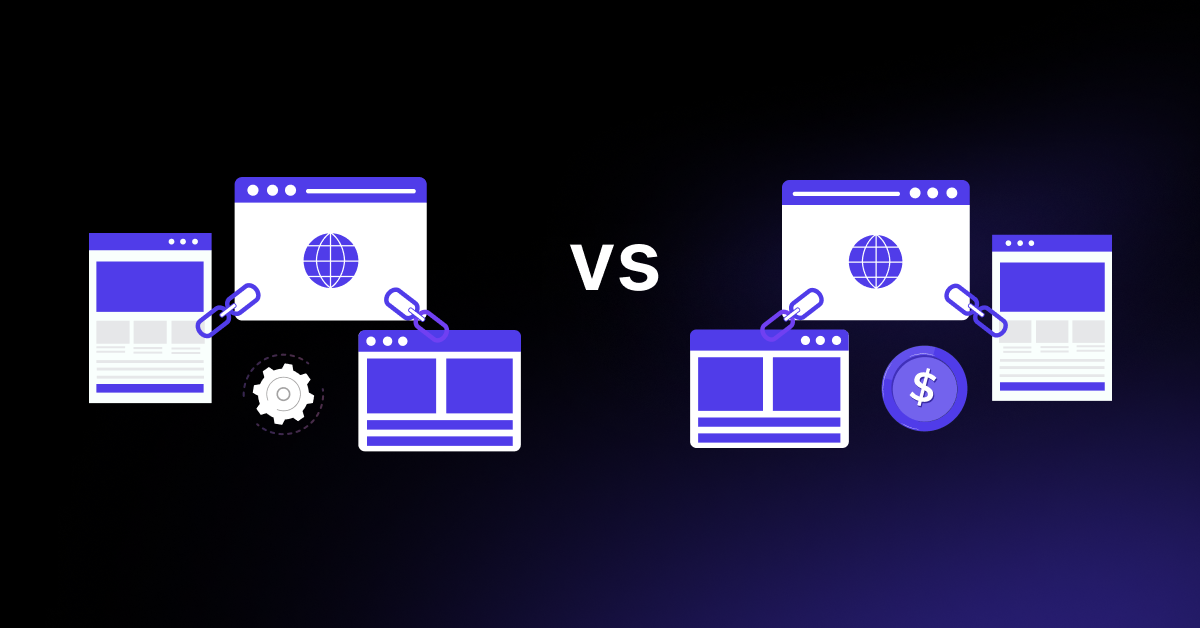
When comparing editorial backlinks vs paid links, the main difference is what you are actually paying for. Paid links usually give you direct placement, while editorial backlinks require the work needed to earn a natural mention from a relevant publication.
Both can put your website in front of new audiences, but editorial links usually offer stronger long-term value because they are based on relevance, trust, and genuine editorial approval. Instead of focusing only on getting more backlinks, focus on links that make sense for your website, brand, and audience.
FAQs
1. Does Paying an Agency Make Every Result a Paid Link?
No. An agency fee can fund research, writing, and coordination while a publisher independently selects the contribution. Ask whether any payment is exchanged for the publisher’s placement so you understand the actual arrangement.
2. Are All Paid Placements Against Google’s Rules?
No. Advertising and sponsorship have legitimate uses when links are appropriately qualified. The concern here is purchasing links intended to manipulate rankings, not the mere existence of a commercial publishing relationship.
3. Can You Choose the Anchor Text in Earned Coverage?
You can provide accurate names and useful URLs, but the publication controls its wording. Insisting on a commercial keyword anchor can conflict with the attribution the journalist considers appropriate for readers.
4. Does a Per-Link Fee Prove the Publisher Was Paid?
No. It describes how the agency charges you, not necessarily how it secures coverage. Ask about publisher payments and editorial selection instead of inferring the method from the invoice format alone.
5. Which Type of Placement Lasts Longer?
There is no universal answer. Examine the publisher’s practices, the usefulness of the article, and any contractual retention terms. Keep monitoring either type because published material can change after the initial delivery.