
Media coverage is really important for e-commerce brands. But knowing where to start isn’t always easy. HARO (Help a Reporter Out) connects businesses with journalists looking for expert insights, opening the door to media mentions, backlinks, and more visibility. However, not every query is worth your time. Some opportunities deliver real results, while others don’t.
In this guide, we’ll show what works, what doesn’t, and how e-commerce brands can use HARO effectively to make each pitch count and gain maximum value from media exposure.
Why HARO Is Best for E-Commerce Brands
HARO is one of the most cost-effective ways for e-commerce brands to gain media attention and build authority online. Unlike traditional PR campaigns, which can be expensive and time-consuming, HARO connects brands directly with journalists who are actively looking for expert insights. This means your responses have a real chance of being featured in reputable publications, giving your brand credibility and visibility.
For e-commerce businesses, media mentions often translate into more than just backlinks — they can increase trust, drive traffic, and even boost sales. When a journalist quotes your brand or links to your website, it signals to potential customers that your business is trustworthy and authoritative.
HARO also allows you to leverage your unique expertise. Whether it’s insights about online shopping trends, product data, or industry best practices, your knowledge can make a journalist’s story stronger and position your brand as a thought leader in your niche.
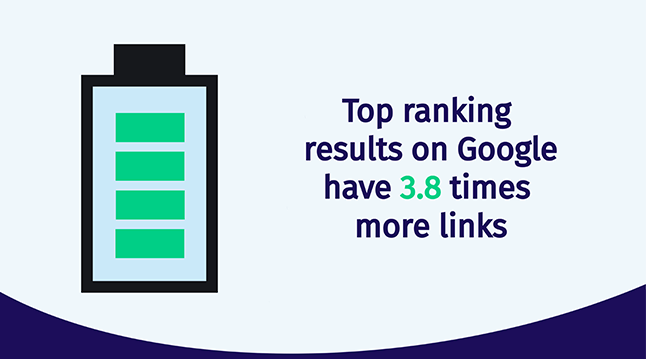
By using HARO strategically, e‑commerce brands can build links, attract new customers, and stand out. And surprisingly, backlinks play a major role in SEO. Top Google results on average have about 3.8 × more backlinks than pages ranked lower in search results, showing how much links correlate with visibility.
Source: Adam Connell
Websites with backlinks from many referring domains also tend to get significantly more organic traffic than sites with few links.
What Works: Best Practices for E-Commerce Brands
Here’s what works.
Focus on Relevant Queries
Not every HARO query is worth your time. E-commerce brands should only respond to queries that match their niche or product expertise.
For example, if your store sells sustainable home products, focus on queries about eco-friendly trends, online shopping habits, or product innovations. Responding to relevant queries increases the chances of being featured in credible publications, ensuring backlinks and exposure actually bring value to your brand and SEO.
Provide Data and Unique Insights
Journalists value information they can’t find elsewhere. Share data from your store, like sales trends, customer behavior, or product insights, to make your response stand out.
For example, mentioning that “customers who use Feature X see a 20% higher repeat purchase rate” gives journalists a concrete quote they can include. Unique, data-driven insights make your pitch credible, increase your chances of being quoted, and earn authoritative backlinks for your e-commerce site.
Keep Responses Clear and Concise
Journalists receive hundreds of HARO responses daily, so clarity matters. Write short, structured answers that quickly address the query. Use bullet points or short paragraphs for readability.
Avoid fluff or overly promotional language — your goal is to help the journalist, not sell your products. Concise, useful responses are more likely to be featured and quoted, which leads to better backlinks and visibility for your brand.
Respond Quickly
Speed is key on HARO. Journalists often have tight deadlines, and early responses are more likely to get noticed. Set aside time each day to review queries and respond promptly.
Timely replies show reliability and professionalism, making it more likely that journalists will feature your insights. For e-commerce brands, fast responses can mean the difference between getting a valuable backlink or missing the opportunity entirely.
Include a Subtle Link for Context
While HARO discourages aggressive self-promotion, including a subtle link to your website, product page, or relevant case study adds context for the journalist.
For example, if you reference a study or data from your e-commerce store, link to a blog or landing page where they can verify the numbers. This boosts your SEO through high-quality backlinks and also drives traffic from readers interested in learning more about your brand.
What Doesn’t Work: Common Mistakes to Avoid
Here are some common mistakes to avoid.
Responding to Every Query
Many e-commerce brands make the mistake of replying to every HARO query they see. While it may seem like casting a wide net, this approach rarely works. Journalists spot generic or irrelevant responses, and your pitch can get ignored. Instead, focus only on queries that align with your niche or where your expertise adds real value.
By being selective, you save time, increase your chances of being featured, and ensure that each backlink you earn comes from a relevant and high-quality source.
Sending Generic or Promotional Pitches
HARO responses that feel like advertisements almost never get featured. Journalists want insight, data, or unique perspectives, not a sales pitch. Avoid using overly promotional language or simply linking to your product. Also, don’t use AI for HARO queries.
Instead, provide actionable insights, real data, or case study examples.
For example, sharing customer trends or product impact is far more compelling than saying, “Buy our product.” Generic or self-serving responses reduce your credibility and waste opportunities for backlinks, media mentions, and brand authority.
Ignoring Deadlines or Incomplete Responses
Timing matters more than most brands realize. HARO queries come with strict deadlines, and missing them usually means your response won’t be considered.
Similarly, incomplete responses — like not answering all parts of the question or leaving out credentials — can reduce your chances of being featured. For e-commerce brands, consistently missing deadlines or sending partial responses signals unreliability.
To avoid this, prioritize speed, double-check your answers, and ensure your pitch includes all necessary details, such as your name, role, and relevant links.
Conclusion
HARO can help e-commerce brands get mentioned in the media and earn backlinks, but it works best when you focus on the right queries. Answer quickly, give clear and useful information, and avoid generic or incomplete responses.
Doing this regularly can improve your brand’s credibility, bring more visitors to your store, and help you stand out online.
We’ve been using HARO for the last 4 years and have featured our clients on top media sites. If you need help getting featured, contact us today.
FAQs
1. What is HARO, and how can it help e-commerce brands?
HARO (Help a Reporter Out) connects journalists with experts and professionals. E-commerce brands can use it to earn high-authority backlinks, boost SEO, and gain credibility by being quoted in top publications.
2. How do I write an effective HARO pitch for my e-commerce business?
Keep your pitch concise, relevant, and value-driven. Include a brief introduction, direct answer, real example, and contact information. Avoid salesy language or generic responses.
3. Which HARO queries should e-commerce brands respond to?
Focus on queries that align with your niche, such as retail trends, digital marketing, customer experience, logistics, or specific product categories. Relevance improves your chances of being featured.
4. How long does it take to see results from HARO backlinks?
It varies, but consistent, high-quality responses can lead to published mentions within days or weeks. SEO and traffic benefits often grow over time as your brand earns more backlinks.
5. Are there common mistakes e-commerce brands should avoid on HARO?
Yes. Avoid irrelevant or generic answers, slow responses, demanding backlinks, overtly promotional pitches, AI-generated content, and inconsistency. Focusing on expertise and timely, valuable responses works best.